

Cervical Health Awareness Month
Your Shield Against Cervical Cancer
For many women, the term “Pap smear” might evoke a mix of curiosity and uncertainty. However, understanding the importance of this simple test can empower you to take charge of your reproductive health.
What is a Pap Smear?
A Pap test, is a routine screening procedure used to detect any abnormal changes in the cells of the cervix, the lower part of the uterus.
Why is it crucial?
1. Early Detection Saves Lives: Cervical cancer develops slowly and the Pap smear is designed to catch these changes to prevent progression to cervical cancer.
2. Regular Screening for All Women: Women should begin Pap smear screenings around the age of 21 and continue at regular intervals. As women age, the frequency of screenings may change, and co-testing with HPV may be an option.
3. Simple Procedure: The Pap smear is a relatively simple and quick procedure performed during a pelvic exam with little risk involved.
4. Peace of Mind: Regular Pap smear results offer reassurance and enable prompt action if any abnormalities are detected.
In the realm of women’s health, the Pap smear stands as a powerful ally in the fight against cervical cancer. By prioritizing regular screenings you are taking proactive steps to safeguard your well-being. Your health is in your hands, and a Pap smear is a vital tool in maintaining it.
Empower yourself with knowledge and preventive care. Your future self will thank you.
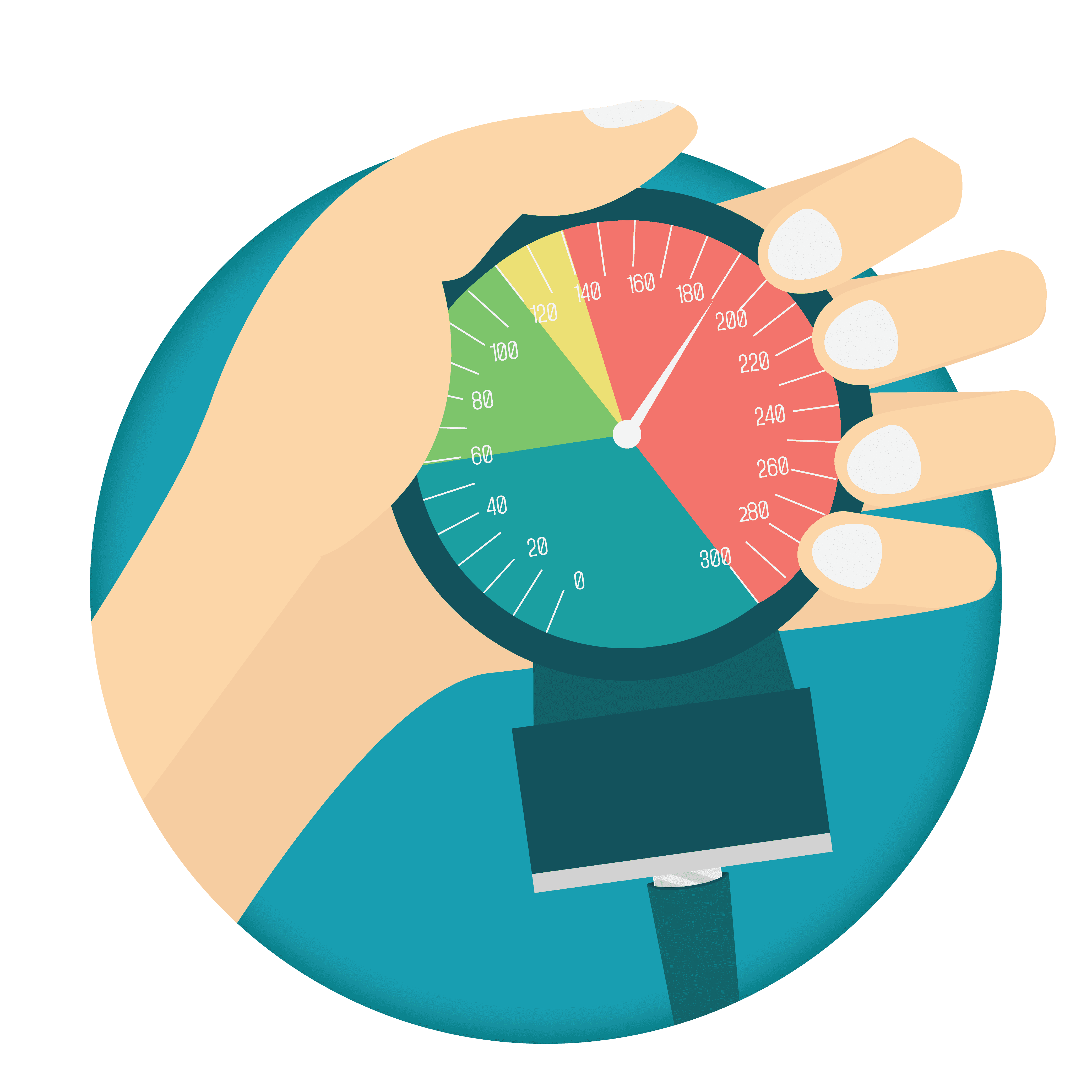
Hypertension Insights and Actionable Steps
Healthier Heart and Happier You
Hypertension, High Blood Pressure, also known as the “silent killer” affects nearly half of American adults. There are lots of ways to manage high blood pressure and it can often be reversed through diet and lifestyle modification.
What Can You Do to Control High Blood Pressure?
-
-
Quit smoking.
-
Follow a heart-healthy diet
-
Limit salt intake.
-
Increase physical activity.
-
Achieve a healthy weight.
-
Limit alcohol intake.
-

blood pressure
Why Your Blood Pressure Matters
Blood pressure is critical to our overall health as it effects all the organs of our body. When we leave high blood pressure unchecked… it can lead to stroke, heart disease, and kidney disease to name a few. Avoiding these complications from high blood pressure is simple once we understand what it is and how to manage it.
What Numbers Are Too High?
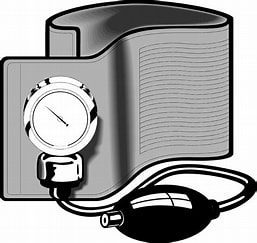
Blood pressure measures the pressure in your arteries when your heart is contracting and pumping (systolic) and the measurement when your heart is relaxed and filling (diastolic). An optimal reading is less than 140/90 mmHg and sometimes lower if you have other conditions.
KNOW YOUR NUMBERS
What Causes High Blood Pressure Readings?
Blood pressure can fluctuate based on several factors including: diet, stress, sleep, lifestyle, and exercise. It can also be affected by underlying medical conditions that you may not even know you have (kidney disease, hormonal imbalances, and heart/lung conditions to name a few). The key is to check your blood pressure and not ignore a high reading.

Gift of Peace of Mind
Give the Gift of Peace of Mind: Your Time is the Present
In the spirit of the season, give yourself and your family the gift of year-round peace of mind. Time is a precious, especially during the holidays. Managing health concerns shouldn’t add unnecessary stress to your life.
Your Time is Valuable
In the midst of holiday chaos, every minute counts. Balancing work, family, and unexpected health issues can feel like a never-ending juggle. As a working parent, I understand the challenges of carrying the mental load and strive to help you reclaim your time.
Immediate Health Support
Picture this: “My son has a sore throat and fever; I’ve reached out to his doctor’s office and am waiting for a call back.” Your health concerns should be addressed promptly. As your physician, I’m here to provide immediate answers to your health questions via text, allowing you to swiftly address concerns and get back to the joy of the season.
Effortless Healthcare Solutions
“My daughter cut open her foot. Urgent care or ER?” Waiting for a callback or spending hours in a waiting room is not an option for busy families. We handle these situations promptly, ensuring your family’s health is prioritized without unnecessary delays.
Streamlined Doctor Visits
“I’m constantly tired, but scheduling a doctor’s appointment is daunting.” We’ve simplified the process. Booking a convenient time that suits your schedule is all it takes – no waiting room hassles. This isn’t too good to be true; it’s a reality we offer year-round.

holiday stress
5 Tips for a Stress-Free Holiday Season
I am at the point in my life where I Just want soak up and enjoy the holidays with my family as much as I can. I don’t want to spend time with any negative energy.
The following are by best tips for doing just that:
1. Adjust Expectations:
Don’t aim for perfection. Families evolve, traditions change. Feelings are not facts…focus on what truly matters and allow yourself the space to process those feelings.
Maintain Healthy Habits:
Keep basic routines intact to avoid holiday chaos. Prioritize:
- Sufficient sleep
- Balanced meals
- Moderate alcohol consumption
- Regular physical activity
- Any relaxation techniques: breathing, meditation, or yoga.

2. Prioritize Self-Care:
Carve out time for yourself first. Engage in activities that bring joy, be it a walk or getting a massage. This rejuvenating practice can give you the boost you need to handle holiday demands.
3. Learn to Say “No”:
It’s okay to decline invitations or activities beyond your capacity. Remember, ‘No’ is a complete sentence. If overwhelmed, remove less essential tasks from your agenda to free up time for more self-care.
4. Seek Support:
Reach out to trusted friends, family, or even a therapist. Utilize coping tools to process feelings. Remember, you’re never alone.
Causes, Treatments, and Complications
Heartburn: WHAT it is and WHY it happens
Heartburn, commonly known as indigestion, can occur after we eat. Acidic stomach contents can squeeze back up into the esophagus, causing reflux—a burning sensation behind the breastbone that we experience as heartburn.
What are Common Causes of Heartburn?
- Eating a large meal
- Excessive consumption of coffee or alcohol
- Pressure on stomach (from vigorous exercise after eating or advanced pregnancy)
How to deal with occasional heartburn?
For occasional heartburn in healthy individuals, simple measures such as taking antacids and avoiding lying down after a meal are often sufficient.
What if Heartburn is Persistent? A more targeted approach may be necessary.
- In Overweight People: heartburn can be improved through weight loss.
- Smoking cessation lowers symptoms of heartburn
- Avoiding certain foods that provoke heartburn like caffeine, alcohol, and fats.
- Elevating the head of the bed can improve symptoms

You should always speak to your physician about your symptoms and be evaluated for any complications
Are there any serious complications from heartburn?
Ongoing chronic esophageal exposure to gastric juices can lead to complications such as:
1. Esophagitis: Inflammation of the esophagus
2. Ulceration: Bleeding, scarring, and stricture (narrowing) of the esophagus
3. Barrett’s esophagus: A pre-cancerous condition associated with an increased risk of lower esophagus cancer.

Habits
Habits: Directing Your Life Intentionally
Our brains are the most amazing organ. It organizes and integrates an incredible amount of data quickly… allowing us to operate on “auto-pilot” for much of our day. Our brains create well worn pathways so that we can do routine tasks without shifting our focus to them. How to harness the strength of this amazing gift and create the life we want? By understanding HOW to intentionally form our habits.
What is a habit?
Habits are behaviors we perform on a regular basis where some component of the behavior is considered “automatic.” Forming new habits requires repetition.
Developing desired healthy habits is something we can direct our brain to do.
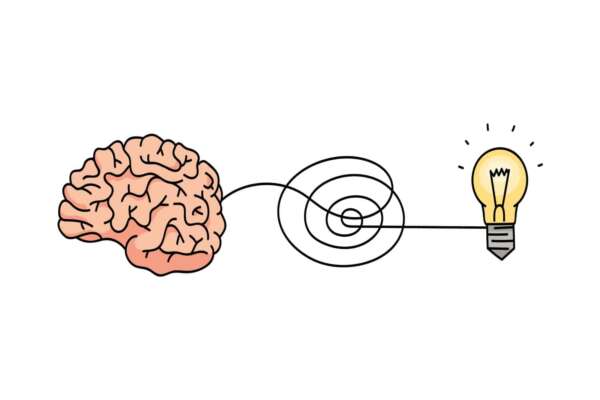
Habits are pathways in the brain that have formed through repetition. The repetitive pattern starts with a cue from the environment which triggers a behavioral response and is reinforced with a reward. The well known Pavlov’s Experiment demonstrates the principle.
In order to create a new, healthy habit—or even to break a bad habit—you must be as intentional as possible with all three parts: cue, behavior, reward. Manipualting our environment to introduce cues to intentionally associate with a desired behavior and reinforce with a reward is the foundation.
Changing your life habits can be simpler than you may think. With a few tricks, you can gain or lose any habits you’d like.
Understanding these tips will help you stick to healthy habits and break bad ones as you work toward your health and wellness goals. Focus on the cue.
In order to create new habits, we need to focus on the cue, NOT the behavior.
Let’s say you want to start practice daily meditation. Instead of focusing on time meditating, focus on developing the routine around the practice of meditation.
Choose a cue that already occurs regularly in your daily life, such as drinking morning coffee. While developing your meditation habit, focus effort on getting ready to meditate while you brew the coffee. Meditate for 2 minutes. Reward yourself with the coffee afterwards.
Develop the habit of prepping for meditation. Don’t focus on the behavior… you can start with 2 minutes and gradually build up to your targeted time.
After a while, you’ll start to notice that when you get up to get coffee (environmental cue), it takes little to no effort to mediate (habitual response).
You may even start to look forward to it…and feel something in your life is off when you do not meditate…. And that’s the power of habit!
HABITS VS GOALS – Don’t confuse habits with goals.
Goals are great, but putting habits in place that move you toward your goals are key. The goal is the destination and the habit is the journey. Build healthy habits by starting today.
Sore throat
Soothing a Sore Throat…. Be in the Know this Winter.
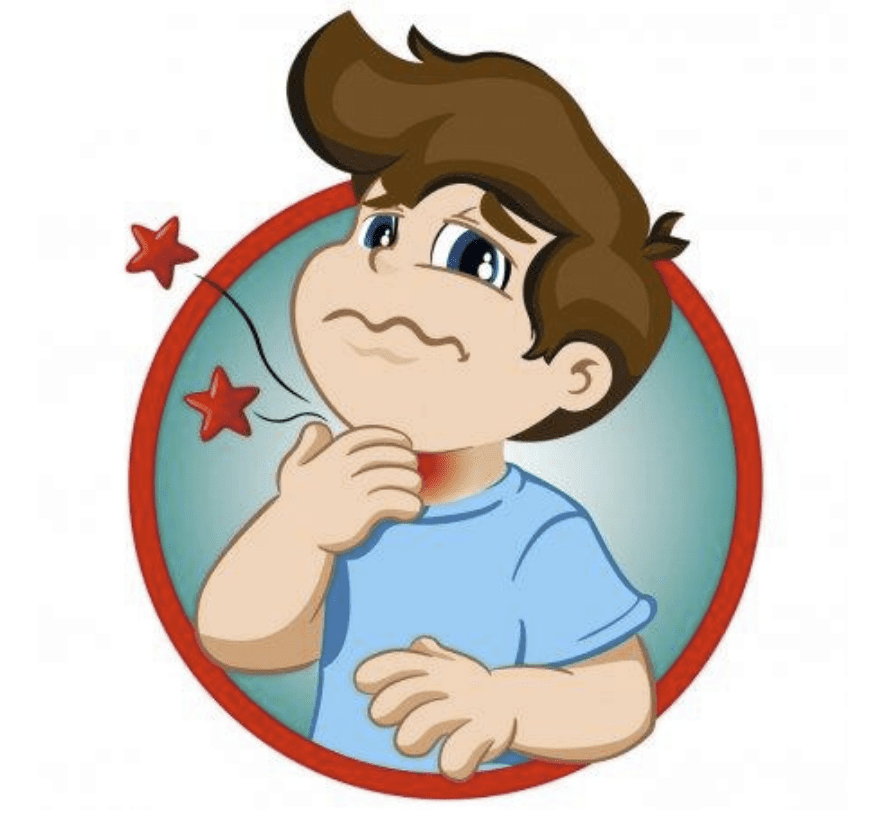
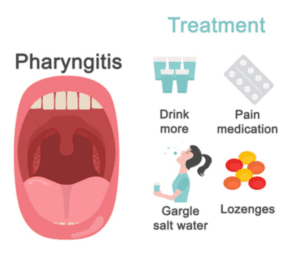
Pharyngitis, commonly known as a sore throat, is a symptom that signals an infection involving the back of the throat.
Signs of pharyngitis include:
- Sore, dry, or scratchy throat
- Pain with swallowing
- Redness/Inflammation of the throat
Physical exam
If you’re experiencing symptoms of pharyngitis, your doctor will check your throat looking for white patches, swelling, and redness and check for swollen lymph nodes in your neck. You should report any fever or cough as well.
If your doctor suspects that you have strep throat, they will likely take a rapid strep test in the office which can give you a result for strep throat in a few minutes. In some cases, a swab culture is sent to a lab for further testing.
Blood tests
If another cause of your pharyngitis is suspected, your doctor may order blood work looking for specific infections, such as mononucleosis or they may perform a COVID or flu test.
-
drinking plenty of fluids/ pedialyte popsicles
-
gargling with warm salt water (1 teaspoon of salt per 8 ounces of water)
-
using a humidifier
-
resting until you feel better
-
throat lozenges can sooth pain
-
avoid sharing food, drinks, and eating utensils
-
avoid individuals who are sick
-
wash your hands often, especially before eating and after coughing or sneezing
-
use alcohol-based hand sanitizers
-
avoid smoking and inhaling secondhand smoke
tips to prevent eczema flares
Winter is Coming:
5 Tips to Combat Dry Sensitive Skin!
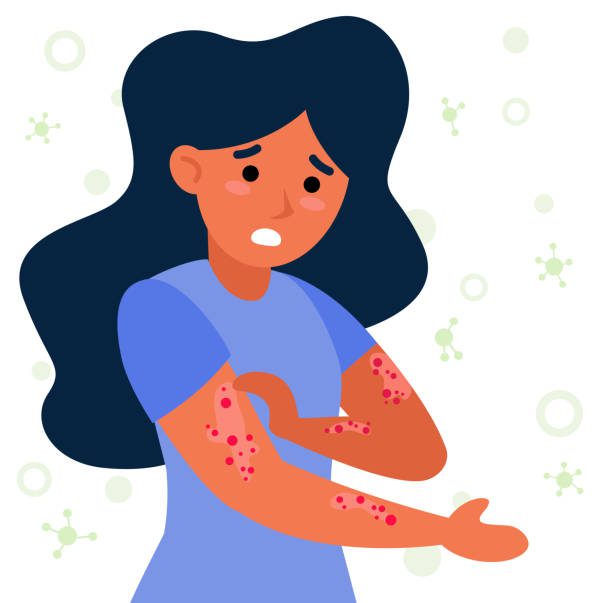
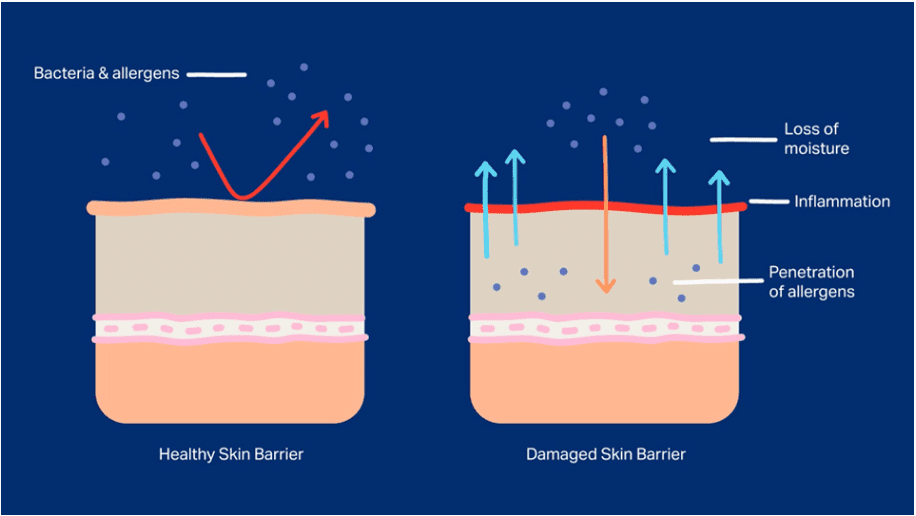
What is the largest organ in your body? SKIN! It is a protective shield and plays a crucial role in fending off infections. When this defensive layer is compromised… you can develop dryness, discomfort, and swelling. These are indicators that your skin is in need of care! To steer clear of such problems, adhere to these 5 recommendations to prevent flares…
Avoid Irritants
Highly sensitive skin is prone to irritation with perfumes, dyes, and chemicals found in everyday household products. The trick is to use hypoallergenic and fragrance-free products. Minimize flare-ups and itching by using fragrance-free soaps, shampoos, and detergents.
Be Temperature Aware
Pay attention to temperature and humidity. Take shorter baths with luke-warm temperature water. Avoid exposure to extreme heat/cold and wear 100% cotton allowing skin to breath. This helps with overheating and excessive sweating which can trigger a flare-up.
Moisturize
Unscented fragrance free moisturizers such as Cerave should be used regularly. Aquaphor can be used for tougher areas.
Supplement with Vitamin D
Vitamin D supplementation and direct sun exposure can lessen the severity of eczema symptoms and support your skin barrier and immune system. Vitamin D supplementation is a safe and tolerable therapy.
Partner with your physician
With eczema-friendly skin care and trigger management you can avoid eczema flares. Create a custom-tailored treatment plan that can include topical medications, specialized dressings, oral medications, or UV light therapy each of which has unique risks/benefits.

HPV: Do you know the FACTS?
HPV
70-80% of women will have Human Papilomaviurs, HPV, at some point in their lifetime. If it’s so common…. why does it matter?
So what can you do about it?
Putting CARE back in Health Care

-
Most women younger than 30 do not get HPV testing, because the immune system often eradicates HPV. However, if their pap is abnormal an HPV test may be indicated.
-
Women 30 years or older, can be offered HPV test and Pap together to screen for cervical cancer.
-
Although the HPV vaccine protects against many of the HPV types that cause cervical cancer, it does not prevent all HPV types that cause cervical cancer.
-
You might not be fully protected if you did not get all the vaccine doses (or at the recommended ages).
-
You might not fully benefit from the vaccine if you were vaccinated after getting one or more types of HPV.

Open Enrollment is Here
What Your Open Enrollment is Missing!
Year after year, we pay more for our health insurance and receive less. Frustrated and overwhelmed trying to obtain the care needed and getting it covered by insurance… many have resigned themselves to the status quo. But we all deserve better. With open enrollment around the corner… now you have another choice.
Can you imagine if getting the care you needed was as easy as sending a text message to your doctor? What if you had an advocate to help you navigate and ensure your well-being was the top priority. We are putting the care back into healthcare and giving you all the power to make choices that will benefit your health and well-being. It’s time to get what you are paying for.
Direct Primary Care eliminates the hassle of traditional insurance-based care. With a low monthly fee, you gain direct access to the vast majority of your health care services. Enjoy more time with your physician, same-day and next-day appointments. No copays or hidden fees. Work directly with your DPC physician to obtain tremendous savings on all medications, labs, and imaging.
This year during open enrollment, let’s look at ALL your options.
Don’t miss your opportunity this time around. Join the Roots Health DPC family today!


Early detection saves lives
Breast Cancer Warning Signs
Breast Cancer Screening is for women without symptoms. However, if you notice any signs of breast cancer you should see your doctor for an evaluation promptly regardless of when you were last screened.
The warning signs of Breast Cancer:
1. If you notice a lump that feels firm or fixed in the breast or underarm area.
2. Swelling, warmth, redness or darkening of the breast skin.
3. Change in the size or shape of the breast including dimpling or puckering of skin.
4. Nipple retraction or change in position of nipple.
5. Discharge from your nipple.
Although the vast majority of breast cancers are found through abnormal mammograms, up to 30% of breast cancer patients present with a mass that occurs between mammograms.

Your Breast Cancer Screening Plan
Breast Cancer Awareness Month – Screening
One out of eight women will be diagnosed with breast cancer. Do you know which screening test is best and when to start screening for breast cancer?
There are many different screening tests for breast cancer and are varying recommendations from different organizations. Education with individualized planning (based on your personal risk for breast cancer) can help determine the best screening test for you.

Breast Cancer Awareness
October is Breast Cancer Awareness Month
Many of us have been touched by knowing someone with breast cancer. It is, after all, is the most frequently diagnosed cancer and leading cause of cancer death in women.
-
Hormonal factors influence your risk for breast cancer. Speak with your physician about your personal risk associated with hormonal therapies.
-
Reproductive factors associated with a higher breast cancer risk include earlier onset of menstruation, not giving birth or having first child later in life, and a late menopause.
-
Family history and genetic mutations. The risk of breast cancer is affected by the number of first-degree female relatives diagnosed with breast cancer and the age at which they were diagnosed.
-
The highest breast cancer risk occurs among White women (although it remains he most common cancer among women of every major ethnic/racial group).

-
Breastfeeding. For every 12 months of breastfeeding there is an approximate 4% reduction in the relative risk of breast cancer.
-
Increased physical activity at all ages lowers risk.
-
Routine screening and regular self-breast exams

Give yourself the gift of TIME
Your TIME is VALUABLE
THIS IS NOT too good to be true!

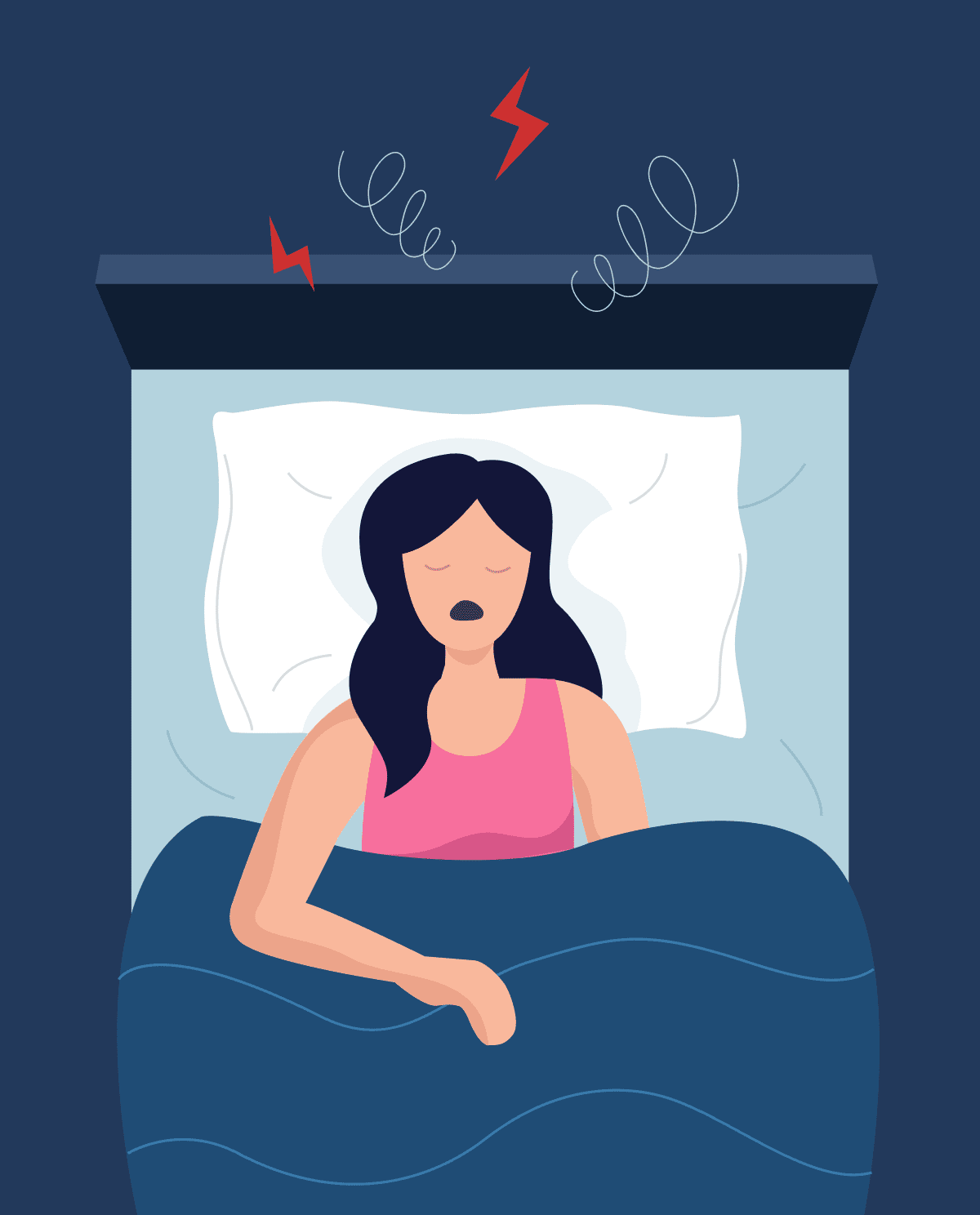
What you need to know about Sleep Apnea
SLEEP APNEA
Did you know that daytime fatigue, trouble concentrating, headaches, and many other symptoms can be caused by sleep apnea?
Learn about sleep apnea and signs that it might be affecting your health.
Sleep apnea is commonly under-diagnosed . Education is key.
-
Daytime sleepiness or fatigue
-
Restlessness during sleep, frequent nighttime awakenings
-
Sudden awakenings with a sensation of gasping or choking
-
Dry mouth or sore throat upon awakening
-
Cognitive impairment, such as trouble concentrating, forgetfulness or irritability
-
Mood disturbances (often dismissed as depression or anxiety which can co-exist with sleep apnea)
-
Night sweats
-
Frequent nighttime urination
-
Sexual dysfunction
-
Headaches
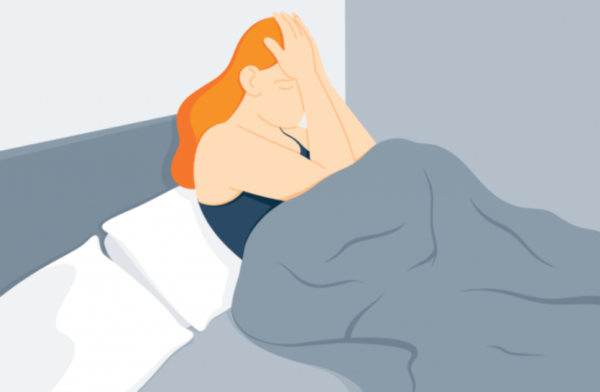
How is sleep apnea diagnosed?
Speak with your primary care physician about your symptoms suggestive of sleep apnea. An overnight sleep study can objectively evaluate for sleep apnea.
-
Weight loss
-
Sleep position changes
-
Treatment for underlying sinus or nasal congestion
-
CPAP (continuous positive airway pressure) machines or other mechanical therapy
-
Dental appliances that keep the airway open
-
Surgical procedures are usually reserved for unresponsive cases

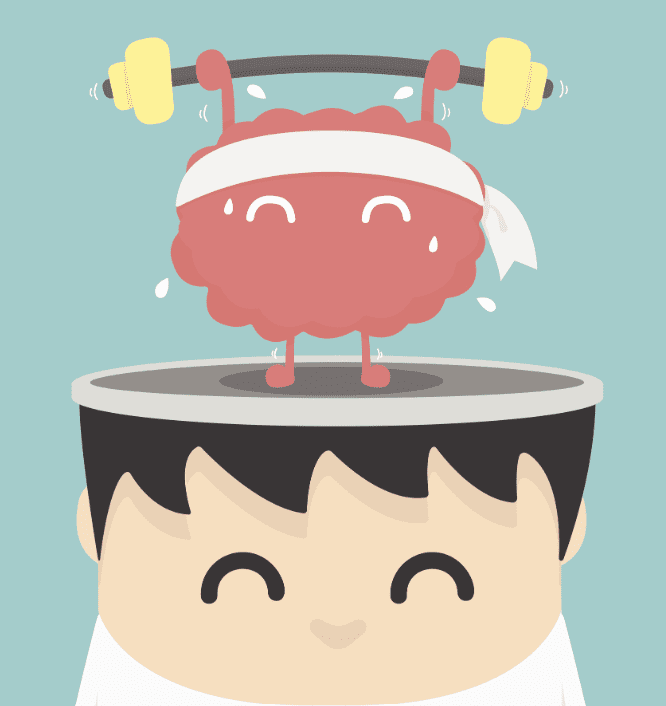
How Prioritizing Your Well-Being Can Transform Your Life
MIND over MATTER
We all lead full lives, but are we really “too busy” to prioritize ourselves first? It can be hard to prioritize our own well-being when we have so many other seemingly “more important” obligations. Sometimes, it feels like there is “not enough time” to get it all done and some might just choose to skip the self-care piece. I have been in your shoes and had that thought… “I am just too busy.”
What if there was plenty of time? What would that feel like?
Would you focus your attention and spend time on the things that brought you joy intentionally? Would the endless “to do” task list in life feel less like a “checklist” burden and instead become a source of meaning and purpose in all the activities of your day?
I understand how balancing parenting, work, and our own growth can seem impossible and leave you feeling like you cannot do a great job in one area without compromising other areas.
We all have unique challenges that serve as a catalyst for our own personal growth and evolution ….and we learn from those experiences.… but WHAT we learn is actually the most important. Alone, we are limited… we can only teach ourselves what we already know. But the brain is truly an amazing organ… it is malleable, teachable, and trainable. Our thoughts and perspective actually have the ability to completely change our lives even when our circumstances remain pretty much the same. Questioning our thoughts and beliefs about what is “true” gives us the ability to adopt new habits that help us grow and thrive rather than merely survive. Knowing that “what we focus on grows” gives us the gift of being able to gather up our experiences from the past and move forward in the direction of our dreams.
“When my thinking changed, my life changed.”
When I look at my “to do list” today, I view it as something I “get to do” instead of something “I have to do.” I prioritize time for self-care and self-development and become a more focused and productive participant in my own life. TIME is our most valuable resource. When we know exactly how we want to spend it, we can live a life filled with meaning and purpose.

Self-care is the foundation for success in all the areas of your life. Filling your own cup first so that you can serve others is not selfish…. it is necessary.
Discover Health Sharing Plans (HSP)
Navigating Health Care Alternatives:
Health Sharing Plans and Direct Primary Care
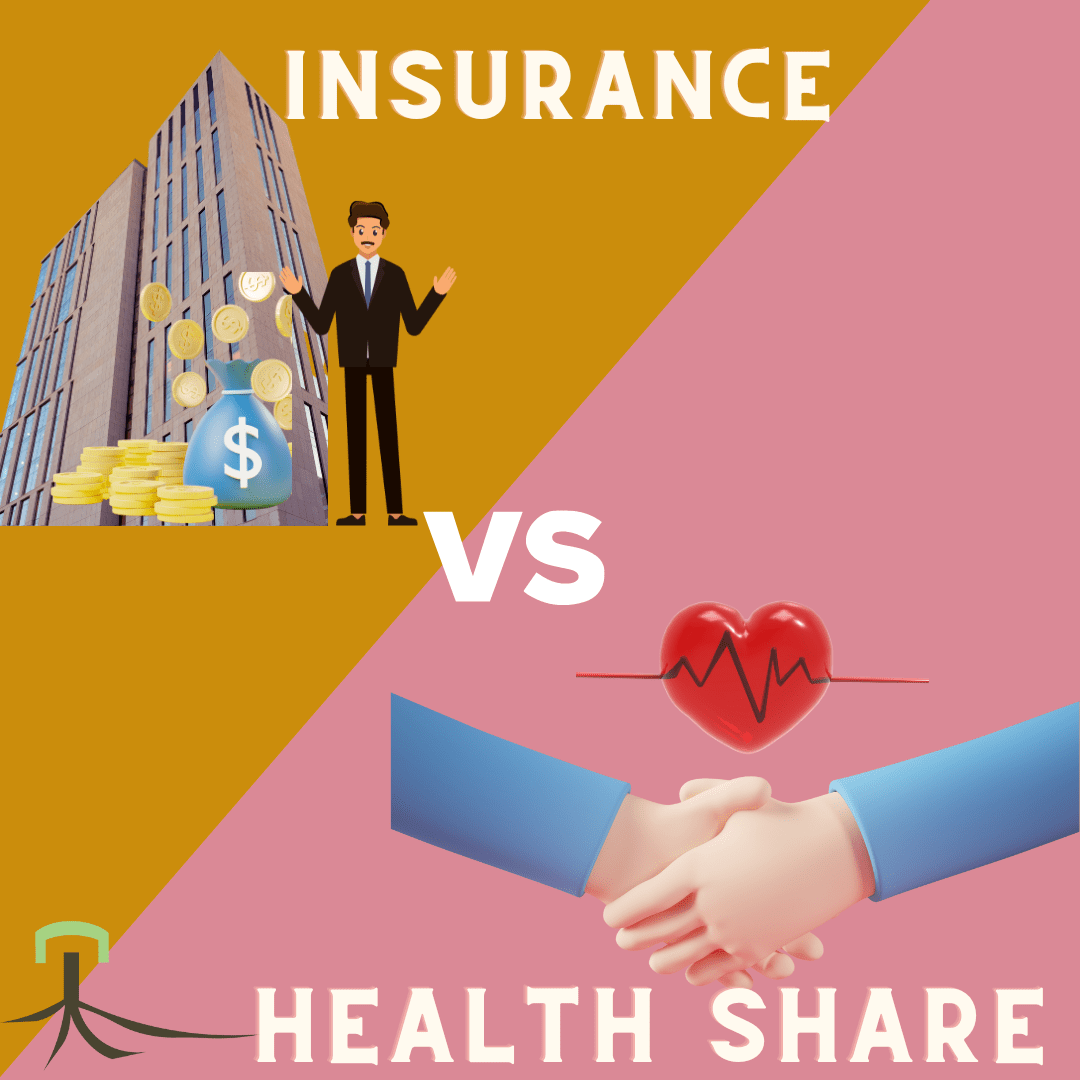
Insurance costs are increasing and have become a growing source of stress for individuals and families. Many are not aware there is another alternative—and it’s called health care sharing plans. Health sharing plans (HSP), also known as medical cost sharing, can save you and your family a lot of money on healthcare. We review the basics of these plans and explore how they differ from traditional insurance coverage.
Health Sharing Plans (HSP): How It Works
Members in an HSP “share” medical costs. As part of an HSP, you are responsible for paying an initial unshareable amount (IUA) each month (like a premium). There is also an “annual unshared amount” (like a deductible) that your medical expenses must exceed before the plan shares your expenses.
Health care sharing can be great for people who:
- Are generally in good health
- Are not eligible for a tax credit based on income
- Lack access to insurance through an employer or government program
- Only want/need catastrophic coverage
- Can’t afford current health insurance premiums
HSP vs Health Insurance
The Pros:
- HCP counts as insurance under the Affordable Care Act (ACA), even though they are not insurance. This allows for affordable healthcare benefits while avoiding the tax penalty for going uninsured.
- HSP are provided at a much lower monthly cost.
- The annual “unshared amount” is much, much lower than deductibles for insurance plans.
- You have any choice of provider. There are no network requirements. If you pay out-of-pocket, health sharing plans reimburse your expense.
The Cons:
- Health care sharing plans are not required to cover pre-existing conditions at the time of enrollment such as cancer, diabetes, or smoking. Those who have them may be declined membership or won’t have the conditions fully covered for a year or more.
- Health care sharing also doesn’t typically cover the essential health benefits like wellness exams or mental health counseling.
HSP and Direct Primary Care work well together
The DPC will meet vast majority of a person’s primary health care needs and any urgent care needs for a low monthly fee without copays or deductibles. DPC will ensure access to high quality low cost laboratories, medications , and consultations with specialists. You receive higher quality care with better access to your physician without waiting.

Affordable Medications
Are Medications Affordable?
Medications do not need to be expensive.
Out-of-pocket costs for medications have skyrocketed. We know patients are sick of trying to figure out how to get medications at a reasonable cost. At Roots Health DPC, we are making medications easily affordable for our patients. How?
We buy medications at wholesale cost – and pass that value to our patients…without marking them up. We remove the middleman, pharmacy benefit managers/retail pharmacies, that come between patients and their medications. We have effectively lowered the cost of prescriptions by 50% to 90% for our patients.
Here are Just a few Examples of Medications for Under $5/month
Metformin
Ibuprofen
Lisinopril
Amlodipine
Sertraline/Zoloft
Lovastatin
Sumatriptan/Imitrex
Loratadine/Claritin

A Simple Solution for a “Complex” Problem
DPC stands for Direct Primary Care – we deliver health care services, including medications, directly to our patients. We provide medications at discounted rates because we know everyone deserves fair pricing on the medications they require to stay healthy. We are uniquely qualified to partner with our patients to determine which medications will best treat their medical conditions and ensure they receive those medications at a reasonable price.
Retinoids: Your Skin Care Essential
Skin Care Routines: The Lowdown on Retinoids
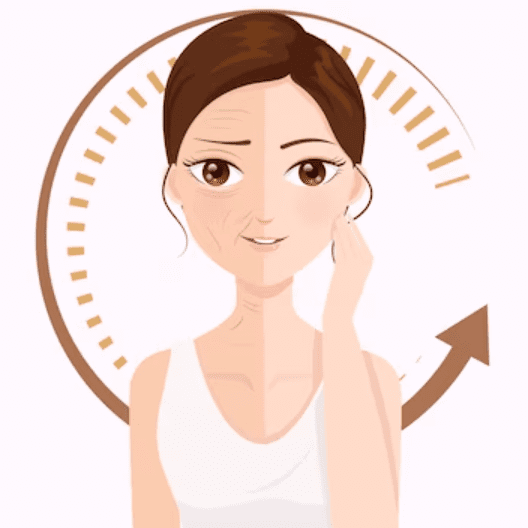
As we age, collagen production slows… causing wrinkles and signs of aging. Eating a diet rich in anti-oxidants, staying hydrated, using daily facial sunscreen and moisturizer are all critical components for a healthy skin care routine. Today we look at retinoids as a basic foundation for anti-aging skin care routines.
What are retinoids?
A derivative of vitamin A, retinoids can tackle everything from fine lines and pigmentation to acne. They achieve this by boosting the turnover rate of skin cells. Retinoids accelerate the rate of skin cell division and new cell growth which helps thicken the top layer. Retinols and other retinoids also work deep in the skin’s dermis layer to stimulate collagen and elastin production. These skin proteins naturally decrease with time, leading to thinning skin and other visible signs of aging. Boosting their production, then, allows retinoids to offer pro-aging support.
What’s Retinol?
When it comes to retinol and retinoids, plenty of people get a little confused — but with good reason. These two anti-aging ingredients aren’t entirely different. In fact, retinol is a sub-type of retinoid.
From reducing the appearance of wrinkles to easing the effects of sun damage retinoids can offer plenty of skin benefits. Retinoids most often describe more powerful prescription products, while retinol generally refers to weaker over-the-counter (OTC) formulas. OTC formulas tend to be less drying but they are still effective… if used consistently over long periods of time.
Should you use retinoid or retinol?
Before deciding, you’ll want to consider your skin type and the severity of the problem you’re trying to treat. Retinols are generally recommended for dry skin as they tend to be less drying and often are formulated with hydration ingredients.
Side effects of retinoids including irritation, redness, burning suggest an overly aggressive routine and can occur if you do not “ease your way” into retinoid use by starting slowly.
Contraindications to all retinoids include pregnancy, lactating, or trying to conceive.
How to use retinoids?
WHEN to put them into your skin care routine: at night after washing with a gentle cleanser. Start 3 nights per week and increase to daily after a few weeks if your skin can tolerate.
HOW to apply: use a pea-size amount when face is dry. Apply moisturizer afterward to avoid irritation. Using sunscreen on a daily basis is a MUST while applying retinoids.
ANYTHING ELSE? Check the ingredient list of your other skin care products, as retinoids can interact with other formulas and should not be used with benzoyl peroxide for example.
Combining retinoids with ethyl alcohol or acidic products, can dry out your skin and lead to redness and irritation.
If you have dry skin, creamier formulas can offer more hydration. If you have normal, oily, or combination skin, you might prefer a thinner gel consistency.