

ABCs for burns.

2023-05-01T13:07:38+00:00May 1st, 2023|Direct Primary Care, Families, Family Medicine, Family Practice, Health Care, Public Health|

Burns Happen.

We all use things that are hot, flammable, or explosive and don’t think much about the risks… until we get burned.

Thermal burns are the ones we all think of…. Touching a hot iron for example. These are obvious hazards, but there are more severe burns you might not think of often.

Chemical burns are not as rare as you might think. One of my patients had some batteries explode in her pocket and burn her skin. She called and was directed to immediately irrigate with water.

Today we will go through the ABCs of burns and what to do if you have a burn.

Bottom line: Burns happen and there are steps that need to be taken immediately to improve the odds for successful healing.

What is the Basic Care for Burns?

Treating burns early is actually the most important:

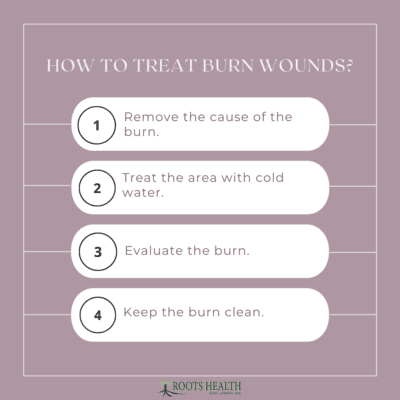
  1. Remove the cause of the burn.

Immediately remove the cause of the burn from the affected area. If there is grease or chemicals on your skin (or clothing that’s caught fire), you need to remove the continued source of the burn as quickly as possible.

For chemicals you may need to double check that nothing is continuing to cause damage. In the case of my patient, the battery got into her shoe and it was not noticed right away. It caused more damage to her foot than her thigh because it was not treated as quickly.

  1. Treat the area with cold water.

Leave any affected burn areas under cold water for 10 minutes. This time is essential in reducing the heat in the skin and stopping the burn’s progression. You may even want to irrigate with water for longer depending on the type of chemical burn and extent.

  1. Evaluate the burn.

After 10 minutes of treatment with cold water, assess the existing damage and plan for needed treatment. Call your physician for guidance. If you’re traveling to a medical facility, keep a cool compress on the area while you travel, if possible.

  1. Keep the burn clean.

Burns break down skin and often breed infections that can be severe. Removing debris that might contain bacteria and keeping the area clean is important.
When do I need to seek Immediate Medical Care?

In specific cases, you should seek professional treatment for a burn immediately.

Circumferential Burns

If a burn area stretches all the way around a body part — like your finger, wrist, or leg — you absolutely need to see a doctor for evaluation and treatment.

Large Burns

When it comes to wound care for burns, a rule of thumb is that you can estimate burn size by thinking of your palm as 1% of your body area, while your arm or leg is closer to 9%. Different percentages of burned skin require different levels of medical attention, but suffice it to say if you have burn on 10% of your body you need to seek medical attention immediately.

What are the Next Steps for Burn Management?

In addition to caring for the burn itself, you’ll also need to deal with other issues related to your injury. To give your body time to heal, you’ll need to address two variables:

  1. Infection: Your skin is your body’s main defense against infections. When you burn your skin, you’re literally burning away your number one infection defense mechanism. Keep the burn site clean to avoid complications.
  2. Pain management: Burn wounds are notoriously painful. Talk to your doctor about medication options for pain management.
  3. Wound care: Evaluation of severity and which layers of tissue are affected will determine treatment. Consult with your doctor and consider Silvadene, commonly used cream that has both antibacterial properties and can promote wound healing.

Wound Care for Burns: Final Thoughts

If you find yourself questioning whether you should seek medical attention for a burn, seek medical attention. One advantage of our direct primary care model is that patients have a direct line to their doctor they can use at any time. My battery burn patient was able to call me immediately after her injury, and I could assist her in real time as she texted me pictures of the burns. We saved her thousands in hospital bills and follow up care because we were able to manage her care immediately to prevent ongoing damage.


When the seconds matter, direct primary care can make all the difference.

Preventing heart disease is better than curing it.

2023-04-24T13:49:17+00:00April 24th, 2023|Adults, Direct Primary Care, Family Medicine, Family Practice, Health Care, Uncategorized|

Heart Disease: An ounce of prevention is worth a pound of cure.

Heart Disease is the number one killer for women…. knowing your risk is half the battle.

Are YOU at RISK? Use this FREE CALCULATOR

Heart disease is often preventable for women. The following lifestyle changes help lower risk and protect your heart.

Maintain a healthy weight

Being overweight can raise your blood pressure, cholesterol, and increase risk for diabetes.

Losing 5% to 10% of your body weight can lower blood pressure, cholesterol, and the risk of developing diabetes.

Quit smoking

Smokers have more than twice the risk for heart attack than do nonsmokers. The risk for blood clots also increases, which can cause stroke.

Get Active

Strive for regular moderate to high intensity physical activity. This can be done in 30 minute chunks, 5 days a week. Aerobic exercise reduces your risk of heart disease.

Change your fats

Change the fats in your diet. Avoid saturated fats. Substitute olive oil for butter. All fats are high in calories so use them sparingly to avoid weight gain.

Also limit the following:

• Full-fat dairy products

• Fatty meats

• Partially hydrogenated vegetable oils

• Convenience or other prepared foods high in fat

Eat fruits and veggies

Eat plenty of produce. We recommned eating at least 3 cups of vegetables and 2 cups of fruits daily, depending on your calorie needs. Diets high in fruits and vegetables are linked to lower blood pressure and a reduced risk for heart disease.

Fiber up

Soluble fiber helps reduce cholesterol. Oatmeal, whole-grain bread, and other whole-grain foods are excellent sources of this nutrient.

Drink alcohol only in moderation

Women should limit alcohol to no more than 1 drink per day. That’s equivalent to 12 ounces of beer, 4 to 5 ounces of wine, or 1.5 ounces of 80-proof spirits.

Seeking a physician who can provide ample time for discussing all options? Contact us today as we are enrolling a limited number of new patients.

Strategies for Overcoming Heart Disease

2023-04-17T14:15:19+00:00April 17th, 2023|Adults, Family Practice, Health Care, Public Health, Uncategorized|

A Woman’s Guide to Beating Heart Disease

Few women think heart disease is their greatest health threat. That thought could not be further from the truth. Unfortunately, it’s the nation’s number one killer, and women are its prime target. Over one-third of the women who die in the U.S. each year die of heart disease. In fact, more women die of heart disease each year than breast cancer.

The risk of heart attack and stroke increases with age. Women can start protecting themselves early to avoid heart disease.

Knowing your risk

Things that put women at risk include:

• Being postmenopausal

• Having had a hysterectomy

• History of or currently using birth control pills

• Being pregnant and having complications including diabetes or pre-eclampsia

Credit to: My Happy Doctor

Join us at the Community Health and Wellness Fair Sunday April 23, 2023, in Oak Park, where Roots Health DPC will be providing free screening for heart disease.

The following things put both women and men at risk for developing heart disease:

• Personal history of heart disease or stroke

• Age over 55

• Family history of heart disease

• High blood pressure

• High cholesterol

• Diabetes

• Past or current smoker

• Getting little or no exercise

• Obesity

• High-stress life

Knowing risk factors is half the battle towards beating heart disease. You can lower your risk of heart disease through preventative measures. Keep an eye open for our blog on prevention next week where we will do a deep dive on how to prevent heart disease.

Are you looking for a physician who has time to discuss all your options with you? We are enrolling a limited number of new patients and would love to hear from you today.

Prediabetes – Signs and Symptoms

2023-02-05T19:43:43+00:00February 4th, 2023|Adults, Diabetes, Family Practice, Health Care, Public Health|

What are the Signs of Diabetes? Why should I be screened for Prediabetes if I don’t have any symptoms?

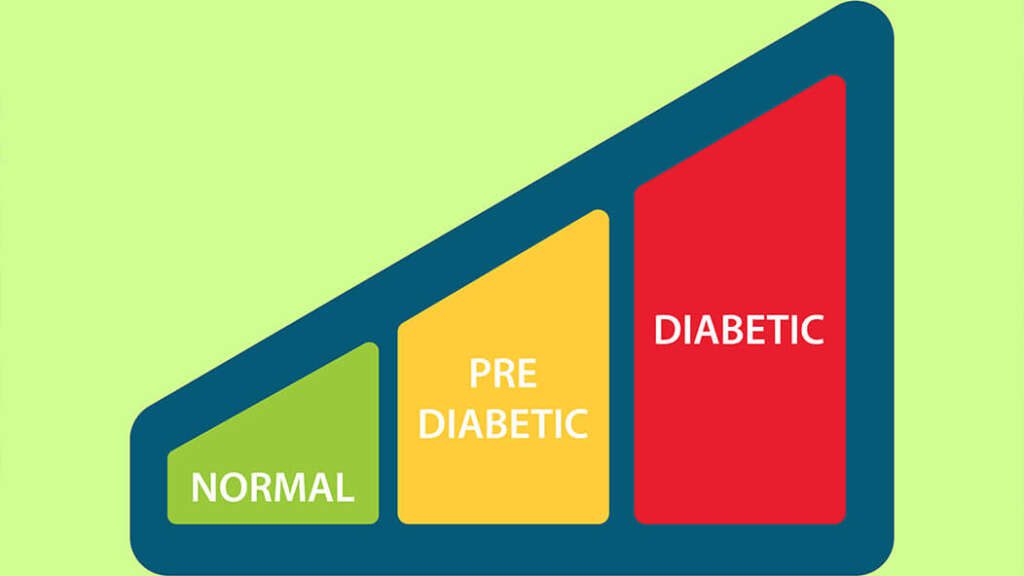
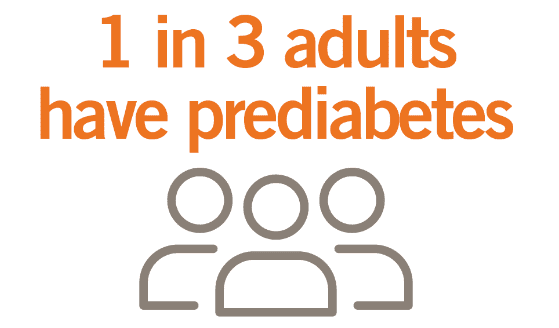
Since 1 in 3 American adults have prediabetes (most of whom do not know they have it) and the risk increases with age… everyone should be tested based on their risk. Middle age is when prediabetes and diabetes diagnoses really begin to spike, but some younger people are at higher risk.

What increases my risk for type 2 diabetes?

There are a few things that can increase your risk of diabetes, these include:

  • Being overweight or having obesity, especially if you carry your extra weight in your belly area
  • Being 45 years old or older
  • Not doing enough physical activity
  • Smoking
  • History of diabetes during pregnancy, called “gestational diabetes”
  • History of polycystic ovary syndrome
  • History of high blood pressure
  • Family history of diabetes
  • African American or Latino

Are you at risk for Prediabetes? Knowledge is power. Since you are responsible for your health
and wellness… let us help you get all the information you need to make informed decisions for
your well-being. Sign up to receive relevant FREE weekly Health Tips: “Mondays with your MD”

Are there signs & symptoms?

The classic symptoms of DIABETES can include

Excessive thirst
Excessive hunger
Increased frequency in urination
Weight loss

But you can have both DIABETES and PREDIABETES for years without any symptoms

A really important piece for improving your health and wellness is the ease with which you can obtain information from a trustworthy source. Are you able to call your doctor directly and get all your questions answered? If you are looking for a physician who makes it simple to get your health care needs met, schedule your initial free consultation today.

Diagnosing pre-diabetes earlier increases the length of your life. Join us next week to find out how to screen for and diagnose prediabetes.


Prediabetes – What is it exactly?

2023-02-11T03:11:19+00:00January 30th, 2023|Adults, Diabetes, Family Medicine, Family Practice, Health Care, Membership|

What is prediabetes? Who is at risk?
A look at the myths about diabetes.

Approximately 96 million American adults—more than 1 in 3—have prediabetes. Of those with prediabetes, more than 80% don’t know they have it. In fact, most people are not aware that they should be routinely screened.

So what is the harm in having prediabetes?

Prediabetes significantly increases the risk of developing type 2 diabetes, heart disease, and stroke. As with anything… knowledge is power.

The good news is that if you have prediabetes, which is easily detected on bloodwork, you can make lifestyle changes to prevent or delay type 2 diabetes and other serious health problems.

Is prediabetes more common than you thought?
Learn more about ways that you can maximize your wellness by setting up a FREE initial consultation with Dr Diaz to create a customized health plan based on your personal wellness goals.

Today we are going to dispel some common myths about Diabetes.

Myth: You’re not at risk for Diabetes if you’re a healthy weight

Being obese or overweight is associated with a number of health problems, and it increases your risk for type 2 diabetes. This does not mean that you are immune to the disease if you maintain a healthy weight, however. Even people at a healthy weight can have diabetes

Myth: No One in My Family Has Diabetes, so I Can’t Get It

Having a close family member with type 2 diabetes does put you at increased risk for developing the condition. But the risk of diabetes goes up with age. The risk is higher in people with heart disease, high blood pressure, and who have excess weight or obesity, regardless of family history. Although you might not be able to change your family history or age, you can practice a healthy lifestyle to cut your risk.

Myth: There’s Nothing That You Can Do to Prevent Diabetes

Even though genetics factor into your risk for type 2 diabetes, lifestyle choices play an important role in preventing diabetes. Maintaining a healthy weight, daily exercise and healthy diet modifications can help reduce your risk for diabetes. Smoking can make it difficult for your body to use insulin, so not smoking can help decrease your risk for diabetes, as well. Alcohol consumption can also play a role.

Myth: It’s Your Fault if you have Diabetes

Diabetes is a serious chronic disease, and people with diabetes are not to blame. There is no known way to prevent type 1 diabetes, and while lifestyle factors do contribute to your risk for type 2 diabetes, even type 2 diabetes is not entirely preventable.

Myth: Diabetes is Inconvenient but not Serious

Diabetes results in more deaths than breast cancer and AIDS put together. There are several risks and complications associated with diabetes, including heart disease, stroke, blindness, kidney failure, and lower limb amputation that impact the quality of life significantly.

Next week we will take a look at how you can figure out your risk for prediabetes and determine what type of screening is appropriate.
Knowledge is Power. Sign up to receive “Mondays with your MD” for FREE and take control of your health today.

Making Health Your Priority in 2023: Tips for Success

2023-01-22T20:41:04+00:00January 16th, 2023|Adults, Community, Family Practice, Health Care, Membership, Mental Health|

The goal of becoming healthier is among the most popular resolutions. Many resolve to eat healthier and exercise regularly. These resolutions are great, but they do not address the way stress can sabotage our best efforts to live a healthy life. Emotional well-being underpins our success at achieving our health goals for 2023.

Goal setting is good, but the mindset work that builds the foundation for the path to success is what is most important. Living a healthy life is a journey, not a destination, and there are no “quick cures” when it comes to health and well-being. Failure can cause impatience and it is necessary to remember that you will succeed… if you don’t expect overnight success.

At Roots Health DPC we provide a system and support to ensure that you achieve your health and wellness goals. We know that healthy living is the foundation for a successful happy productive life.


Use these tips to help ensure you follow through with prioritizing your health in 2023:

Stay in Touch

Connect with friends in person. It’s good for your health to maintain friendships. In general, a lack of social bonds can damage your health as much smoking, obesity, and high blood pressure.

Surround yourself with people who are making their personal health and wellness their priority. In a technology-fixated era, it’s never been easier to stay in touch, so fire up your favorite social media and then follow up with in-person visits.

Plan for bumps in the road: A support system can help. We thrive with social interaction and support. Surround yourself with like-minded people looking to prioritize their health and wellness this year. It is important to have someone there on a regular basis to get you through those rough times.

Manage Your Stress

Stress, in small doses, can actually be helpful for short periods. But chronic stress can increase your risk of—or worsen—anxiety, depression, diabetes, heart disease, and more. The best way to manage stress is to control the factors you have agency over:

  • Get enough sleep
  • Exercise
  • Ensure you are eating well
  • Spend intentional time relaxing away from stressors

Relaxation, sleep, socializing, and taking vacations are things we all deserve and owe to ourselves for our health and well being in 2023. Finding healthy ways to cope with the stress in your life is imperative to your well-being.

Cut Back on Alcohol

Drinking alcohol in excess can increase risk for depression, increase memory loss, and increase hot flash symptoms in perimenopausal women. Heavy chronic drinking increases your risk for liver and heart disease, stroke, mental deterioration, and even cancers of the mouth, throat, liver, and breast.

If cutting back on alcohol to a couple of drinks per week seems to be difficult, consider reaching out for help.

Get More Sleep

You probably already know that a good night’s rest can do wonders for your ability to function on all cylinders. But sleep is more beneficial to your health than you might realize. A lack of sleep has been linked to a greater risk of obesity and type 2 diabetes.

Aim to get quality sleep and more of it by exercising good sleep habits. These habits can include actions such as:

  • Going to bed and waking up at consistent times daily
  • Having a comfortable bedroom atmosphere (i.e., one that is dark, quiet, and relaxing)
  • Getting exercise during the day

It’s common for people to make New Year’s resolutions, but it’s also common for people to break them. Fortunately, there are resolutions you can make with ways that can help you stick to them. At Roots Health DPC, we take the time to understand your unique health goals and work with you to address obstacles to your success. We invite you to join us and let us help you achieve your health and wellness goals in 2023.

My Child is Sick… When Should I Be Concerned?

2023-01-16T13:55:05+00:00December 17th, 2022|Colds and Flus, Family Practice, Health Care|

My child has a “virus” but is not getting better… What now?

This winter we are seeing a ton of kids with fevers and cold symptoms….cough, runny nose, and sinus. Most viral illnesses can cause a fever and often we have no idea which virus is causing the illness.

Hey Moms… we know this winter has been rough. Give yourself and your family the gift of peace of mind around all health related concerns. My patients just call or text DIRECTLY to my cell whenever they have a question. I take the time to understand their concerns and answer all of their questions. Every time.

I was told it is “a virus”…. What should my child be tested for?

If your child is experiencing a high fever with cough and flu symptoms you probably want a prompt evaluation for both covid and the flu. The flu is at higher levels this year and the reported symptoms are more severe. Flu can be treated with antiviral medication… but only if it is diagnosed and treated within 48hours of onset of symptoms. We all know that COVID is still circulating…. and of course you’re going to want to know if your child is positive before any family gatherings.
RSV and other common upper respiratory viruses are not commonly tested for because even if they are positive, the information will not change the plan for children receiving care at home.

Sometimes… The fever is not caused by a virus at all…

If your child has a high fever with a sore throat without a cough… you likely will get a strep test to ensure there is no strep throat.

My child is not getting better… when should I be concerned?

The course of any viral illnesses can last 1-2 weeks. Fevers can usually be controlled with medication, like Children’s Tylenol, when given in the correct dose. Fevers generally resolve within 5 days. The cough may linger around for a while afterwards.

Children who have had recent viral upper respiratory infections are at greater risk for developing a secondary bacterial infection. Generally, these occur when the cold is clearing up and the child is improving.

If your child develops a high fever at the tail-end of a “cold” or a worsening cough… then it might be time to take that kiddo in for another exam. Typical bacterial infections that occur at the end of a viral upper respiratory illness can include ear infections and pneumonia. These infections generally occur after the immune system has been weakened by the viral illness.

Signs that may warrant further evaluation with your doctor

  • Persistent fever 102 for more than 2 days /recurring/not controlled with medication
  • Fever that is above 104 at any time
  • Child looks very ill or drowsy or is not consolable
  • Signs of dehydration (dry diapers/not peeing, dry mouth and lips despite giving pedialyte)
  • Unusual rash
  • Very sore throat, bad headache or vomiting
  • Has a weakened immune system (children with underlying chronic conditions)

Get the care you deserve. Space is limited. Book an initial consultation today to find out how DIRECT PRIMARY CARE will give you exactly what you need to confidently care for yourself and your family no matter what pops up.

YOUR TIME is valuable – Mondays with your MD

2023-03-15T13:38:23+00:00December 4th, 2022|Adults, Direct Primary Care, Families, Family Practice, Health Care, Membership|

YOUR TIME is the most valuable resource you have. Give yourself the gift of TIME.

You work hard to balance time between your career and your family. When one of your own has a health concern that “pops up” or just needs to be scheduled …. trying to figure out the how, where, and when to get the issue addressed can literally take hours, and even days, from your routine.

I get it. I’m a working mom and I know what it is like to balance work and family, to “carry” the mental load, and then…. to put “one more thing” on your plate. My job is to take that stress off your plate.

“My son has a sore throat and fever…. I have placed a call to his doctor’s office and am waiting for a call back….”

When you have medical concerns, the last thing you want is to pile on more stress. Let me help! My patients reach out to me, their physician, directly via text at any time of day. They get answers to the questions they have about their health immediately and can take the next steps and get back to their busy lives.

“My daughter cut open her foot. Do I take her to urgent care or ER and wait to be seen?”

No one has time to wait around for a return call from the doctor’s office for advice. You don’t have to sit in an urgent care with other contagious sick people waiting to be seen… then go back again the following week because you picked up a virus in the lobby while waiting. We take care of this without the wait!

“I am experiencing a constant feeling of being tired… but I just put off going to see the doctor because it is so hard to get an appointment and the visit takes up half my day.”

Let us make going to the doctor as easy as booking a time that works perfectly for your schedule. We even offer telemedicine so you can get care wherever you are. If you are visiting us, there is no waiting in a waiting room. Ever!

THIS IS NOT too good to be true!


Ditch the Healthcare Hassle. Give yourself the gift of Time!

Get all the health care needs for your family met with ease and grace. We know how valuable your time is and that is why we are making health care easy for families: one mom at a time.

Come and see how Direct Primary Care works….schedule a free initial consultation with us today and get all your questions answered.

YOU DESERVE BETTER CARE

Mondays with your MD – Not another respiratory virus…. It SNOT FUNNY!

2022-11-11T23:38:02+00:00November 11th, 2022|Families, Family Practice, Health Care, Public Health|

Winter is coming….. that means LOTS of colds/flu…. AND its WORSE than ever before ALREADY! This is the first fall with our masks off…. And all these infections are coming back out with a vengeance.

The kids are coming home from school and everyone needs more tests and notes to return to school and work than ever before. As a working parent…. I know your time is valuable… you need the highest quality and fastest care possible.

No one wants to go to an urgent care with a bunch of other sick people and pick up another virus to deal with in the home next week!

Its not a surprise that after the disappearance of COVID mitigation strategies and low population immunity, as kids have flocked back to classrooms and day cares, there is a huge upswing of respiratory viruses circulating. RSV, rhinovirus, flu, Covid… you name it. Children, on the whole, are more susceptible to these microbes then they have been in years.

Most of these viruses have been around forever and many have always posed a risk for infants/toddlers, patients with underlying respiratory diseases and immunocompromised folks. This year, flu, covid, and other commonly known respiratory viruses including RSV are on the rise to the highest levels seen in decades.

Ways to prepare for THIS cold and flu season…

Get your flu shot and COVID boosters NOW if you have not already.

Wash your hands and kids hands frequently. Use hand sanitizer to avoid germs

Avoid areas with other people with cough and cold symptoms

Breastfeed: it transfers immunity to babies to fight infections

Eat healthy with plenty of fresh fruits and vegetables.

Stay rested. Getting sleep helps your immune system stay strong

If you want to know the most effective upper respiratory infection treatments and learn how to navigate this winter to minimize the disruptions to your routine …… sign up for our FREE GUIDE to
“Best practices for the common cold, flu, and COVID”

Mondays with your MD – Open Enrollment is Here

2022-11-12T02:13:13+00:00November 5th, 2022|Adults, Copays, Deductibles, Direct Primary Care, Family Practice, Health Care, Membership, Prescription Costs|

The THINGS you DID NOT EVEN THINK to consider this Open Enrollment…..

How can I keep my costs low AND receive high quality accessible health care?

Every year we pay more for insurance while less and less is covered. When we attempt to use our insurance it is cumbersome and inconvenient at best. We have all experienced the frustration with the amount of time it requires to obtain what we need for our health and get it covered by insurance. Today we cover the basics and empower you to make decisions that will give you the most cost-effective way to obtain the high quality health care you deserve

The Jargon

Premium: the amount you pay every month for health insurance.
Deductible: the amount you must pay before you can get any services covered by your insurance in a calendar year. A few Caveats to the deductible: Not everything counts towards your deductible. Premiums and copays generally don’t count. Some plans have separate deductibles for prescriptions.

Copay: a fixed amount you pay for a covered expense (visits, procedures, medications, etc)
Out-of-pocket maximum: the most you might have to spend for covered services in a given year. This number is important to understand!
HDHP is a High-deductible Health Plan (HDHP): these plans offer lower monthly premiums and allow you qualify for a Health Savings Account (HSA)
HSA is a Health Savings Account: A type of savings account that lets you set aside money on a pre-tax basis to pay for qualified medical expenses.
Health Share Plans*: this is not an insurance product and offers much lower monthly premiums with low initial unshareable amount (similar to a deductible). *A cooperative where members “share” medical costs. They cover catastrophic needs (hospital stay, surgery, ER visit, etc) but are not insurance products.

What your typical open enrollment conversation is missing!!!

Smart consumers determine their out of pocket projected cost for the year and choose a high deductible plan to save on monthly premiums. Savvy consumers understand the relationship between premiums and deductibles and keep costs low by determining the most cost-effective way to lower their out of pocket-expenses over the course of the entire year.

REMEMBER HEALTH CARE DOES NOT NEED TO BE EXPENSIVE.

Direct Primary Care: The impossible Made Simple and Transparent.

Direct Primary Care (DPC) removes insurance companies from the physician-patient relationship and provides the vast majority of health care services through a low monthly fee (like a gym membership). Patients skip the hassle of traditional insurance-based care. They get more time with their physician with same day and next day appointments… all without copays or hidden fees. DPC can produce tremendous savings on out of pocket expenses when patients work with their DPC physician to find the most cost-effective appropriate health care. The enormous savings on medications, labs, and imaging often exceed the annual cost of membership.

Can you imagine if you could have easily accessible high quality health care with access to your doctor whenever you needed it AND pay less out of pocket? Have a cough and fever but dont want to go to the urgent care? ….. skip the line and the copay! Urinary tract infection while on vacation out of state?…. no problem we got you covered.

“Dr Diaz is accountable and easy to reach. I feel well taken care of and trust I am in good hands.“ – M.C.

M.C. saved 97% on her bloodwork.
Imagine getting 97% OFF… you read that right! This patient had labs with Roots Health DPC and paid $29.57. The same patient had the exact same labs billed (for the same tests) at a price of $901.24 through the same lab.

At Roots Health DPC we get it. Your health and wellness are our main goal and we are here to support our patients as they make decisions that will affect their well-being.

Open enrollment only comes once per year… make the most of it and choose the best plan to meet your health care needs.
Its your money.
Its your healthcare.
Its your choice.

If you want to learn more about how direct primary care can help you achieve your health care goals and save you money, sign up for our free guide:
Better Healthcare for a Fraction of the Price”

No waiting. Healthcare delivered when you need it.
Go to Top