
Open Enrollment is Here

2023-10-30T14:03:30+00:00October 30th, 2023|Direct Primary Care, Family Medicine, Family Practice, Health Care, Public Health, Special Offer, Uncategorized|

What Your Open Enrollment is Missing!

Year after year, we pay more for our health insurance and receive less. Frustrated and overwhelmed trying to obtain the care needed and getting it covered by insurance… many have resigned themselves to the status quo. But we all deserve better. With open enrollment around the corner… now you have another choice.

Can you imagine if getting the care you needed was as easy as sending a text message to your doctor? What if you had an advocate to help you navigate and ensure your well-being was the top priority. We are putting the care back into healthcare and giving you all the power to make choices that will benefit your health and well-being. It’s time to get what you are paying for.

Direct Primary Care (DPC) DISCOVER THE BENEFITS

At Roots Health DPC, we help patients plan ahead, calculate projected yearly expenses, and choose an option that will save on out-of-pocket insurance costs while providing higher quality personalized care.


Direct Primary Care eliminates the hassle of traditional insurance-based care. With a low monthly fee, you gain direct access to the vast majority of your health care services. Enjoy more time with your physician, same-day and next-day appointments. No copays or hidden fees. Work directly with your DPC physician to obtain tremendous savings on all medications, labs, and imaging.

This year during open enrollment, let’s look at ALL your options.

Choose the best plan to meet your healthcare needs:
It’s your money.
It’s your healthcare.
It’s your choice.

Obtain the health care you deserve.

Don’t miss your opportunity this time around. Join the Roots Health DPC family today!

Early detection saves lives

2023-10-23T13:30:48+00:00October 23rd, 2023|Adults, Direct Primary Care, Families, Family Medicine, Family Practice, Health Care, Public Health|

Breast Cancer Warning Signs

Breast Cancer Screening is for women without symptoms. However, if you notice any signs of breast cancer you should see your doctor for an evaluation promptly regardless of when you were last screened.

Our patients have unlimited access. Anything. Anytime. Anywhere.

The warning signs of Breast Cancer:

1. If you notice a lump that feels firm or fixed in the breast or underarm area.

2. Swelling, warmth, redness or darkening of the breast skin.

3. Change in the size or shape of the breast including dimpling or puckering of skin.

4. Nipple retraction or change in position of nipple.

5. Discharge from your nipple.

Although the vast majority of breast cancers are found through abnormal mammograms, up to 30% of breast cancer patients present with a mass that occurs between mammograms.

Being proactive in your health choices improves your well-being.

Your Breast Cancer Screening Plan

2023-10-16T12:52:45+00:00October 16th, 2023|Adults, Direct Primary Care, Family Medicine, Family Practice, Health Care|

Breast Cancer Awareness Month – Screening

One out of eight women will be diagnosed with breast cancer. Do you know which screening test is best and when to start screening for breast cancer?

We are fostering awareness and prioritizing breast health.

There are many different screening tests for breast cancer and are varying recommendations from different organizations. Education with individualized planning (based on your personal risk for breast cancer) can help determine the best screening test for you.

-Mammography is the most common screening test for breast cancer
A mammogram is a low-dose X-ray of your breasts and can find cancer early.
Different experts have varying advice for when to initiate screening and how frequently to screen average-risk women ages 40 to 49. Everyone agrees that minimum screening should occur at least every 2 years between ages of 50-74.
For average-risk women screening mammography can be performed every one to two years based on patient preference.
-Magnetic resonance imaging (MRI) may be used to screen women who have a high risk of breast cancer
MRI is a procedure that uses a magnet, radio waves, and a computer to make a series of detailed pictures. MRI does not use any x-rays and there is no exposure to radiation.
Ultrasound is used in women with moderately increased risk factors (based on breast density, reproductive history, and hormonal history), breast ultrasound in conjunction with mammogram or a MRI can be considered on an individual basis.

Empower Your Breast Health: Discover the Best Screening Options

Affordable Medications

2023-08-28T12:51:05+00:00August 28th, 2023|Adults, Direct Primary Care, Families, Family Medicine, Family Practice, Health Care, Prescription Costs, Uncategorized|

Are Medications Affordable?

Medications do not need to be expensive.

Out-of-pocket costs for medications have skyrocketed.  We know patients are sick of trying to figure out how to get medications at a reasonable cost.  At Roots Health DPC, we are making medications easily affordable for our patients. How?

We buy medications at wholesale cost – and pass that value to our patients…without marking them up. We remove the middleman, pharmacy benefit managers/retail pharmacies, that come between patients and their medications. We have effectively lowered the cost of prescriptions by 50% to 90% for our patients.

Here are Just a few Examples of Medications for Under $5/month

Metformin

Ibuprofen

Lisinopril

Amlodipine

Sertraline/Zoloft

Lovastatin

Sumatriptan/Imitrex

Loratadine/Claritin

We’re rewriting the script on healthcare by offering medications directly to you at discounted rates.

A Simple Solution for a “Complex” Problem

DPC stands for Direct Primary Care – we deliver health care services, including medications, directly to our patients. We provide medications at discounted rates because we know everyone deserves fair pricing on the medications they require to stay healthy. We are uniquely qualified to partner with our patients to determine which medications will best treat their medical conditions and ensure they receive those medications at a reasonable price.

Learn more about how Roots Health DPC is transforming health care for the better.

Migraine Headaches

2023-08-07T13:38:06+00:00August 7th, 2023|Adults, Direct Primary Care, Families, Family Medicine, Family Practice, Health Care, Public Health|

Is it a Migraine Headache?

Migraines can cause throbbing pain, usually on one side of the head. These headaches are often accompanied by nausea, vomiting, and extreme sensitivity to light and sound. Attacks can last for hours to days, and the pain can interfere with daily activities.

What is an Aura?

A warning symptom, an aura, can occur before the headache. An aura might be visual disturbances, such as flashes of light, or other disturbances, like tingling on one side of the face, arm or leg or even difficulty speaking.

Risk Factors for Migraines

Family history: If you have a family member with migraines, then you have a good chance of developing them too.

Sex. Women are three times more likely than men to have migraines..

Age. Most people have their first migraine during adolescence, but migraines can start at any age, usually before age 40.

Hormonal changes. Headaches can begin around menstruation. They can change during pregnancy or menopause. Migraines generally improve after menopause.

Are you looking for a board-certified physician who you can just text to answer your medical questions when you don’t feel well?

Triggers for migraines

Certain Drinks and Foods . Alcohol and excess caffeine can trigger migraines.

Stress triggers migraines. Stress includes feeling overwhelmed at home or work. But you can also become stressed by exercising too much or not getting enough sleep.

Senses: Loud sounds, bright lights , or strong smells may trigger migraines.

Hormonal changes. Fluctuations in estrogen, such as around menstrual periods, pregnancy and menopause can worsen migraines.

Illness. Infections, such as the cold or the flu, may trigger migraines, especially in children.

Weather changes. A change of weather or barometric pressure can prompt a migraine.

Medications. Some medications, including oral contraceptives, can trigger migraines

Keeping a Journal of your migraine symptoms can be a key to treatment planning.

Do you recognize the value of high-quality board-certified care with a physician you trust and can reach easily?

“The kissing disease”

2023-07-17T13:28:01+00:00July 17th, 2023|Adults, Direct Primary Care, Families, Family Medicine, Family Practice, Health Care, Public Health|

Mono, mononucleosis, is known as the “kissing disease.” This viral infection occurs in teens and young adults. It is spread through saliva and travels through groups living in close quarters, making outbreaks happen most frequently in dormitory living. It commonly causes a sore throat, but it can cause fatigue fever and swollen lymph nodes throughout the body.

What are the symptoms of mono?

Recognizing symptoms is essential for early diagnosis and effective care:

• Fatigue

• Fever

• Headache

• Muscle weakness

• Night sweats

• Sore throat

• Swollen lymph glands in your neck and/or underarms

• Swollen tonsils

Of note, these symptoms can be present in other diseases including Hodgkin’s Lymphoma, a type of cancer in young adults. It is important that you get an accurate diagnosis whenever you are sick. We recommend that you always seek care from your board-certified physician when it comes to your health and well-being.

Can you get into your board-certified physician quickly and easily when you need to see your doctor? At Roots Health DPC you can text your doctor directly for care when you need it.

What is the best care for Mono?

Supportive care is recommended generally to alleviate symptoms and facilitate smooth recovery. Most people recover from mono after about two weeks, though some symptoms may persist for longer.

Anti-inflammatory medications can help manage throat pain

Fluids to hydrate and nutrients to boost your immune system

Rest is crucial to prevent complications and aid recovery

Warm compresses to painful lymph nodes

Corticosteroids can be used in severe cases for tonsil swelling

Complications of mono include temporary inflammation of the liver (hepatitis), jaundice (yellowing of your skin and darkening of urine) or an enlarged or ruptured spleen.

Find Expert Board-Certified Care at Roots Health DPC Whenever You or Your Loved Ones Need Care.

Unlocking the Secrets of Incontinence: Reclaiming Control and Confidence

2023-06-26T13:24:40+00:00June 26th, 2023|Adults, Direct Primary Care, Family Medicine, Family Practice, Health Care|

Drips and Leaks…

what is urinary incontinence?

Urinary incontinence is the accidental loss of urine. It is more common than most people are aware of.  25 million adult Americans experience temporary or chronic urinary incontinence. It can range from the discomfort of slight losses of urine to severe, frequent wetting.

What causes urinary incontinence and what to do about it?

It is caused by specific changes in body function that may result from diseases, use of medications and/or the onset of an illness. Women are most likely to develop urinary incontinence during pregnancy and after childbirth, or after the hormonal changes of menopause.

Although these conditions are incredibly common, women often suffer in silence. Some find these symptoms embarrassing and refrain from discussing them with friends or family members. Women should understand that leakage is NOT a normal part of aging and that goals of treatment include minimizing and eliminating the need for the use of pads as a self-management strategy.

Fortunately, the diagnosis and treatment of incontinence can dramatically improve the quality of life of women who suffer from these conditions.

Are you looking for health care that is unrushed, comprehensive, and convenient? Direct Primary Care makes health care simple.

How is urinary incontinence diagnosed?

Urinary incontinence is not normal and it is important to consult with your doctor. Urinary incontinence is diagnosed with a complete physical examination that focuses on the urinary and nervous systems, reproductive organs, and urine samples.

The common types of urinary incontinence are:

  • Stress incontinence—With stress incontinence, urine leakage occurs when the bladder is under pressure, such as when a person laughs, coughs, sneezes or exercises.
  • Urge incontinence—Urge incontinence involves a strong, sudden urge to urinate that results in leakage. These types of incontinence are defined by their causes. Many women may experience a combination of both stress and urge incontinence — a condition commonly referred to as mixed urinary incontinence.
  • Mixed Incontinence- A combination of both types

What is the treatment for urinary incontinence?

Specific treatment for urinary incontinence will be determined by your doctor based on what type of incontinence it is, the extent of the symptoms, any underlying medical conditions, and patient preference.

Treatments may include:

  • Behavioral therapies: such as bladder training or toileting routines
  • Diet modifications: Eliminating bladder irritants, such as caffeine, alcohol and citrus fruits.
  • Pelvic muscle rehabilitation: to improve pelvic muscle tone and prevent leakage and possibly biofeedback as well as vaginal weight training.
  • Medication : vaginal estrogens and anticholinergics
  • Modifying contributory factors: weight loss, eliminate medication side effects, treat constipation
  • Office procedures, Pessary, Surgery

Each person deserves an individualized consult with their physician regarding symptoms, diagnosis, and management for urinary incontinence.

Are you looking for a physician that takes the time to listen and gets solutions that work for you? We are accepting a limited number of new patients.

Brain Health Matters

2023-06-12T14:05:04+00:00June 12th, 2023|Adults, Direct Primary Care, Families, Family Medicine, Family Practice, Health Care, Mental Health, Public Health|

Brain awareness JUNE 2023

Brain health matters… it helps to keep us sharp and staves off the effects of dementia. There are lots of great things you can do to keep your brain healthy and there has never been a better time to start than now!

Keeping Your Brain Strong

Eating Healthy, Exercising Daily, Getting Plenty of Sleep, Paying Attention to Your Mental Health and Socializing with others are critical components to brain health. Today we are going to focus on the most important Tip for Brain Health: Continuing to Learn New Skills.

Your Mind Matters. Your Brain Health is critical to your Well-Being. Are you looking for a physician that cares for the Whole Person? At Roots Health we are changing the way health care is done.

Use it or Lose It.

Become a lifelong learner to keep your brain active and healthy. Engage in activities that stimulate your brain!

Every time you learn something new you build new connections between your brain cells and the more stimulated your brain is, the more active it becomes. Challenging the brain is key.

  • travel to new places
  • learn a new language
  • take a course
  • play a new game: puzzles, chess, workbooks
  • read a book
  • draw or paint
  • listen to new music
  • learn new recipes
  • play a musical instrument: piano is thought to engage both left and right brain at the highest level

More than ever, it’s important to take care of our minds in the same way we take care of our bodies. At Roots Health DPC, we help patients by prioritizing health and wellness so they can reach their goals in life. Limited space available. Join today.

Mental Health Awareness Month

2023-05-29T14:06:01+00:00May 29th, 2023|Adults, Direct Primary Care, Family Medicine, Family Practice, Health Care, Mental Health, Uncategorized|

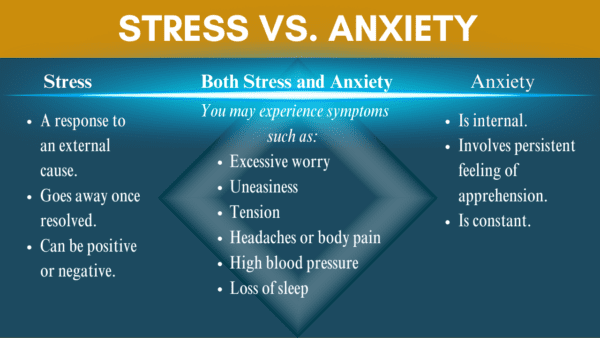
Is It Stress or Anxiety?

Mental Health Awareness Month

Everyone experiences stress, and sometimes that stress can feel overwhelming.

You may be at risk for an anxiety disorder if it feels like you can’t manage the stress and if the symptoms of your stress:

– Interfere with your everyday life.

– Cause you to avoid doing things.

– Seem to be always present.

Searching for a health care experience that is personalized, convenient, and comprehensive? Roots Health DPC has redefined the way health care is being delivered.

Practice Self-Care for your Mental Health: Build a toolbox full of healthy ways to cope

Simple, everyday actions:

schedule quiet time for meditation, yoga, or reading

spend a few minutes in nature, getting out to exercise, or playing a favorite song can help you feel grounded

stick to a sleep routine to ensure enough sleep

keep a journal

connect with others in your community

Do you avoid going to the doctor because it’s a hassle? At Roots Health DPC we have made it simple. Our focus is on you. We provide the care you deserve without the hassle. Set up a complimentary session to meet Dr. Diaz and learn more.

Tips for Early Detection of Skin Cancer

2023-05-15T14:01:40+00:00May 15th, 2023|Adults, Families, Family Medicine, Family Practice, Health Care, Public Health, Uncategorized|

What are the skin changes you should not ignore? Skin cancer is the most common form of cancer in the United States. Knowing how to do a skin self-exam and what the warning signs are for melanoma are the key for decreasing risk. Follow these tips to increase your chances of spotting skin cancer early, when it’s most treatable.

How to perform a skin self-exam

Examine your body in a full-length mirror-Examine your body front and back in a mirror, then look at the right and left sides with your arms raised.

Look at your underarms, forearms, and palms-Bend your elbows and look carefully at your forearms, underarms, and palms.

Look at your legs, between toes, and soles of your feet-Look at the backs of your legs and feet, the spaces between your toes, and the soles of your feet.

Use a hand mirror to examine your neck and scalp-Examine the back of your neck and scalp with a hand mirror. Part your hair for a closer look at your scalp.

Use a hand mirror to check your back and buttocks-Finally, check your back and buttocks with a hand mirror.

If you notice any new spots on your skin, spots that are different from others, or spots that are changing, itching or bleeding, make an appointment to see a board-certified dermatologist.

Get your FREE SKIN CANCER SCREENING IN MAY with board certified dermatologist, Dr Kiracofe!

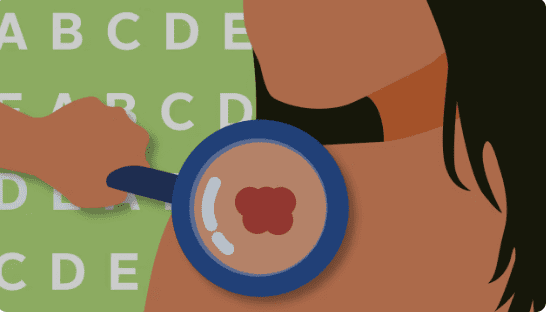
Remember the “ABCDE rule”

Note changes in moles or birthmarks that can be warning signs of melanoma, the deadliest form of skin cancer.

A-Asymmetry where one half looks different from the other

B-Borders of the mole that are irregular or not sharply demarcated

C-Color is varied from one area to another

D-Diameter over 6mm (the size of a pencil eraser)

E-Evolving or changing in size shape or color

Are you looking for High Quality health care with a board certified physician that you know and trust? Set up an initial complimentary consultation to learn more about how we always put patients first.

No waiting. Healthcare delivered when you need it.
Go to Top