

Affordable Medications

2023-08-28T12:51:05+00:00August 28th, 2023|Adults, Direct Primary Care, Families, Family Medicine, Family Practice, Health Care, Prescription Costs, Uncategorized|

Are Medications Affordable?

Medications do not need to be expensive.

Out-of-pocket costs for medications have skyrocketed.  We know patients are sick of trying to figure out how to get medications at a reasonable cost.  At Roots Health DPC, we are making medications easily affordable for our patients. How?

We buy medications at wholesale cost – and pass that value to our patients…without marking them up. We remove the middleman, pharmacy benefit managers/retail pharmacies, that come between patients and their medications. We have effectively lowered the cost of prescriptions by 50% to 90% for our patients.

Here are Just a few Examples of Medications for Under $5/month

Metformin

Ibuprofen

Lisinopril

Amlodipine

Sertraline/Zoloft

Lovastatin

Sumatriptan/Imitrex

Loratadine/Claritin

We’re rewriting the script on healthcare by offering medications directly to you at discounted rates.

A Simple Solution for a “Complex” Problem

DPC stands for Direct Primary Care – we deliver health care services, including medications, directly to our patients. We provide medications at discounted rates because we know everyone deserves fair pricing on the medications they require to stay healthy. We are uniquely qualified to partner with our patients to determine which medications will best treat their medical conditions and ensure they receive those medications at a reasonable price.

Learn more about how Roots Health DPC is transforming health care for the better.

Retinoids: Your Skin Care Essential

2023-08-21T13:14:56+00:00August 21st, 2023|Adults, Direct Primary Care, Families, Family Medicine, Health Care, Public Health|

Skin Care Routines: The Lowdown on Retinoids

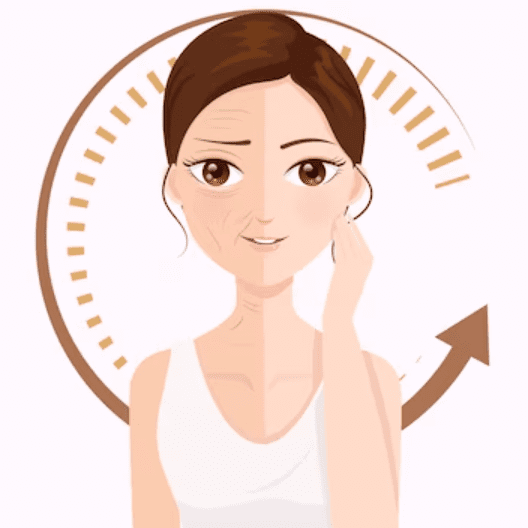
As we age, collagen production slows… causing wrinkles and signs of aging. Eating a diet rich in anti-oxidants, staying hydrated, using daily facial sunscreen and moisturizer are all critical components for a healthy skin care routine. Today we look at retinoids as a basic foundation for anti-aging skin care routines.

What are retinoids?

A derivative of vitamin A, retinoids can tackle everything from fine lines and pigmentation to acne. They achieve this by boosting the turnover rate of skin cells. Retinoids accelerate the rate of skin cell division and new cell growth which helps thicken the top layer. Retinols and other retinoids also work deep in the skin’s dermis layer to stimulate collagen and elastin production. These skin proteins naturally decrease with time, leading to thinning skin and other visible signs of aging. Boosting their production, then, allows retinoids to offer pro-aging support.

What’s Retinol?

When it comes to retinol and retinoids, plenty of people get a little confused — but with good reason. These two anti-aging ingredients aren’t entirely different. In fact, retinol is a sub-type of retinoid.

From reducing the appearance of wrinkles to easing the effects of sun damage retinoids can offer plenty of skin benefits. Retinoids most often describe more powerful prescription products, while retinol generally refers to weaker over-the-counter (OTC) formulas. OTC formulas tend to be less drying but they are still effective… if used consistently over long periods of time.

Feeling confident in our skin is an important part of well-being. At Roots Health DPC we support our patients on their wellness journey.

Should you use retinoid or retinol?

Before deciding, you’ll want to consider your skin type and the severity of the problem you’re trying to treat. Retinols are generally recommended for dry skin as they tend to be less drying and often are formulated with hydration ingredients.

Side effects of retinoids including irritation, redness, burning suggest an overly aggressive routine and can occur if you do not “ease your way” into retinoid use by starting slowly.

Contraindications to all retinoids include pregnancy, lactating, or trying to conceive.

How to use retinoids?

WHEN to put them into your skin care routine: at night after washing with a gentle cleanser. Start 3 nights per week and increase to daily after a few weeks if your skin can tolerate.

HOW to apply: use a pea-size amount when face is dry. Apply moisturizer afterward to avoid irritation. Using sunscreen on a daily basis is a MUST while applying retinoids.

ANYTHING ELSE? Check the ingredient list of your other skin care products, as retinoids can interact with other formulas and should not be used with benzoyl peroxide for example.

Combining retinoids with ethyl alcohol or acidic products, can dry out your skin and lead to redness and irritation.

If you have dry skin, creamier formulas can offer more hydration. If you have normal, oily, or combination skin, you might prefer a thinner gel consistency.

We are accepting a limited number of new patients.

Migraine Headaches

2023-08-07T13:38:06+00:00August 7th, 2023|Adults, Direct Primary Care, Families, Family Medicine, Family Practice, Health Care, Public Health|

Is it a Migraine Headache?

Migraines can cause throbbing pain, usually on one side of the head. These headaches are often accompanied by nausea, vomiting, and extreme sensitivity to light and sound. Attacks can last for hours to days, and the pain can interfere with daily activities.

What is an Aura?

A warning symptom, an aura, can occur before the headache. An aura might be visual disturbances, such as flashes of light, or other disturbances, like tingling on one side of the face, arm or leg or even difficulty speaking.

Risk Factors for Migraines

Family history: If you have a family member with migraines, then you have a good chance of developing them too.

Sex. Women are three times more likely than men to have migraines..

Age. Most people have their first migraine during adolescence, but migraines can start at any age, usually before age 40.

Hormonal changes. Headaches can begin around menstruation. They can change during pregnancy or menopause. Migraines generally improve after menopause.

Are you looking for a board-certified physician who you can just text to answer your medical questions when you don’t feel well?

Triggers for migraines

Certain Drinks and Foods . Alcohol and excess caffeine can trigger migraines.

Stress triggers migraines. Stress includes feeling overwhelmed at home or work. But you can also become stressed by exercising too much or not getting enough sleep.

Senses: Loud sounds, bright lights , or strong smells may trigger migraines.

Hormonal changes. Fluctuations in estrogen, such as around menstrual periods, pregnancy and menopause can worsen migraines.

Illness. Infections, such as the cold or the flu, may trigger migraines, especially in children.

Weather changes. A change of weather or barometric pressure can prompt a migraine.

Medications. Some medications, including oral contraceptives, can trigger migraines

Keeping a Journal of your migraine symptoms can be a key to treatment planning.

Do you recognize the value of high-quality board-certified care with a physician you trust and can reach easily?

health insurance does not equal health care

2023-07-31T15:23:27+00:00July 31st, 2023|Direct Primary Care, Public Health|

Health Insurance ≠ Health care

“I pay high monthly premiums for health insurance… shouldn’t it cover my health care costs?”

The reality is… it does not.

If you are like many, you are frustrated with the fact that you wait days to weeks to be seen and have additional out of pocket expenses every time you need to use your insurance card. These additional costs come in the form of copays and deductibles that can really add up quickly. Out of pocket expenses often approach thousands of dollars every year before your “insurance” will cover any costs. For example, if you need an MRI… you could end up paying thousands of dollars before your insurance will even start to cover any costs.

Discover how Roots Health Direct Primary Care can alleviate your frustrations of waiting for days or even weeks to be seen, and then deal with additional out-of-pocket expenses.

What is insurance for then?

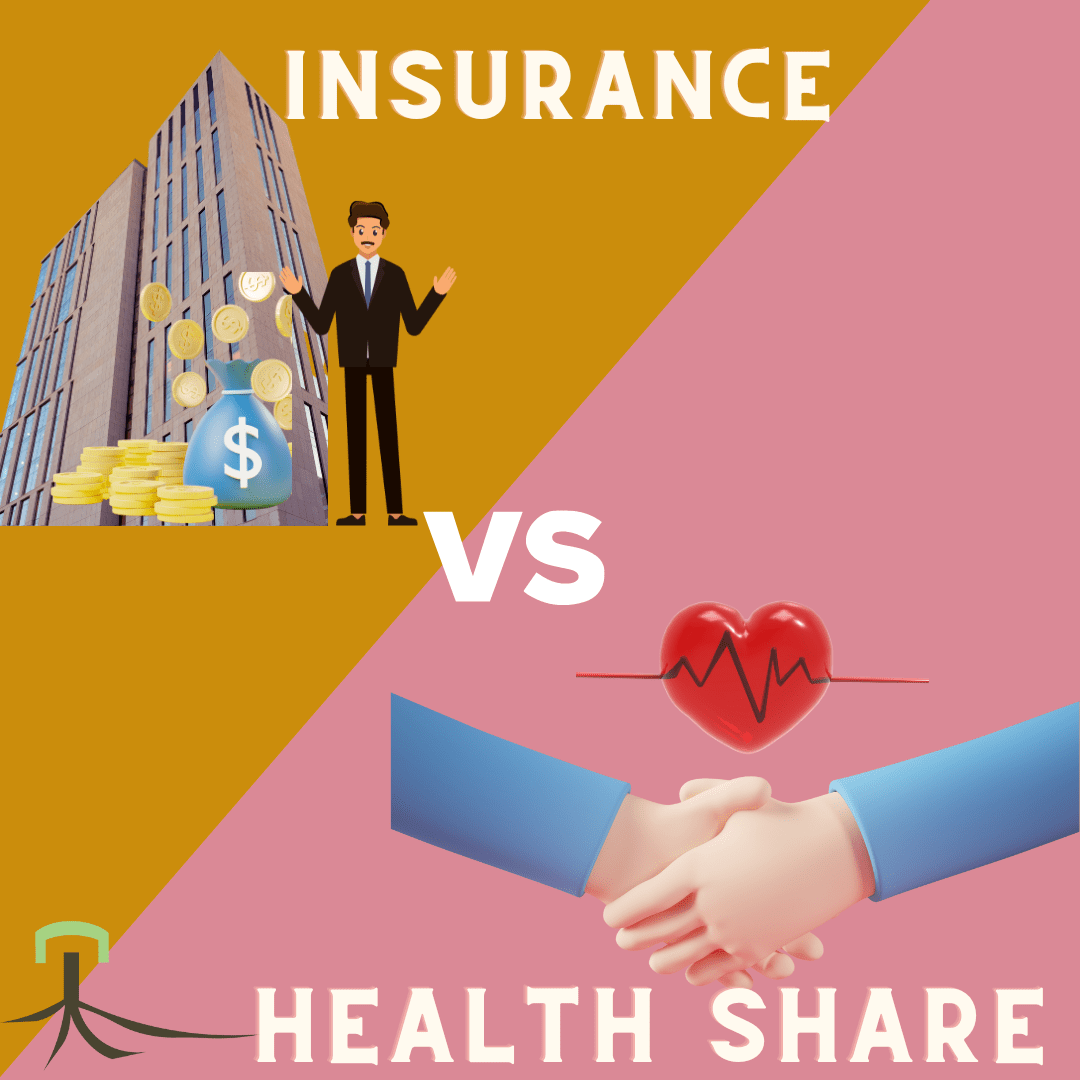
Like any insurance product… it protects against catastrophe. If you have an accident or illness that causes you to be hospitalized, you will need to be covered. What coverage you choose… whether a high deductible plan or a health share plan or other options is something that you, as a savvy consumer, will want to take the time to understand.

Auto insurance is an illustrative example. You would not use it to fill up the gas tank or change the oil. Why? If you made an insurance claim every time you filled up the gas, your car insurance premiums would sky rocket. The health insurance industry is one of the most profitable industries in the world for this reason. They have sold America on the belief that they need to use their health insurance card to get health care and this allows them to increase the premiums every time you pull out that card.

Insurance has become unaffordable for many. The number one leading cause of bankruptcy in the US is medical bills. Think about that. If values were aligned to provide people with products that kept them healthy… would the “thing” that is supposed to keep them well cause them financial ruin?

The reality is that Health Insurance does not equal health care.

There are many ways to insure against catastrophe that do not cost an arm and a leg. Better health care does not need to be expensive. DPC provides a simple straightforward health care solution that aligns the incentives to keep you well and get you the care you need. The care is higher quality: a direct relationship with your physician without all the “go-betweens.” The care is convenient: you have care when you need it without waiting. The care creates significant savings on out of pocket costs: Labs, medications, and imaging are provided at discounted pricing with MRIs starting at $250.00 and basic labs under $5.00 each.

People are choosing health care that serves them best.

Self Care

2023-07-24T14:45:13+00:00July 24th, 2023|Adults, Direct Primary Care, Family Medicine, Health Care|

Self Care is not Selfish

We all lead full lives, but are we really “too busy” to prioritize ourselves first? It can be hard to prioritize our own well-being when we have so many other seemingly “more important” obligations. Sometimes, it feels like there is “not enough time” to get it all done and some of us might just choose to skip the self-care piece. I have been in your shoes and had that thought… “I am just too busy.”

What if there was plenty of time? What would that feel like? What if you were able to focus your attention and spend time on the things that brought you joy intentionally? What if you did not just complete an endless “to do” task list but instead found meaning and purpose in all the activities of your day?

I understand how balancing parenting, work, and our own growth can seem impossible and leave you feeling like you cannot do a great job in one area without compromising other areas.

We all have unique circumstances and challenges that serve as a catalyst for our own personal growth and evolution ….and we do learn from those experiences… but WHAT we learn is what allows us to move forward in the direction of our dreams. The brain is an awesome organ… it is extremely malleable, teachable, and trainable. Questioning our thoughts and beliefs about what is “true” grants us the ability to adopt new habits that help us grow and thrive rather than merely survive.

Are you seeking healthcare that prioritizes an unhurried approach, offers comprehensive services, and ensures convenience?

“When my thinking changed, my life changed.”

When I look at my “to do list” today, I view it as something I “get to do” instead of something “I have to do.” I prioritize time for self-care and I become a more focused and productive participant in my own life. TIME is our most valuable resource. When we know exactly how we want to spend it, we can live a life filled with meaning and purpose.

Self-care is the foundation for success in all the areas of your life. Filling your own cup first so that you can serve others is not selfish…. it is necessary.

Interested in learning more? Dr Diaz takes a holistic approach to wellness at Roots Health DPC.

“The kissing disease”

2023-07-17T13:28:01+00:00July 17th, 2023|Adults, Direct Primary Care, Families, Family Medicine, Family Practice, Health Care, Public Health|

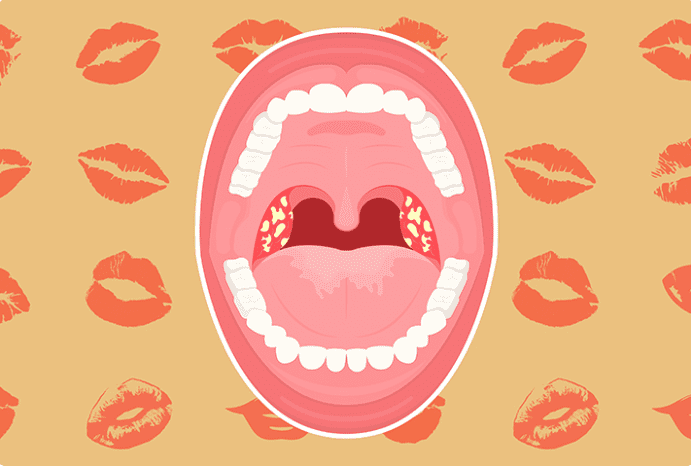
Mono, mononucleosis, is known as the “kissing disease.” This viral infection occurs in teens and young adults. It is spread through saliva and travels through groups living in close quarters, making outbreaks happen most frequently in dormitory living. It commonly causes a sore throat, but it can cause fatigue fever and swollen lymph nodes throughout the body.

What are the symptoms of mono?

Recognizing symptoms is essential for early diagnosis and effective care:

• Fatigue

• Fever

• Headache

• Muscle weakness

• Night sweats

• Sore throat

• Swollen lymph glands in your neck and/or underarms

• Swollen tonsils

Of note, these symptoms can be present in other diseases including Hodgkin’s Lymphoma, a type of cancer in young adults. It is important that you get an accurate diagnosis whenever you are sick. We recommend that you always seek care from your board-certified physician when it comes to your health and well-being.

Can you get into your board-certified physician quickly and easily when you need to see your doctor? At Roots Health DPC you can text your doctor directly for care when you need it.

What is the best care for Mono?

Supportive care is recommended generally to alleviate symptoms and facilitate smooth recovery. Most people recover from mono after about two weeks, though some symptoms may persist for longer.

Anti-inflammatory medications can help manage throat pain

Fluids to hydrate and nutrients to boost your immune system

Rest is crucial to prevent complications and aid recovery

Warm compresses to painful lymph nodes

Corticosteroids can be used in severe cases for tonsil swelling

Complications of mono include temporary inflammation of the liver (hepatitis), jaundice (yellowing of your skin and darkening of urine) or an enlarged or ruptured spleen.

Find Expert Board-Certified Care at Roots Health DPC Whenever You or Your Loved Ones Need Care.

Your Tiredness Explained

2023-07-10T14:05:23+00:00July 10th, 2023|Adults, Direct Primary Care, Family Medicine, Health Care, Public Health|

How tired is too tired?

What is the difference between “being tired” and the diagnosis of fatigue?

Tiredness happens to everyone — it’s expected after certain activities or at the end of the day. A good night’s sleep solves the problem.

Fatigue is an ongoing daily lack of energy: excessive whole-body tiredness not relieved by sleep. It can stop someone from functioning normally and affects a person’s quality of life.

What causes fatigue?

Lifestyle Factors. Taking an honest inventory of things that could be causing your fatigue is the first step toward relief.

Evaluating exercise, nutrition, alcohol use, and medications and routines can have an enormous impact on levels of fatigue.

Modifications can often dramatically impact levels of fatigue.

Medical Conditions. Speak to your doctor for an evaluation if you have fatigue.

Anemia: a common blood disorder that makes it hard for your blood to move oxygen to your organs. No oxygen, no energy.

Thyroid problems: this gland in your neck regulates your metabolism and energy levels. When the thyroid gland out of whack, you’re out of whack.

Depression: undiagnosed/untreated depression can rob your brain of the chemicals needed to work at its best.

Many other medical conditions including: Infections, Sleep Apnea, and Heart or Lung Disease can manifest the symptom of fatigue as well.

Recap:

Fatigue is never normal. Get back to living the life you want to live…seek care from your physician and get to the root cause of the problem so that you can start recovering and boost your energy levels.

Looking for a physician who listens and takes the time to answer all of your questions? At Roots Health DPC we offer unrushed comprehensive visits. Your wellness is our priority.

Direct Primary Care Benefits Your Small Business Healthcare

2023-07-03T22:25:09+00:00July 3rd, 2023|Adults, Direct Primary Care, Employers, Health Care, Membership|

5 Reasons Why Direct Primary Care is a Good Health Care Solution for Your Small Business

Introduction:

As a small business owner, providing comprehensive healthcare benefits to your employees is crucial. However, navigating the complexities of traditional healthcare options can be daunting and costly. There is an innovative approach that is now a viable alternative. It’s called Direct Primary Care (DPC) and today we look at how it might be a smart choice for your small business.

1. DPC saves you and your employees money:

One of the most significant advantages of DPC is its ability to lower healthcare costs for both employers and employees. With DPC, employees pay a flat monthly fee for access to primary care and urgent care services, eliminating the burden of copays and deductibles. By providing affordable, comprehensive care, DPC encourages employees to seek timely medical attention, avoiding costly emergency room visits. This cost-effective approach leads to significant savings for your business and your employees.

2. DPC Provides Timely and Convenient Care:

DPC Provides Timely and Convenient Care: In addition to cost savings, DPC offers enhanced convenience for your employees. With regular business hours, as well as after-hours, weekend, and holiday availability, employees can access primary care services when they need them the most. The ability to reach their primary care providers through phone calls or text messages ensures timely medical advice and eliminates the need for unnecessary emergency room visits or long waits. This convenient access to quality care fosters a healthier workforce and minimizes absenteeism, thereby boosting overall productivity.

3. DPC Improves Productivity with a Healthier Workforce:

By offering DPC as a healthcare option, you empower your employees to take control of their health proactively. Without the barriers of copays and annual premium increases, employees can easily seek primary care services for minor illnesses or medical issues. Through telemedicine or phone consultations, many health concerns can be addressed without requiring in-person visits. This approach reduces time away from work, promotes employee well-being, and enhances productivity within your small business.

4. DPC Enhances Your Benefits Package and Company Culture:

In today’s competitive job market, attracting and retaining talented employees is vital. By offering DPC as part of your benefits package, you differentiate your business and create a more appealing work environment. The cost savings associated with DPC enable you to provide competitive health benefits while reducing your overhead. By demonstrating your commitment to employee wellness and personalized healthcare experiences, you cultivate a positive company culture that fosters loyalty and engagement among your workforce.

5. DPC Helps Attract and Retain Talented Employees:

Studies have shown that access to DPC healthcare through an employer is a significant factor in employee satisfaction and retention. By providing personalized healthcare experiences and promoting a healthier and happier workforce, your small business becomes an attractive employer of choice. Furthermore, DPC allows for easy inclusion of employees’ spouses and children, offering comprehensive care for their entire families. This inclusive approach further strengthens your employee benefits package and sets your small business apart from the competition.

In Summary:

Direct Primary Care (DPC) presents small businesses with a compelling alternative to traditional healthcare models. By offering cost-effective care, convenient access, improved productivity, and a competitive benefits package, DPC can be a win-win solution for both employers and employees. Embracing this innovative approach demonstrates your commitment to employee well-being and positions your small business for long-term success in today’s dynamic business landscape. Explore DPC as a valuable option for your business and reap the benefits of high quality health care at a fraction of the price of traditional health insurance for your company.

Learn more about how DPC offers employers an health care solution that works. Receive a complimentary analysis for your business health care needs now.

Unlocking the Secrets of Incontinence: Reclaiming Control and Confidence

2023-06-26T13:24:40+00:00June 26th, 2023|Adults, Direct Primary Care, Family Medicine, Family Practice, Health Care|

Drips and Leaks…

what is urinary incontinence?

Urinary incontinence is the accidental loss of urine. It is more common than most people are aware of.  25 million adult Americans experience temporary or chronic urinary incontinence. It can range from the discomfort of slight losses of urine to severe, frequent wetting.

What causes urinary incontinence and what to do about it?

It is caused by specific changes in body function that may result from diseases, use of medications and/or the onset of an illness. Women are most likely to develop urinary incontinence during pregnancy and after childbirth, or after the hormonal changes of menopause.

Although these conditions are incredibly common, women often suffer in silence. Some find these symptoms embarrassing and refrain from discussing them with friends or family members. Women should understand that leakage is NOT a normal part of aging and that goals of treatment include minimizing and eliminating the need for the use of pads as a self-management strategy.

Fortunately, the diagnosis and treatment of incontinence can dramatically improve the quality of life of women who suffer from these conditions.

Are you looking for health care that is unrushed, comprehensive, and convenient? Direct Primary Care makes health care simple.

How is urinary incontinence diagnosed?

Urinary incontinence is not normal and it is important to consult with your doctor. Urinary incontinence is diagnosed with a complete physical examination that focuses on the urinary and nervous systems, reproductive organs, and urine samples.

The common types of urinary incontinence are:

  • Stress incontinence—With stress incontinence, urine leakage occurs when the bladder is under pressure, such as when a person laughs, coughs, sneezes or exercises.
  • Urge incontinence—Urge incontinence involves a strong, sudden urge to urinate that results in leakage. These types of incontinence are defined by their causes. Many women may experience a combination of both stress and urge incontinence — a condition commonly referred to as mixed urinary incontinence.
  • Mixed Incontinence- A combination of both types

What is the treatment for urinary incontinence?

Specific treatment for urinary incontinence will be determined by your doctor based on what type of incontinence it is, the extent of the symptoms, any underlying medical conditions, and patient preference.

Treatments may include:

  • Behavioral therapies: such as bladder training or toileting routines
  • Diet modifications: Eliminating bladder irritants, such as caffeine, alcohol and citrus fruits.
  • Pelvic muscle rehabilitation: to improve pelvic muscle tone and prevent leakage and possibly biofeedback as well as vaginal weight training.
  • Medication : vaginal estrogens and anticholinergics
  • Modifying contributory factors: weight loss, eliminate medication side effects, treat constipation
  • Office procedures, Pessary, Surgery

Each person deserves an individualized consult with their physician regarding symptoms, diagnosis, and management for urinary incontinence.

Are you looking for a physician that takes the time to listen and gets solutions that work for you? We are accepting a limited number of new patients.

Recognizing Emergency Warning Signs For Headaches

2023-06-19T14:46:18+00:00June 19th, 2023|Adults, Direct Primary Care, Family Medicine, Health Care, Public Health|

Headaches Unveiled

Headaches are common… but What are the Emergency Warning Signs that tell you to seek care Immediately?

Almost everyone has had a headache at some point.  Headaches can be due something as simple as uncontrolled allergies to something as serious as a life-threatening aneurysm. 

Here we review the most common headache causes AND what the most concerning warning signs are that help you know when you should seek immediate care.

You never have to think about avoiding the hassle or going down the google rabbit hole again. Roots Health DPC makes health care simple and convenient for you and your family to just call or text your doctor.

The most common type of headaches is “tension-type” headaches.

Tension-Type headaches are most often caused by one of the following:

  • excessive caffeine intake
  • alcohol intake
  • vision problems

Correcting the underlying problem relieves these headaches.

When should I be concerned about a headache?

Headaches can be a sign of a life-threatening emergency. The following signs are reasons to seek care immediately:

  • It is the all-time worst headache ever
  • The headache is worst upon waking
  • There was loss of consciousness
  • Uncontrollable vomiting
  • Loss of vision

Patients at Roots Health DPC get the care they need when they need. You deserve to have high quality health care that you can rely on. Avoid the hassle of the traditional health care system. Enroll today. Space is limited.

No waiting. Healthcare delivered when you need it.
Go to Top