

About guest_editor

This author has not yet filled in any details.
So far guest_editor has created 145 blog entries.

Your Breast Cancer Screening Plan

2023-10-16T12:52:45+00:00October 16th, 2023|Adults, Direct Primary Care, Family Medicine, Family Practice, Health Care|

Breast Cancer Awareness Month – Screening

One out of eight women will be diagnosed with breast cancer. Do you know which screening test is best and when to start screening for breast cancer?

We are fostering awareness and prioritizing breast health.

There are many different screening tests for breast cancer and are varying recommendations from different organizations. Education with individualized planning (based on your personal risk for breast cancer) can help determine the best screening test for you.

-Mammography is the most common screening test for breast cancer
A mammogram is a low-dose X-ray of your breasts and can find cancer early.
Different experts have varying advice for when to initiate screening and how frequently to screen average-risk women ages 40 to 49. Everyone agrees that minimum screening should occur at least every 2 years between ages of 50-74.
For average-risk women screening mammography can be performed every one to two years based on patient preference.
-Magnetic resonance imaging (MRI) may be used to screen women who have a high risk of breast cancer
MRI is a procedure that uses a magnet, radio waves, and a computer to make a series of detailed pictures. MRI does not use any x-rays and there is no exposure to radiation.

Ultrasound is used in women with moderately increased risk factors (based on breast density, reproductive history, and hormonal history), breast ultrasound in conjunction with mammogram or a MRI can be considered on an individual basis.


Empower Your Breast Health: Discover the Best Screening Options

Breast Cancer Awareness

2023-10-09T15:41:49+00:00October 9th, 2023|Adults, Direct Primary Care, Family Medicine, Health Care, Public Health|

October is Breast Cancer Awareness Month

Many of us have been touched by knowing someone with breast cancer. It is, after all, is the most frequently diagnosed cancer and leading cause of cancer death in women.

We are raising awareness and prioritizing breast health.

Education is the Key to Prevention
Know the risk factors associated with an INCREASED risk for breast cancer:
  • Hormonal factors influence your risk for breast cancer. Speak with your physician about your personal risk associated with hormonal therapies.
  • Reproductive factors associated with a higher breast cancer risk include earlier onset of menstruation, not giving birth or having first child later in life, and a late menopause.
  • Family history and genetic mutations. The risk of breast cancer is affected by the number of first-degree female relatives diagnosed with breast cancer and the age at which they were diagnosed.
  • The highest breast cancer risk occurs among White women (although it remains he most common cancer among women of every major ethnic/racial group).
Know how to DECREASE your risk for breast cancer:
  • Breastfeeding. For every 12 months of breastfeeding there is an approximate 4% reduction in the relative risk of breast cancer.
  • Increased physical activity at all ages lowers risk.
  • Routine screening and regular self-breast exams

Empower yourself to take proactive steps for your breast health and well-being.

Give yourself the gift of TIME

2023-09-25T12:57:16+00:00September 25th, 2023|Uncategorized|

Your TIME is VALUABLE

YOUR TIME is the most valuable resource you have. Give yourself the gift of TIME.
You work hard to balance time between your career and your family. When one of your own has a health concern that “pops up” or just needs to be scheduled …. trying to figure out the how, where, and when to get the issue addressed can literally take hours, and even days, from your routine.
I get it. I’m a working mom and I know what it is like to balance work and family, to “carry” the mental load, and then…. to put “one more thing” on your plate. My job is to take that stress off your plate.
“My son has a sore throat and fever…. I have placed a call to his doctor’s office and am waiting for a call back….”
When you have medical concerns, the last thing you need is to pile on more stress. Let me help! My patients reach out to me, their physician, directly via text at any time of day. They get answers to the questions they have about their health immediately and can take the next steps and get back to their busy lives.

We also offer telemedicine so you can get care wherever you are.

“My daughter cut open her foot. Do I take her to urgent care or ER and wait to be seen?”
I don’t know anyone who has time to wait around for a return call from the doctor’s office or wait into a waiting room. We take care of this for you…. without the wait!
“I am experiencing a constant feeling of being tired… but I just put off going to see the doctor because it is so hard to get an appointment and the visit takes up half my day.”
Let us make going to the doctor as easy as booking a time that works perfectly for your schedule and then coming in to be seen. We don’t have a “waiting room.”

THIS IS NOT too good to be true!

See for yourself how Direct Primary Care works… and get all your questions answered

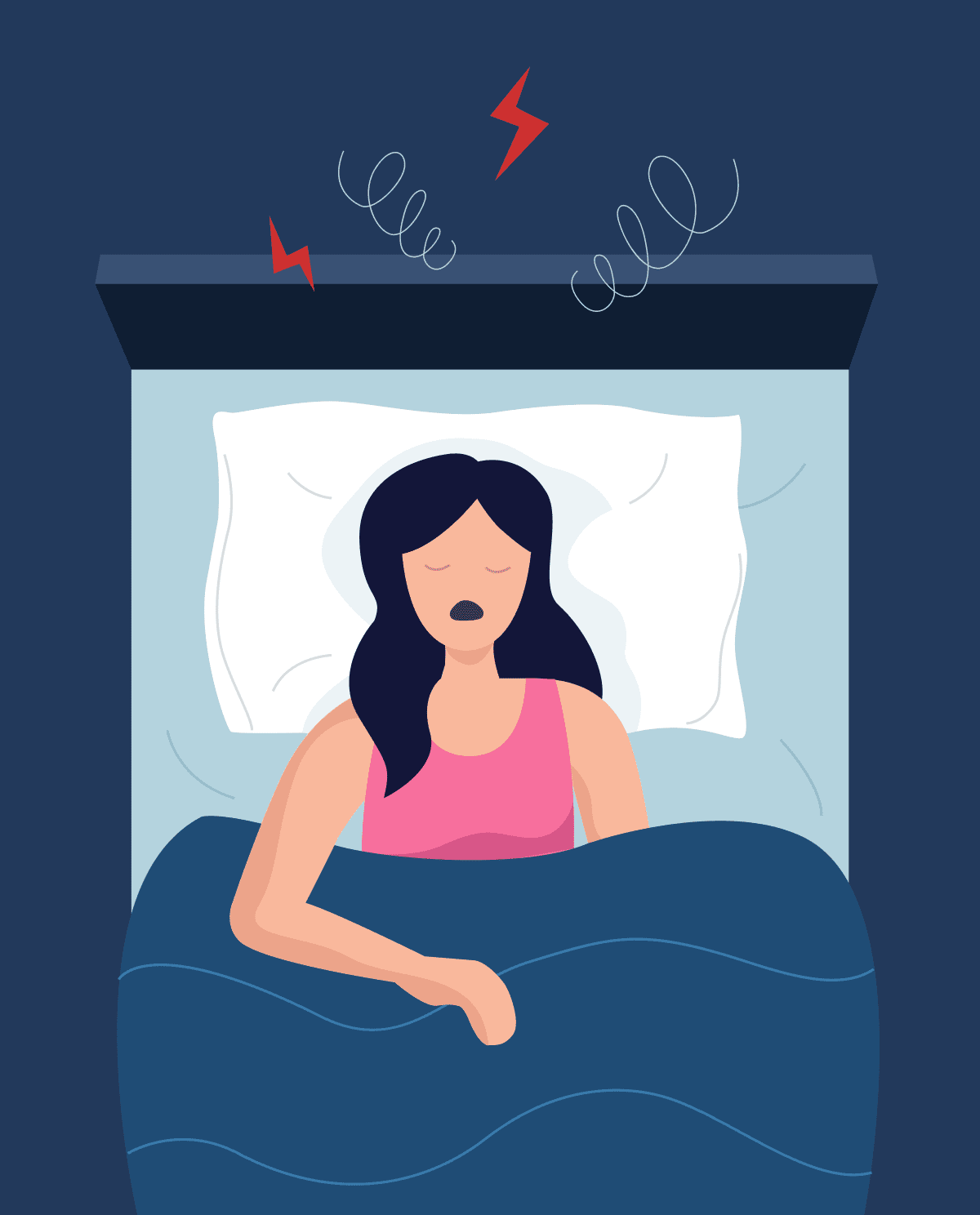
What you need to know about Sleep Apnea

2023-09-18T12:40:24+00:00September 18th, 2023|Uncategorized|

SLEEP APNEA

Did you know that daytime fatigue, trouble concentrating, headaches, and many other symptoms can be caused by sleep apnea?

Learn about sleep apnea and signs that it might be affecting your health.

Sleep apnea is commonly under-diagnosed . Education is key.

What are the symptoms of sleep apnea?
Snoring is the most obvious sign and more common in men. Other signs and symptoms of OSA (Obstructive Sleep Apnea) include:
  • Daytime sleepiness or fatigue
  • Restlessness during sleep, frequent nighttime awakenings
  • Sudden awakenings with a sensation of gasping or choking
  • Dry mouth or sore throat upon awakening
  • Cognitive impairment, such as trouble concentrating, forgetfulness or irritability
  • Mood disturbances (often dismissed as depression or anxiety which can co-exist with sleep apnea)
  • Night sweats
  • Frequent nighttime urination
  • Sexual dysfunction
  • Headaches

Diagnosis and treatment for sleep apnea are extremely important for your long term health.

How is sleep apnea diagnosed?

Speak with your primary care physician about your symptoms suggestive of sleep apnea. An overnight sleep study can objectively evaluate for sleep apnea.

How is sleep apnea treated?
The treatment for sleep apnea is extremely individualized and based on the underlying cause. Conservative therapies targeting the underlying cause may include:
  • Weight loss
  • Sleep position changes
  • Treatment for underlying sinus or nasal congestion
  • CPAP (continuous positive airway pressure) machines or other mechanical therapy
  • Dental appliances that keep the airway open
  • Surgical procedures are usually reserved for unresponsive cases

Want a physician who has enough time to fully evaluate your health concerns and get to the root cause of your symptoms? Schedule a FREE “Meet and Greet” at Roots Health DPC.

How Prioritizing Your Well-Being Can Transform Your Life

2023-09-11T14:01:00+00:00September 11th, 2023|Adults, Direct Primary Care, Mental Health|

MIND over MATTER

We all lead full lives, but are we really “too busy” to prioritize ourselves first? It can be hard to prioritize our own well-being when we have so many other seemingly “more important” obligations. Sometimes, it feels like there is “not enough time” to get it all done and some might just choose to skip the self-care piece. I have been in your shoes and had that thought… “I am just too busy.”

What if there was plenty of time? What would that feel like?

Would you focus your attention and spend time on the things that brought you joy intentionally? Would the endless “to do” task list in life feel less like a “checklist” burden and instead become a source of meaning and purpose in all the activities of your day?

I understand how balancing parenting, work, and our own growth can seem impossible and leave you feeling like you cannot do a great job in one area without compromising other areas.

We all have unique challenges that serve as a catalyst for our own personal growth and evolution ….and we learn from those experiences.… but WHAT we learn is actually the most important. Alone, we are limited… we can only teach ourselves what we already know. But the brain is truly an amazing organ… it is malleable, teachable, and trainable. Our thoughts and perspective actually have the ability to completely change our lives even when our circumstances remain pretty much the same. Questioning our thoughts and beliefs about what is “true” gives us the ability to adopt new habits that help us grow and thrive rather than merely survive. Knowing that “what we focus on grows” gives us the gift of being able to gather up our experiences from the past and move forward in the direction of our dreams.

Ready to Embrace Positive Change and Unleash Your Full Potential?

Take the First Step Toward a Life Filled with Meaning and Purpose!

“When my thinking changed, my life changed.”

When I look at my “to do list” today, I view it as something I “get to do” instead of something “I have to do.” I prioritize time for self-care and self-development and become a more focused and productive participant in my own life. TIME is our most valuable resource. When we know exactly how we want to spend it, we can live a life filled with meaning and purpose.

Self-care is the foundation for success in all the areas of your life. Filling your own cup first so that you can serve others is not selfish…. it is necessary.

Self-care is the foundation for success in all the areas of your life. Filling your own cup first so that you can serve others is not selfish…. it is necessary.

Discover Health Sharing Plans (HSP)

2023-09-04T13:25:27+00:00September 4th, 2023|Adults, Community, Direct Primary Care, Health Care, Public Health, Uncategorized|

Navigating Health Care Alternatives:

Health Sharing Plans and Direct Primary Care

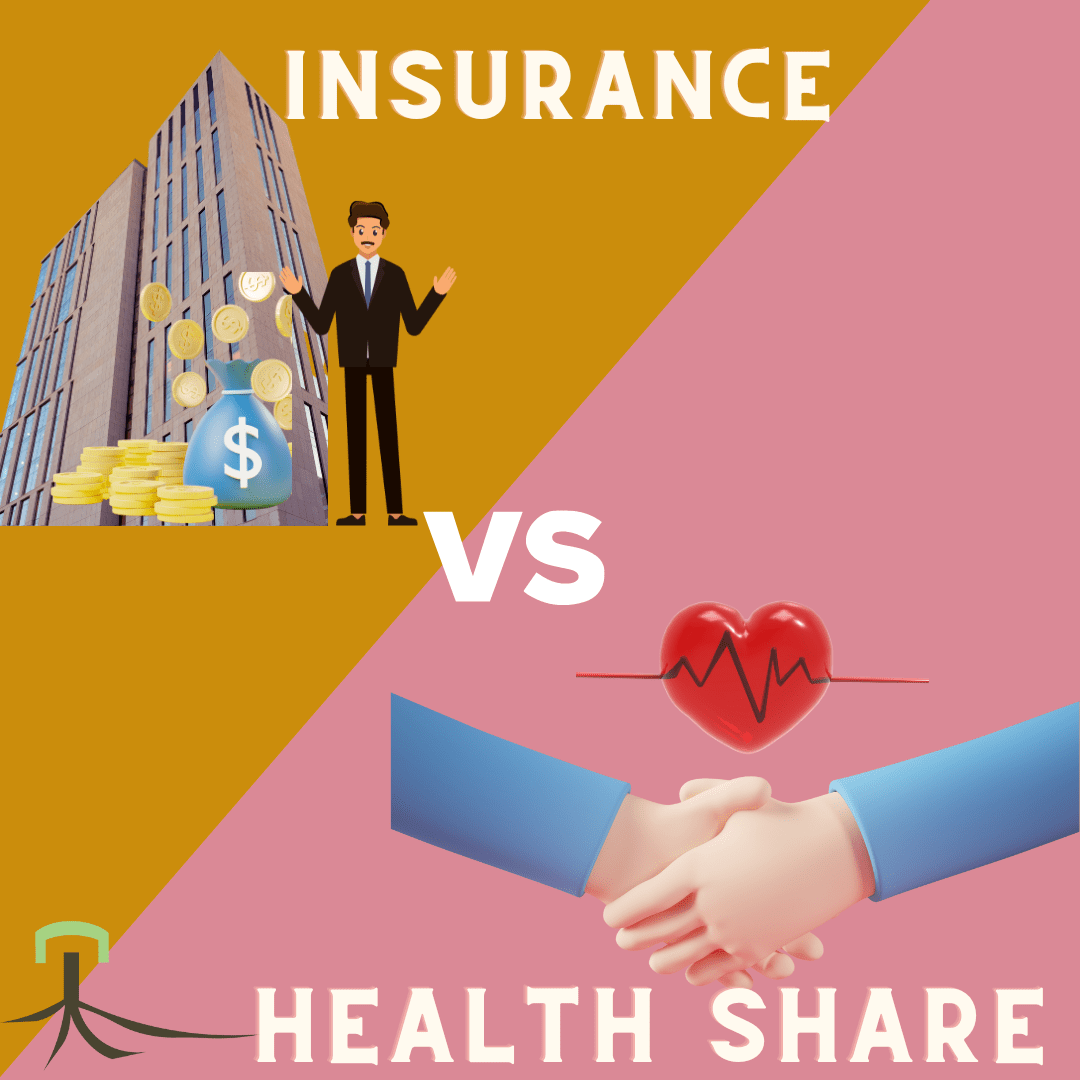
Insurance costs are increasing and have become a growing source of stress for individuals and families.  Many are not aware there is another alternative—and it’s called health care sharing plans. Health sharing plans (HSP), also known as medical cost sharing, can save you and your family a lot of money on healthcare. We review the basics of these plans and explore how they differ from traditional insurance coverage.

WE are doing health care differently at Roots Health Direct Primary Care…..

Health Sharing Plans (HSP): How It Works

Members in an HSP “share” medical costs. As part of an HSP, you are responsible for paying an initial unshareable amount (IUA) each month (like a premium). There is also an “annual unshared amount” (like a deductible) that your medical expenses must exceed before the plan shares your expenses.

Health care sharing can be great for people who:

  • Are generally in good health
  • Are not eligible for a tax credit based on income
  • Lack access to insurance through an employer or government program
  • Only want/need catastrophic coverage
  • Can’t afford current health insurance premiums

HSP vs Health Insurance

The Pros:

  • HCP counts as insurance under the Affordable Care Act (ACA), even though they are not insurance. This allows for affordable healthcare benefits while avoiding the tax penalty for going uninsured.
  • HSP are provided at a much lower monthly cost.
  • The annual “unshared amount” is much, much lower than deductibles for insurance plans.
  • You have any choice of provider. There are no network requirements. If you pay out-of-pocket, health sharing plans reimburse your expense.

The Cons:

  • Health care sharing plans are not required to cover pre-existing conditions at the time of enrollment such as cancer, diabetes, or smoking. Those who have them may be declined membership or won’t have the conditions fully covered for a year or more.
  • Health care sharing also doesn’t typically cover the essential health benefits like wellness exams or mental health counseling.

HSP and Direct Primary Care work well together

The DPC will meet vast majority of a person’s primary health care needs and any urgent care needs for a low monthly fee without copays or deductibles. DPC will ensure access to high quality low cost laboratories, medications , and consultations with specialists. You receive higher quality care with better access to your physician without waiting.

Experience Comprehensive Care Now at Roots Health DPC

Affordable Medications

2023-08-28T12:51:05+00:00August 28th, 2023|Adults, Direct Primary Care, Families, Family Medicine, Family Practice, Health Care, Prescription Costs, Uncategorized|

Are Medications Affordable?

Medications do not need to be expensive.

Out-of-pocket costs for medications have skyrocketed.  We know patients are sick of trying to figure out how to get medications at a reasonable cost.  At Roots Health DPC, we are making medications easily affordable for our patients. How?

We buy medications at wholesale cost – and pass that value to our patients…without marking them up. We remove the middleman, pharmacy benefit managers/retail pharmacies, that come between patients and their medications. We have effectively lowered the cost of prescriptions by 50% to 90% for our patients.

Here are Just a few Examples of Medications for Under $5/month

Metformin

Ibuprofen

Lisinopril

Amlodipine

Sertraline/Zoloft

Lovastatin

Sumatriptan/Imitrex

Loratadine/Claritin

We’re rewriting the script on healthcare by offering medications directly to you at discounted rates.

A Simple Solution for a “Complex” Problem

DPC stands for Direct Primary Care – we deliver health care services, including medications, directly to our patients. We provide medications at discounted rates because we know everyone deserves fair pricing on the medications they require to stay healthy. We are uniquely qualified to partner with our patients to determine which medications will best treat their medical conditions and ensure they receive those medications at a reasonable price.

Learn more about how Roots Health DPC is transforming health care for the better.

Retinoids: Your Skin Care Essential

2023-08-21T13:14:56+00:00August 21st, 2023|Adults, Direct Primary Care, Families, Family Medicine, Health Care, Public Health|

Skin Care Routines: The Lowdown on Retinoids

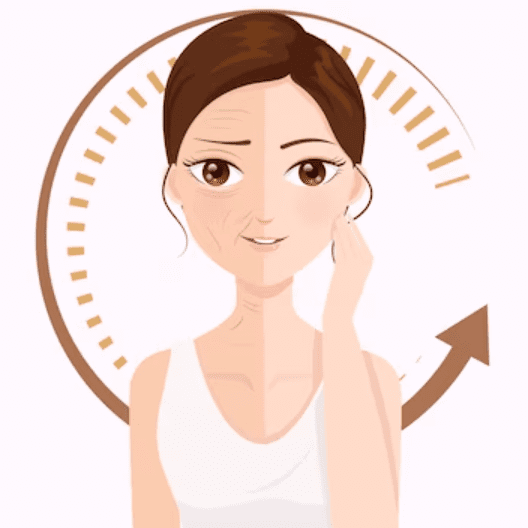
As we age, collagen production slows… causing wrinkles and signs of aging. Eating a diet rich in anti-oxidants, staying hydrated, using daily facial sunscreen and moisturizer are all critical components for a healthy skin care routine. Today we look at retinoids as a basic foundation for anti-aging skin care routines.

What are retinoids?

A derivative of vitamin A, retinoids can tackle everything from fine lines and pigmentation to acne. They achieve this by boosting the turnover rate of skin cells. Retinoids accelerate the rate of skin cell division and new cell growth which helps thicken the top layer. Retinols and other retinoids also work deep in the skin’s dermis layer to stimulate collagen and elastin production. These skin proteins naturally decrease with time, leading to thinning skin and other visible signs of aging. Boosting their production, then, allows retinoids to offer pro-aging support.

What’s Retinol?

When it comes to retinol and retinoids, plenty of people get a little confused — but with good reason. These two anti-aging ingredients aren’t entirely different. In fact, retinol is a sub-type of retinoid.

From reducing the appearance of wrinkles to easing the effects of sun damage retinoids can offer plenty of skin benefits. Retinoids most often describe more powerful prescription products, while retinol generally refers to weaker over-the-counter (OTC) formulas. OTC formulas tend to be less drying but they are still effective… if used consistently over long periods of time.

Feeling confident in our skin is an important part of well-being. At Roots Health DPC we support our patients on their wellness journey.

Should you use retinoid or retinol?

Before deciding, you’ll want to consider your skin type and the severity of the problem you’re trying to treat. Retinols are generally recommended for dry skin as they tend to be less drying and often are formulated with hydration ingredients.

Side effects of retinoids including irritation, redness, burning suggest an overly aggressive routine and can occur if you do not “ease your way” into retinoid use by starting slowly.

Contraindications to all retinoids include pregnancy, lactating, or trying to conceive.

How to use retinoids?

WHEN to put them into your skin care routine: at night after washing with a gentle cleanser. Start 3 nights per week and increase to daily after a few weeks if your skin can tolerate.

HOW to apply: use a pea-size amount when face is dry. Apply moisturizer afterward to avoid irritation. Using sunscreen on a daily basis is a MUST while applying retinoids.

ANYTHING ELSE? Check the ingredient list of your other skin care products, as retinoids can interact with other formulas and should not be used with benzoyl peroxide for example.

Combining retinoids with ethyl alcohol or acidic products, can dry out your skin and lead to redness and irritation.

If you have dry skin, creamier formulas can offer more hydration. If you have normal, oily, or combination skin, you might prefer a thinner gel consistency.

We are accepting a limited number of new patients.

Effective Migraine Treatments

2023-08-14T13:00:08+00:00August 14th, 2023|Adults, Family Medicine, Health Care, Public Health|

Treating Migraines: What works?

What medicines can help relieve migraine pain?

There are 2 main categories of medications for migraine treatments: abortive and preventive.

Abortive treatments focus on stopping the headache from becoming severe and relieve the headache pain. These treatments are best started as soon as the migraine is first noticed to be starting.

Preventive treatments are medicines that are taken daily to reduce how often headaches occur and aim to decrease the frequency of migraines.


Migraine diagnosis and treatment planning is unique and individualized based on symptoms and co-existing conditions.

Speaking to your physician about your migraines is imperative. When patients at Roots Health DPC have a migraine they know they can call or text their physician anytime and adjust the treatment as needed. Can you get ahold of your doctor when you need health care?

Once you have identified migraine triggers and made lifestyle changes, if your migraines are still affecting your well-being there are a plethora of options to review with your physician. We review a few of them briefly here.

Abortive Medications: Medications used to relieve migraine pain work best when taken at the first sign of an oncoming migraine — as soon as symptoms of a migraine begin.

Abortive medications include:

-Over the Counter Migraine relief medications that combine caffeine, aspirin and acetaminophen (Excedrin Migraine) may be helpful against mild migraine pain.

-Triptans: Class of meds including sumatriptan (Imitrex) and rizatriptan (Maxalt) treat migraines and are taken as pills, shots or nasal sprays.

-Dihydroergotamine (Migranal): Available as nasal spray or injection.

Others: Lasmiditan (Reyvow) an oral tablet, Gepants class including Ubrogepant (Ubrelvy), and Zavegepant (Zavzpret) a nasal spray.

Preventive medications. These types of drugs are taken regularly, often daily, to reduce the severity or frequency of migraines.

Preventative Options include:

-Blood pressure-lowering medications: beta blockers such as propranolol and metoprolol. Calcium channel blockers such as verapamil.

-Antidepressants. A tricyclic antidepressant, amitriptyline.

-Anti-seizure drugs. Valproate and topiramate (Topamax).

-Botox injections. Injections about every 12 weeks help prevent migraines in some adults.

Others: Calcitonin gene-related peptides (CGRP) monoclonal antibodies are newer medicines given monthly or quarterly by injection, some gepants are used daily.

If you are looking for board-certified physician care that takes time to address all of your health care needs in a comprehensive manner…. Schedule an introductory call today.

Migraine Headaches

2023-08-07T13:38:06+00:00August 7th, 2023|Adults, Direct Primary Care, Families, Family Medicine, Family Practice, Health Care, Public Health|

Is it a Migraine Headache?

Migraines can cause throbbing pain, usually on one side of the head. These headaches are often accompanied by nausea, vomiting, and extreme sensitivity to light and sound. Attacks can last for hours to days, and the pain can interfere with daily activities.

What is an Aura?

A warning symptom, an aura, can occur before the headache. An aura might be visual disturbances, such as flashes of light, or other disturbances, like tingling on one side of the face, arm or leg or even difficulty speaking.

Risk Factors for Migraines

Family history: If you have a family member with migraines, then you have a good chance of developing them too.

Sex. Women are three times more likely than men to have migraines..

Age. Most people have their first migraine during adolescence, but migraines can start at any age, usually before age 40.

Hormonal changes. Headaches can begin around menstruation. They can change during pregnancy or menopause. Migraines generally improve after menopause.

Are you looking for a board-certified physician who you can just text to answer your medical questions when you don’t feel well?

Triggers for migraines

Certain Drinks and Foods . Alcohol and excess caffeine can trigger migraines.

Stress triggers migraines. Stress includes feeling overwhelmed at home or work. But you can also become stressed by exercising too much or not getting enough sleep.

Senses: Loud sounds, bright lights , or strong smells may trigger migraines.

Hormonal changes. Fluctuations in estrogen, such as around menstrual periods, pregnancy and menopause can worsen migraines.

Illness. Infections, such as the cold or the flu, may trigger migraines, especially in children.

Weather changes. A change of weather or barometric pressure can prompt a migraine.

Medications. Some medications, including oral contraceptives, can trigger migraines

Keeping a Journal of your migraine symptoms can be a key to treatment planning.

Do you recognize the value of high-quality board-certified care with a physician you trust and can reach easily?

No waiting. Healthcare delivered when you need it.
Go to Top