

Migraine Headaches

2023-08-07T13:38:06+00:00August 7th, 2023|Adults, Direct Primary Care, Families, Family Medicine, Family Practice, Health Care, Public Health|

Is it a Migraine Headache?

Migraines can cause throbbing pain, usually on one side of the head. These headaches are often accompanied by nausea, vomiting, and extreme sensitivity to light and sound. Attacks can last for hours to days, and the pain can interfere with daily activities.

What is an Aura?

A warning symptom, an aura, can occur before the headache. An aura might be visual disturbances, such as flashes of light, or other disturbances, like tingling on one side of the face, arm or leg or even difficulty speaking.

Risk Factors for Migraines

Family history: If you have a family member with migraines, then you have a good chance of developing them too.

Sex. Women are three times more likely than men to have migraines..

Age. Most people have their first migraine during adolescence, but migraines can start at any age, usually before age 40.

Hormonal changes. Headaches can begin around menstruation. They can change during pregnancy or menopause. Migraines generally improve after menopause.

Are you looking for a board-certified physician who you can just text to answer your medical questions when you don’t feel well?

Triggers for migraines

Certain Drinks and Foods . Alcohol and excess caffeine can trigger migraines.

Stress triggers migraines. Stress includes feeling overwhelmed at home or work. But you can also become stressed by exercising too much or not getting enough sleep.

Senses: Loud sounds, bright lights , or strong smells may trigger migraines.

Hormonal changes. Fluctuations in estrogen, such as around menstrual periods, pregnancy and menopause can worsen migraines.

Illness. Infections, such as the cold or the flu, may trigger migraines, especially in children.

Weather changes. A change of weather or barometric pressure can prompt a migraine.

Medications. Some medications, including oral contraceptives, can trigger migraines

Keeping a Journal of your migraine symptoms can be a key to treatment planning.

Do you recognize the value of high-quality board-certified care with a physician you trust and can reach easily?

“The kissing disease”

2023-07-17T13:28:01+00:00July 17th, 2023|Adults, Direct Primary Care, Families, Family Medicine, Family Practice, Health Care, Public Health|

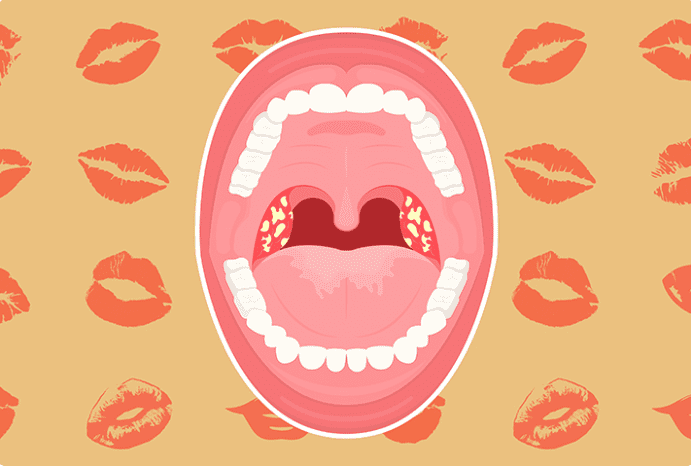
Mono, mononucleosis, is known as the “kissing disease.” This viral infection occurs in teens and young adults. It is spread through saliva and travels through groups living in close quarters, making outbreaks happen most frequently in dormitory living. It commonly causes a sore throat, but it can cause fatigue fever and swollen lymph nodes throughout the body.

What are the symptoms of mono?

Recognizing symptoms is essential for early diagnosis and effective care:

• Fatigue

• Fever

• Headache

• Muscle weakness

• Night sweats

• Sore throat

• Swollen lymph glands in your neck and/or underarms

• Swollen tonsils

Of note, these symptoms can be present in other diseases including Hodgkin’s Lymphoma, a type of cancer in young adults. It is important that you get an accurate diagnosis whenever you are sick. We recommend that you always seek care from your board-certified physician when it comes to your health and well-being.

Can you get into your board-certified physician quickly and easily when you need to see your doctor? At Roots Health DPC you can text your doctor directly for care when you need it.

What is the best care for Mono?

Supportive care is recommended generally to alleviate symptoms and facilitate smooth recovery. Most people recover from mono after about two weeks, though some symptoms may persist for longer.

Anti-inflammatory medications can help manage throat pain

Fluids to hydrate and nutrients to boost your immune system

Rest is crucial to prevent complications and aid recovery

Warm compresses to painful lymph nodes

Corticosteroids can be used in severe cases for tonsil swelling

Complications of mono include temporary inflammation of the liver (hepatitis), jaundice (yellowing of your skin and darkening of urine) or an enlarged or ruptured spleen.

Find Expert Board-Certified Care at Roots Health DPC Whenever You or Your Loved Ones Need Care.

Brain Health Matters

2023-06-12T14:05:04+00:00June 12th, 2023|Adults, Direct Primary Care, Families, Family Medicine, Family Practice, Health Care, Mental Health, Public Health|

Brain awareness JUNE 2023

Brain health matters… it helps to keep us sharp and staves off the effects of dementia. There are lots of great things you can do to keep your brain healthy and there has never been a better time to start than now!

Keeping Your Brain Strong

Eating Healthy, Exercising Daily, Getting Plenty of Sleep, Paying Attention to Your Mental Health and Socializing with others are critical components to brain health. Today we are going to focus on the most important Tip for Brain Health: Continuing to Learn New Skills.

Your Mind Matters. Your Brain Health is critical to your Well-Being. Are you looking for a physician that cares for the Whole Person? At Roots Health we are changing the way health care is done.

Use it or Lose It.

Become a lifelong learner to keep your brain active and healthy. Engage in activities that stimulate your brain!

Every time you learn something new you build new connections between your brain cells and the more stimulated your brain is, the more active it becomes. Challenging the brain is key.

  • travel to new places
  • learn a new language
  • take a course
  • play a new game: puzzles, chess, workbooks
  • read a book
  • draw or paint
  • listen to new music
  • learn new recipes
  • play a musical instrument: piano is thought to engage both left and right brain at the highest level

More than ever, it’s important to take care of our minds in the same way we take care of our bodies. At Roots Health DPC, we help patients by prioritizing health and wellness so they can reach their goals in life. Limited space available. Join today.

Tips for Early Detection of Skin Cancer

2023-05-15T14:01:40+00:00May 15th, 2023|Adults, Families, Family Medicine, Family Practice, Health Care, Public Health, Uncategorized|

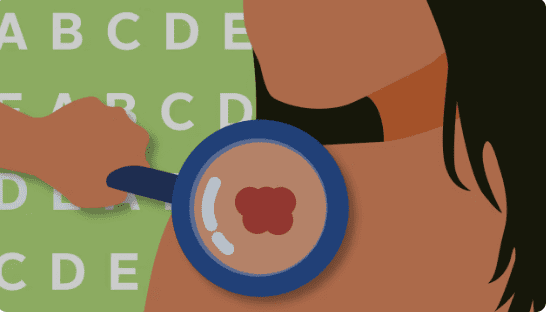
What are the skin changes you should not ignore? Skin cancer is the most common form of cancer in the United States. Knowing how to do a skin self-exam and what the warning signs are for melanoma are the key for decreasing risk. Follow these tips to increase your chances of spotting skin cancer early, when it’s most treatable.

How to perform a skin self-exam

Examine your body in a full-length mirror-Examine your body front and back in a mirror, then look at the right and left sides with your arms raised.

Look at your underarms, forearms, and palms-Bend your elbows and look carefully at your forearms, underarms, and palms.

Look at your legs, between toes, and soles of your feet-Look at the backs of your legs and feet, the spaces between your toes, and the soles of your feet.

Use a hand mirror to examine your neck and scalp-Examine the back of your neck and scalp with a hand mirror. Part your hair for a closer look at your scalp.

Use a hand mirror to check your back and buttocks-Finally, check your back and buttocks with a hand mirror.

If you notice any new spots on your skin, spots that are different from others, or spots that are changing, itching or bleeding, make an appointment to see a board-certified dermatologist.

Get your FREE SKIN CANCER SCREENING IN MAY with board certified dermatologist, Dr Kiracofe!

Remember the “ABCDE rule”

Note changes in moles or birthmarks that can be warning signs of melanoma, the deadliest form of skin cancer.

A-Asymmetry where one half looks different from the other

B-Borders of the mole that are irregular or not sharply demarcated

C-Color is varied from one area to another

D-Diameter over 6mm (the size of a pencil eraser)

E-Evolving or changing in size shape or color

Are you looking for High Quality health care with a board certified physician that you know and trust? Set up an initial complimentary consultation to learn more about how we always put patients first.

ABCs for burns.

2023-05-01T13:07:38+00:00May 1st, 2023|Direct Primary Care, Families, Family Medicine, Family Practice, Health Care, Public Health|

Burns Happen.

We all use things that are hot, flammable, or explosive and don’t think much about the risks… until we get burned.

Thermal burns are the ones we all think of…. Touching a hot iron for example. These are obvious hazards, but there are more severe burns you might not think of often.

Chemical burns are not as rare as you might think. One of my patients had some batteries explode in her pocket and burn her skin. She called and was directed to immediately irrigate with water.

Today we will go through the ABCs of burns and what to do if you have a burn.

Bottom line: Burns happen and there are steps that need to be taken immediately to improve the odds for successful healing.

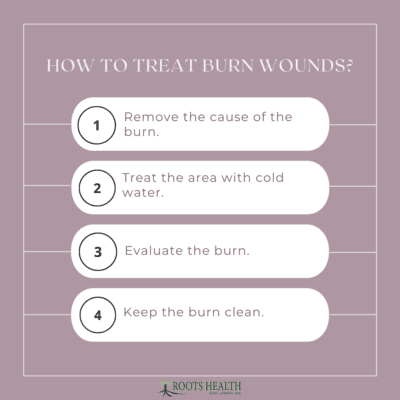
What is the Basic Care for Burns?

Treating burns early is actually the most important:

  1. Remove the cause of the burn.

Immediately remove the cause of the burn from the affected area. If there is grease or chemicals on your skin (or clothing that’s caught fire), you need to remove the continued source of the burn as quickly as possible.

For chemicals you may need to double check that nothing is continuing to cause damage. In the case of my patient, the battery got into her shoe and it was not noticed right away. It caused more damage to her foot than her thigh because it was not treated as quickly.

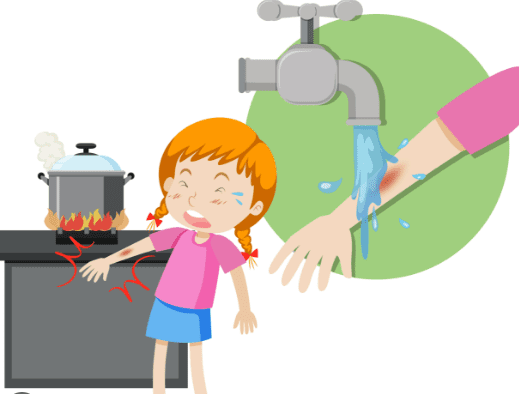
  1. Treat the area with cold water.

Leave any affected burn areas under cold water for 10 minutes. This time is essential in reducing the heat in the skin and stopping the burn’s progression. You may even want to irrigate with water for longer depending on the type of chemical burn and extent.

  1. Evaluate the burn.

After 10 minutes of treatment with cold water, assess the existing damage and plan for needed treatment. Call your physician for guidance. If you’re traveling to a medical facility, keep a cool compress on the area while you travel, if possible.

  1. Keep the burn clean.

Burns break down skin and often breed infections that can be severe. Removing debris that might contain bacteria and keeping the area clean is important.

When do I need to seek Immediate Medical Care?

In specific cases, you should seek professional treatment for a burn immediately.

Circumferential Burns

If a burn area stretches all the way around a body part — like your finger, wrist, or leg — you absolutely need to see a doctor for evaluation and treatment.

Large Burns

When it comes to wound care for burns, a rule of thumb is that you can estimate burn size by thinking of your palm as 1% of your body area, while your arm or leg is closer to 9%. Different percentages of burned skin require different levels of medical attention, but suffice it to say if you have burn on 10% of your body you need to seek medical attention immediately.

What are the Next Steps for Burn Management?

In addition to caring for the burn itself, you’ll also need to deal with other issues related to your injury. To give your body time to heal, you’ll need to address two variables:

  1. Infection: Your skin is your body’s main defense against infections. When you burn your skin, you’re literally burning away your number one infection defense mechanism. Keep the burn site clean to avoid complications.
  2. Pain management: Burn wounds are notoriously painful. Talk to your doctor about medication options for pain management.
  3. Wound care: Evaluation of severity and which layers of tissue are affected will determine treatment. Consult with your doctor and consider Silvadene, commonly used cream that has both antibacterial properties and can promote wound healing.

Wound Care for Burns: Final Thoughts

If you find yourself questioning whether you should seek medical attention for a burn, seek medical attention. One advantage of our direct primary care model is that patients have a direct line to their doctor they can use at any time. My battery burn patient was able to call me immediately after her injury, and I could assist her in real time as she texted me pictures of the burns. We saved her thousands in hospital bills and follow up care because we were able to manage her care immediately to prevent ongoing damage.

When the seconds matter, direct primary care can make all the difference.

YOUR TIME is valuable – Mondays with your MD

2023-03-15T13:38:23+00:00December 4th, 2022|Adults, Direct Primary Care, Families, Family Practice, Health Care, Membership|

YOUR TIME is the most valuable resource you have. Give yourself the gift of TIME.

You work hard to balance time between your career and your family. When one of your own has a health concern that “pops up” or just needs to be scheduled …. trying to figure out the how, where, and when to get the issue addressed can literally take hours, and even days, from your routine.

I get it. I’m a working mom and I know what it is like to balance work and family, to “carry” the mental load, and then…. to put “one more thing” on your plate. My job is to take that stress off your plate.

“My son has a sore throat and fever…. I have placed a call to his doctor’s office and am waiting for a call back….”

When you have medical concerns, the last thing you want is to pile on more stress. Let me help! My patients reach out to me, their physician, directly via text at any time of day. They get answers to the questions they have about their health immediately and can take the next steps and get back to their busy lives.

“My daughter cut open her foot. Do I take her to urgent care or ER and wait to be seen?”

No one has time to wait around for a return call from the doctor’s office for advice. You don’t have to sit in an urgent care with other contagious sick people waiting to be seen… then go back again the following week because you picked up a virus in the lobby while waiting. We take care of this without the wait!

“I am experiencing a constant feeling of being tired… but I just put off going to see the doctor because it is so hard to get an appointment and the visit takes up half my day.”

Let us make going to the doctor as easy as booking a time that works perfectly for your schedule. We even offer telemedicine so you can get care wherever you are. If you are visiting us, there is no waiting in a waiting room. Ever!

THIS IS NOT too good to be true!


Ditch the Healthcare Hassle. Give yourself the gift of Time!

Get all the health care needs for your family met with ease and grace. We know how valuable your time is and that is why we are making health care easy for families: one mom at a time.

Come and see how Direct Primary Care works….schedule a free initial consultation with us today and get all your questions answered.

YOU DESERVE BETTER CARE

Mondays with your MD – Not another respiratory virus…. It SNOT FUNNY!

2022-11-11T23:38:02+00:00November 11th, 2022|Families, Family Practice, Health Care, Public Health|

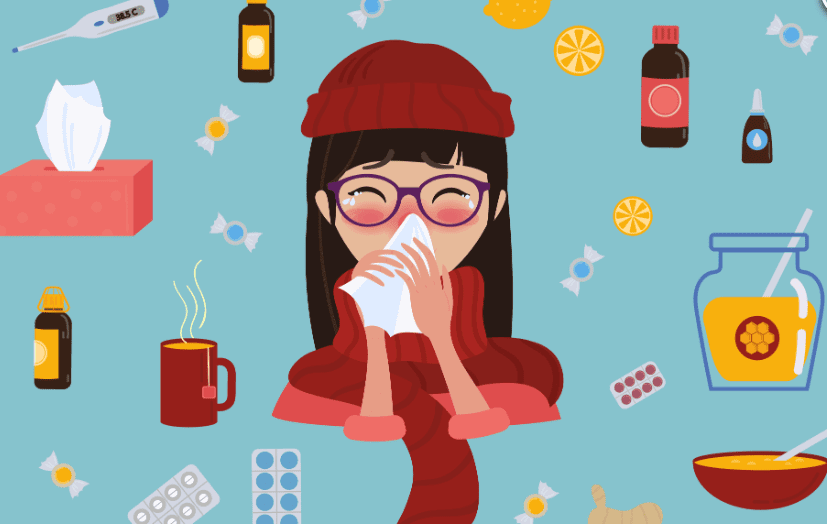
Winter is coming….. that means LOTS of colds/flu…. AND its WORSE than ever before ALREADY! This is the first fall with our masks off…. And all these infections are coming back out with a vengeance.

The kids are coming home from school and everyone needs more tests and notes to return to school and work than ever before. As a working parent…. I know your time is valuable… you need the highest quality and fastest care possible.

No one wants to go to an urgent care with a bunch of other sick people and pick up another virus to deal with in the home next week!

Its not a surprise that after the disappearance of COVID mitigation strategies and low population immunity, as kids have flocked back to classrooms and day cares, there is a huge upswing of respiratory viruses circulating. RSV, rhinovirus, flu, Covid… you name it. Children, on the whole, are more susceptible to these microbes then they have been in years.

Most of these viruses have been around forever and many have always posed a risk for infants/toddlers, patients with underlying respiratory diseases and immunocompromised folks. This year, flu, covid, and other commonly known respiratory viruses including RSV are on the rise to the highest levels seen in decades.

Ways to prepare for THIS cold and flu season…

Get your flu shot and COVID boosters NOW if you have not already.

Wash your hands and kids hands frequently. Use hand sanitizer to avoid germs

Avoid areas with other people with cough and cold symptoms

Breastfeed: it transfers immunity to babies to fight infections

Eat healthy with plenty of fresh fruits and vegetables.

Stay rested. Getting sleep helps your immune system stay strong

If you want to know the most effective upper respiratory infection treatments and learn how to navigate this winter to minimize the disruptions to your routine …… sign up for our FREE GUIDE to
“Best practices for the common cold, flu, and COVID”

Mondays with your MD – Back-to-school Health Tips

2022-08-22T19:59:16+00:00August 22nd, 2022|Families, Family Practice, Health Care, Public Health|

It’s that time of year again! Today we can review how to help children have a successful year.

Focus on Nutrition

Packing a healthy school lunch is key for giving your child a healthy energy boost during their school day.

High protein foods (yogurt, cheese, beans, hummus) with fresh vegetables and fruits are best.

Avoid empty calories added from sugars and solid fats.

Hydrate with water. Drink the number of 8oz cups daily equal to age. (5 cups for 5 year old)

Make Sleep a Priority

Most healthy children need EIGHT TO TEN HOURS of sleep each night

Put away electronic devices at least one hour before bedtime

Encourage children to read a book before bedtime

Eating a light healthy snack before bed can be beneficial, but avoid caffeine

Learning Styles and Behaviors

Now is a good time to schedule an annual exam with your doctor

Review any questions or concerns you may have about age-appropriate behavior, developmental milestones, and learning needs that can affect your child’s ability to learn in a classroom

Vision Screening is important. If your child is squinting, tilting head and holding handheld devices too closely are just some of the signs your child may have a vision problem.

Exercise: Get Active

School age children need 60 minutes or more of moderate-to-vigorous intensity physical activity each day

Encourage sports and outdoor activities after school

Walk or Bike to school

It is an exciting time with lots of changes to the routine. Parents play a key role in helping children make a successful transition.

Mondays with your MD – Monkeypox: Questions and Answers

2022-07-31T14:56:29+00:00July 31st, 2022|Adults, Families, Public Health, Urgent Care|

Monkeypox is caused by a virus that is usually not serious, though the rash is painful and can cause scarring.
Although a public health emergency, Monkeypox disease is not similar to COVID and no one should panic.

What is monkeypox?

Previously, monkeypox was known as a rare disease. It was first seen in humans in 1970 and caused by an infection with the monkeypox virus (a part of the same family of viruses as smallpox). The disease is milder than small pox symptoms and it is rarely fatal. Monkeypox is usually a self-limited disease that lasts 2-4 weeks.

What are the symptoms of Monkeypox?

  • Headaches
  • Muscle aches
  • Exhaustion
  • Fever
  • Sore throat, cough, congestion
  • Swollen lymph nodes
  • Rash

What does the rash look like?

The rash can be extremely itchy or painful and goes through different stages before forming a scab and healing. It can be located near genitals but also on hands feet and other parts of the body.

How does the virus spread?

  • Through close skin to skin contact
  • Contact with surfaces used by someone with monkeypox (shared towels for example).
  • Direct contact with rash or body fluids from someone with monkeypox.

How can I protect myself?

  • Limit contact by avoiding close skin to skin contact of persons with a rash.
  • Do not share utensils, plates, or cups with person who has monkeypox.
  • Do not handle bedding towels or cloths with person who has monkeypox.
  • Wash hands frequently.
  • The vaccine is limited and recommended for people who have been exposed to monkeypox.

Mondays with your MD – Urinary Tract Infections: Separating Fact from Fiction

2022-07-17T13:40:09+00:00July 17th, 2022|Adults, Families, Family Practice, Health Care, Urgent Care|

Urinary Tract Infections

Urinary tract infections, or UTIs, are extremely common, especially in women. Dealing with them is no fun and often requires frequent trips to the bathroom, pain when urinating, and soreness in the lower abdomen, back or sides. Many turn to at-home remedies to tackle discomfort or try to change risky behaviors to avoid a repeat infection.

Unfortunately, there are plenty of myths out there about UTIs that can make recognizing the causes and finding effective relief difficult.

Separating Fact From Fiction

Myth #1: Taking AZO for my UTI is “Good Enough”

Although AZO may provide symptomatic relief, it can often mask underlying symptoms and delay seeking appropriate medical care.  In addition, it can cause discoloration of urine making the infection more difficult to detect on examination.

Myth #2: Tampons Cause UTIs

Some women think tampons make them more prone to developing UTIs since tampons are placed inside the body, while other feminine hygiene products are kept outside of the body. However, tampon use may be even more effective at preventing UTIs than pads. Tampons can keep the area dryer, leaving less of a chance for bacteria to flourish and cutting down on the risk of infection.

Myth #3: Cranberry Juice Will Cure My UTI

The cranberry juice cure is one of the most commonly believed myths about treating UTIs. However, don’t for a minute think that a bottle of cranberry juice can replace a visit to your doctor or proper medication. It turns out cranberry juice isn’t nearly as effective as many people think.

Though some studies have demonstrated potential ability to prevent (not treat) symptomatic UTIs, there isn’t sufficient data to support routinely recommending it.

Myth #4: Only Women Get UTIs

Women definitely get UTIs more often than men. This is because the urethra, the duct that carries urine out of the body, is shorter in women, allowing bacteria to more easily reach the bladder. However, this is still a myth, as men can and do get UTIs. UTIs are more common in men who have not been circumcised and suffer from other medical issues including incontinence, prostate cancer or urinary tract stones.

Myth #5: Sex Causes UTIs

This one is both a myth and a fact. The real myth lies in the belief that only sexually active women get UTIs. Sex can definitely play a role, though, as bacteria near the vagina can inadvertently get into the urethra during sexual contact. Urinating after sex is CRUCIAL because it will allow your body to flush out vaginal bacteria that tends to get pushed into the urethra during sex.

Does this mean that abstinence is a sure-fire way to protect yourself from UTIs? Think again. In fact, women are most at risk for getting UTIs while pregnant or experiencing menopause or perimenopause. This is due to the change of hormones in the urinary tract during these times.

Talk to your doctor about UTI symptoms and appropriate treatment.

No waiting. Healthcare delivered when you need it.
Go to Top