

About guest_editor

This author has not yet filled in any details.
So far guest_editor has created 141 blog entries.

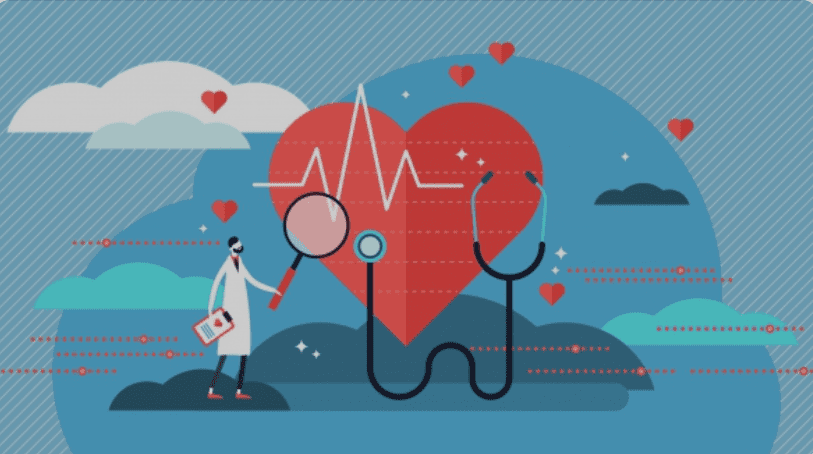
Preventing heart disease is better than curing it.

2023-04-24T13:49:17+00:00April 24th, 2023|Adults, Direct Primary Care, Family Medicine, Family Practice, Health Care, Uncategorized|

Heart Disease: An ounce of prevention is worth a pound of cure.

Heart Disease is the number one killer for women…. knowing your risk is half the battle.

Are YOU at RISK? Use this FREE CALCULATOR

Heart disease is often preventable for women. The following lifestyle changes help lower risk and protect your heart.

Maintain a healthy weight

Being overweight can raise your blood pressure, cholesterol, and increase risk for diabetes.

Losing 5% to 10% of your body weight can lower blood pressure, cholesterol, and the risk of developing diabetes.

Quit smoking

Smokers have more than twice the risk for heart attack than do nonsmokers. The risk for blood clots also increases, which can cause stroke.

Get Active

Strive for regular moderate to high intensity physical activity. This can be done in 30 minute chunks, 5 days a week. Aerobic exercise reduces your risk of heart disease.

Change your fats

Change the fats in your diet. Avoid saturated fats. Substitute olive oil for butter. All fats are high in calories so use them sparingly to avoid weight gain.

Also limit the following:

• Full-fat dairy products

• Fatty meats

• Partially hydrogenated vegetable oils

• Convenience or other prepared foods high in fat

Eat fruits and veggies

Eat plenty of produce. We recommned eating at least 3 cups of vegetables and 2 cups of fruits daily, depending on your calorie needs. Diets high in fruits and vegetables are linked to lower blood pressure and a reduced risk for heart disease.

Fiber up

Soluble fiber helps reduce cholesterol. Oatmeal, whole-grain bread, and other whole-grain foods are excellent sources of this nutrient.

Drink alcohol only in moderation

Women should limit alcohol to no more than 1 drink per day. That’s equivalent to 12 ounces of beer, 4 to 5 ounces of wine, or 1.5 ounces of 80-proof spirits.

Seeking a physician who can provide ample time for discussing all options? Contact us today as we are enrolling a limited number of new patients.

Strategies for Overcoming Heart Disease

2023-04-17T14:15:19+00:00April 17th, 2023|Adults, Family Practice, Health Care, Public Health, Uncategorized|

A Woman’s Guide to Beating Heart Disease

Few women think heart disease is their greatest health threat. That thought could not be further from the truth. Unfortunately, it’s the nation’s number one killer, and women are its prime target. Over one-third of the women who die in the U.S. each year die of heart disease. In fact, more women die of heart disease each year than breast cancer.

The risk of heart attack and stroke increases with age. Women can start protecting themselves early to avoid heart disease.

Knowing your risk

Things that put women at risk include:

• Being postmenopausal

• Having had a hysterectomy

• History of or currently using birth control pills

• Being pregnant and having complications including diabetes or pre-eclampsia

Credit to: My Happy Doctor

Join us at the Community Health and Wellness Fair Sunday April 23, 2023, in Oak Park, where Roots Health DPC will be providing free screening for heart disease.

The following things put both women and men at risk for developing heart disease:

• Personal history of heart disease or stroke

• Age over 55

• Family history of heart disease

• High blood pressure

• High cholesterol

• Diabetes

• Past or current smoker

• Getting little or no exercise

• Obesity

• High-stress life

Knowing risk factors is half the battle towards beating heart disease. You can lower your risk of heart disease through preventative measures. Keep an eye open for our blog on prevention next week where we will do a deep dive on how to prevent heart disease.

Are you looking for a physician who has time to discuss all your options with you? We are enrolling a limited number of new patients and would love to hear from you today.

debunking Myths about Heart Health

2023-04-10T13:46:57+00:00April 10th, 2023|Uncategorized|

Debunking Myths: Women and Heart Health

Myth: Heart disease is a man’s disease

Fact: Heart disease is kills more women than men.  Heart disease is the cause of one out of every three deaths and is the leading cause of death for women.

Myth: Heart disease only happens to older women

Fact: Heart disease affects women of all ages. For younger women, the combination of birth control pills and smoking increases heart disease risks by 20 percent.

Myth: If women are fit they are not at risk

Fact: The risk for heart disease is not eliminated if you exercise regularly. Factors like cholesterol, eating habits, high blood pressure, diabetes, and smoking directly affect risk.

Myth: Heart disease always has symptoms

Fact: The majority of women who die suddenly of coronary heart disease had no previous symptoms. Symptoms vary greatly between men and women. Women are often underdiagnosed or undertreated which can lead to higher mortality rates.

Myth: If heart disease runs in my family, I can’t do anything about it

Fact: Women with a family history of heart disease are at higher risk, but there’s tons that can be done to dramatically reduce risk. Women should discuss their personal risk factors with their healthcare provider and undergo regular screenings for blood pressure, cholesterol, and other heart disease risk factors.

At Roots Health DPC we know how frustrating the health care experience is today. That’s why we are 100% committed to making it simple and easy for you and your family. Schedule a complimentary consultation with Dr. Diaz today.

What is Direct Primary Care?

2023-04-03T14:53:44+00:00April 3rd, 2023|Direct Primary Care, Health Care, Membership|

Direct Primary Care. What is it?

I already pay a ton for health insurance…. aren’t those services covered?

Most of us know that trying to use our health insurance is a painful process.  In general, we find it impossible to get the care we need without creating a massive headache.   In the end, we spend additional time and money trying to get the “care” that our insurance “covers.”  We are all familiar with the hassle typically experienced when trying to get an appointment or speak to a doctor.  Often, we end up with end up coming out-of-pocket for our copays and deductibles… sometimes paying hundreds or thousands of dollars annually.  These expenses are paid in addition to our already high-priced monthly premiums that take a large chunk of our income every paycheck. Sometimes we avoid seeking healthcare altogether because it is such a hassle.

You may have already even tried to solve for some of the health care hassle by changing to a lower cost plan or choosing a different provider who is supposed to be “better.”  But even when you really need health care… you might still consider “waiting it out” because the hassle of dealing with a health issue is harder than not dealing with it.

Direct Primary Care (DPC) is changing everything about your health care experience as you know it.

DPC offers a solution that saves you both time and money. You can now easily access the health care you need in a timely manner that his hassle-free without long waits or surprise bills.

DPC provides transparent pricing with a low monthly membership fee. There are no copays. There are no out-of-pocket dollars spent to meet your deductible. For example, if you end up needing to need an MRI, labs, medications, or an urgent care visit… the savings on these services alone often cover the entire cost of your membership for a year. The cost-savings in DPC do not even begin to touch the tremendous value of the superior care provided and the amount of time and hassle saved for patients.

Our patients do not avoid seeking care. They know they deserve to have easy access to their doctor especially when they are sick. We make it easy for them to reach us directly. No waiting.

We do not believe in automated messaging systems, sitting for hours waiting to be seen, or waiting for days to get a call back from your doctor.

It’s simple. We do what’s right for our patients. Every. Single. Time.

If this sounds like the kind of health care you think you deserve…. set up a free meet and greet to see how DPC will work for you.


Avoiding care because it’s a hassle, spending an inordinate amount of time trying to get the care you need, and receiving bills you were not expecting after your care has been provided are the status quo for the health care experience. Can you really afford not to try something different?

Is Hormone Therapy safe?

2023-03-27T14:22:32+00:00March 23rd, 2023|Adults, Direct Primary Care, Family Medicine, Health Care, Uncategorized|

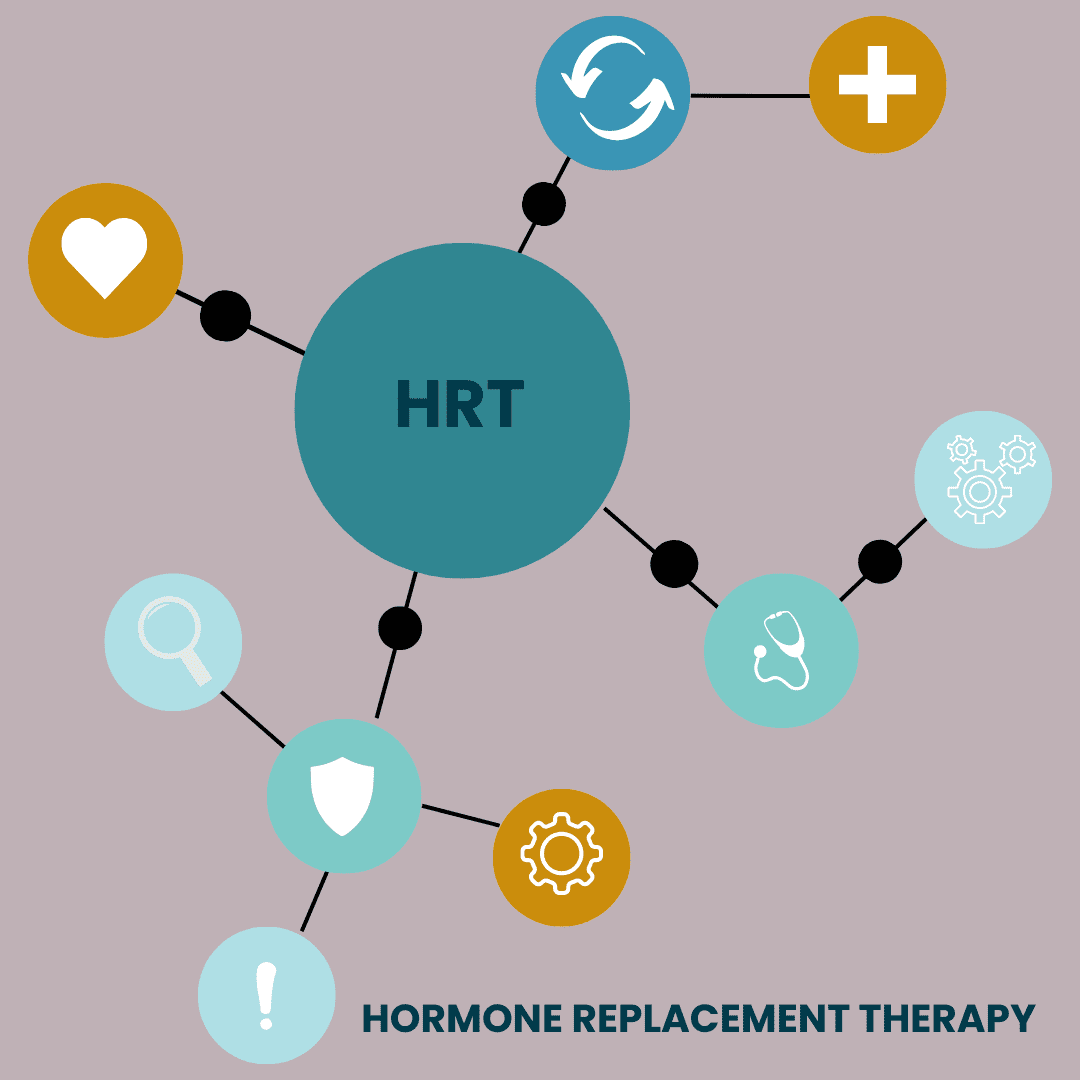
What’s the deal with Hormone Therapy? Is it safe?

After the Women’s Health Initiative study done in the early 2000s that demonstrated an increased risk of cardiac events, strokes, blood clots and breast cancer was terminated early, many believed HRT to have more risk than benefit. The number of women taking HRT dropped from 20% to 5% nationwide. One of the flaws in the study was that the women enrolled were over 60y old. For women 50-59years these risks are slightly increased but no where near as drastic as the original study.

The answer to safety is not an “all or none” proposition. HRT is not “good’ or “bad.” As with any treatment, the benefits and risks must be weighed for each individual woman. Remembering that menopause is a chapter in life and not forever helps. Discussing “how long” these symptoms will last or when and which ones warrant treatment is a conversation to have with your physician.

Hormone Replacement Therapy (HRT) is not a panacea for the changes that occur in menopause throughout the body. Often there are better medications to treat a lot of these specific changes. For example, it is not generally recommended to try to prevent osteoporosis with HRT. Additionally, we would not treat mood disorders that become unmasked during this transition period with HRT.

There are so many symptoms… which ones warrant consideration for HRT?

  • Severe vasomotor symptoms occurring every hour or two and disrupting daily life (not responsive to behavioral/lifestyle modification)
  • Vasomotor symptoms that are interfering with sleep
  • Vaginal atrophy or Urinary Dysfunction

Who might be a candidate for HRT?

  • In general, women who are less than 60 and less than 10 y from menopause.
  • Women without a history of heart disease, stroke, blood clots, or breast cancer.

Isn’t HRT just pills?

  • Not all HRT is created equally and there are numerous different modes of delivery for Estrogen.
  • Pills by mouth can decrease testerone affects on hair loss and acne, while patches have a lot less risk of blood clots and stroke than pills.
  • Vaginal symptoms alone are best treated with cream or rings that produces only local estrogen exposure.
  • All women with a uterus taking estrogen will need to get progesterone in pill form or as an IUD as well to decrease risk for endometrial cancer.

What about “bioidentical” hormones?

  • Bioidentical hormones just means they have the same molecular structure we produce naturally. Estrogen patches and prometrium are FDA approved bioidenticals that are prescription medications.
  • People often refer to compounded formulations as bioidentical hormones… with compounded formulations there is not a lot of safety data and no regulation.

At Roots Health DPC we use the NIH Breast Cancer Risk Assessment Tool (NCI) to assess risk for breast cancer. We assess for risk for cardiovascular disease as well when we discuss HRT treatment options so that patients can make informed decisions.

Not all HRT is equal and topical treatment options do not have the same systemic system side effects as pills and may be just as effective. A great resource for patients is NAMS (North American Menopause Society).

Are you looking for a physician who has time to discuss all your options with you? We are enrolling a limited number of new patients and would love to hear from you today.

What you need to know about HOT FLASHES

2023-03-20T13:54:27+00:00March 20th, 2023|Adults, Direct Primary Care, Health Care|

HOT FLASHES: What you need to know.

Hot flashes are the most common menopause-related symptom, affecting over 75% of women in midlife. Let’s discuss triggers, symptoms, and treatments. The most Frequently Asked Questions.

What is going on during a hot flash?

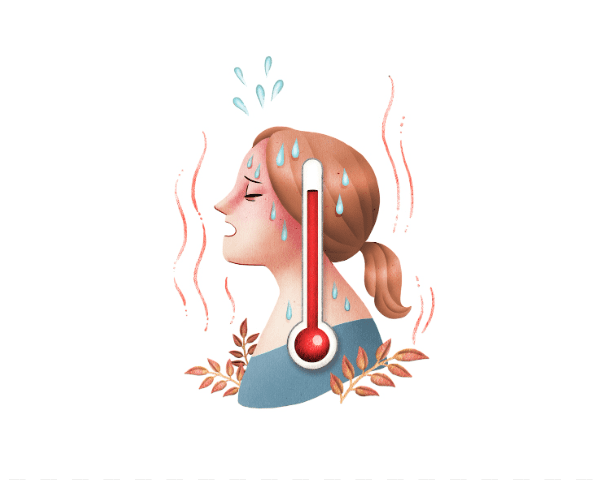
The small blood vessels near the skin surface are dilating, which causes heat release and flushing. So why does this even happen? As estrogen levels drop, changes in the hypothalamus in our brain cause dysfunction of the natural internal thermometer. The feeling of warmth results from inappropriate peripheral vasodilatation with increased blood flow to skin. Perspiration results in rapid heat loss and a decrease in core body temperature below normal. Shivering may then occur as a normal mechanism to restore the core temperature to normal.

What provokes hot flashes?

Hot flashes can last anywhere from 2-4 minutes and commonly occur related to these situations:

  • Drinking hot liquids (coffee, tea, hot water)
  • Drinking alcohol
  • Eating spicy foods
  • Taking a hot shower
  • When stressed, excited, anxious
  • When overly physically active
  • When overdressed or wearing tight-fitting clothes
  • As a side effect of some medications

It is important to know that hot flashes and/or night sweats can be indicative of other diseases (carcinoid, pheochromocytoma, POTS, certain cancers).

Does your doctor’s office feel like a place where you can talk about any symptoms you are experiencing and get answers to the questions you have? If you are searching for a physician that takes time to listen, Dr. Diaz is accepting a limited number of new patients at Roots Health DPC.

When to consider hormonal treatment.

In general, if the symptoms are happening every hour or two and interfering with your functioning or if the symptoms are interfering with sleep, we recommend speaking to your physician about hormonal options available.

Next week we take a deep dive into Hormone Replacement Therapy… the good, the bad, and the ugly.

If you appreciate the information and want to make sure you don’t miss our weekly newsletter… let us send it to your inbox… for free and for fun. Don’t miss another episode of “Mondays with your MD”

Hormonal Sleep Disruption

2023-03-13T16:06:39+00:00March 13th, 2023|Adults, Health Care, Uncategorized|

Hormonal Sleep Disruption

We know that restorative sleep is foundational for overall health by reducing internal inflammation, including cortisol levels and other stress-related hormones. Sleep improves cardiovascular and cognitive health as well as restoring our immune health to be better equipped to fight infection.

Unfortunately, for women transitioning into menopause, nearly half report sleep disturbance and approximately one third go on to develop chronic insomnia.

For many, there can be an overlap of night sweats and hot flashes (vasomotor symptoms), mood disturbances, circadian rhythm disruption and other causes for sleep disturbance, taking on a myriad of manifestations. Quite often it is marked by difficulties falling sleep, restless sleep, or wakefulness throughout the night.

Estrogen influences the brain activating serotonin, norepinephrine, and dopamine neurotransmitters pathways within the brain. As estrogen decreases, these neurotransmitter pathways can be disrupted, affecting many components responsible for initiating and promoting restful sleep, as well as regulation of internal temperature (think hot flashes and night sweats).

In addition to hormonal changes, general life stress, underlying mood disturbances like depression and anxiety, primary sleep disturbances (sleep disordered breathing and restless legs syndrome) and other conditions can further erode sleep quality. The effect of hormonal changes can compound and significantly worsen each condition.

The factors leading to insomnia are complex, but a good night’s sleep is still within reach! There are many options for treatment. I recommend collaborating with your physician for restful and restorative sleep again. Are you looking for a physician who “gets it” and empowers you to make decisions that work for your health?

Tips for Improved Sleep During Perimenopause

Even though not directly implicated in hormonal sleep disturbance, general sleep hygiene is always recommended.

AVOID “screen time” for 60 to 90 minutes before bedtime

• Consider using an orange light bulb in the bedside lamp so that you can read without inhibiting melatonin

• AVOID alcohol

• Exercising at least 2 hours before bedtime

• Keep your room cool

Women with vasomotor symptoms (hot flashes and night sweats) that interrupt sleep may be candidates for hormone replacement therapy. Isoflavens (soy), omega-3 fatty acid supplements and other non-hormonal medications are also options.

Hormonal changes in perimenopause can bring out mental health disorders that are linked to poor sleep. Sometimes it can unearth serious underlying mental health conditions like depression, anxiety and PTSD. Some women have mood disturbances that respond to medications that affect neurotransmitters like SSRIs (escitalopram/Lexapro or sertraline/Zoloft), SNRIs (venlafaxine/Effexor) or dopaminergics (bupropion/Wellbutrin). With seasonal symptoms, light box therapy can be beneficial as can exposure to natural light throughout the day.

Consider an evaluation for sleep-disordered breathing syndromes (like sleep apnea) which may present in women more as fatigue and decreased cognition (and not necessarily snoring which may present more commonly in men).

General stress management techniques like mindfulness-based stress reduction, meditation, yoga, and deep breathing exercises may be helpful.

Sleep is key to our health and well-being. The factors that determine your ability to get a good night’s rest are complex and unique to your body. With the right approach, you can have restorative sleep again. Want to learn more about peri-menopause, symptoms, and treatment options? Let us send you our weekly newsletter for free.

Reinvention and Menopause

2023-03-06T15:09:26+00:00March 6th, 2023|Adults, Health Care, Uncategorized|

Reinvention and Menopause: A Weighty Subject.

Perimenopausal symptoms can vary greatly and last for just months or several years. Every woman is different, but the menopausal symptoms are interconnected and directly influence one another. Women often find that what has worked in the past, will no longer work in the future… and so it may be beneficial to look at this as a time of “reinvention” of both body and spirit. It is a great time to use the wisdom accumulated over the years to adapt at navigating the many changes that come during mid-life. Perimenopause is the physical “change” that mirrors a reflection in time when women find themselves transitioning in many aspects of their lives including career change, children becoming independent, caring for aging parents, and new illness for themselves or their spouse. Women may have put the needs of others in front of their own for decades and now find that pivoting to self-care and creating a supportive system is imperative to their own success.

Weight gain is something that comes up A LOT and being overweight does have inherent health risk.

I often hear women say, “I haven’t changed anything, and I’m gaining weight.” Seemingly overnight, a diet and exercise routine that’s helped you maintain a healthy weight for most of your adult life isn’t working the way it once did. The rules of your body have changed. In perimenopause, maintaining your usual weight can become more difficult. In fact, many women gain weight around the menopause transition. Menopause weight gain is not inevitable, however. Importantly, weight gain can increase risks to your health and should not be ignored.

Enjoy learning about health and wellness? Let us make it easy. Sign up for our weekly newsletter “Mondays with your MD” for FREE

What causes menopause weight gain?

The hormonal changes of menopause can make you more likely to gain weight around your abdomen than around your hips and thighs. Hormonal changes alone are not the sole culprit of menopause weight gain. Weight gain is often tied to aging, lifestyle, and genetic factors.

For example, muscle mass typically diminishes with age, while fat increases. Losing muscle mass slows the rate at which your body uses calories (metabolism). This can make it more challenging to maintain a healthy weight. If you continue to eat as you always have and don’t build muscle mass or increase activity level… you’re likely to gain weight.

How risky is weight gain after menopause?

There are risks associated with excess weight, especially in the midsection, increases risks of DM, high blood pressure as well as heart disease and both breast and endometrial cancer. You can reverse course by paying attention to healthy-eating habits and leading an active lifestyle.

What’s the best way to prevent weight gain after menopause?

There’s no magic pill. These lifestyle habits are more important as we get older and self-care becomes imperative to our success.

  • Exercise. Physical activity, including aerobic exercise and strength training, can help you shed excess pounds and maintain a healthy weight. As you gain muscle, your body burns calories more efficiently — which makes it easier to control your weight.For most healthy women at least 150 minutes a week or vigorous aerobic activity is recommended.In addition, strength training exercises are recommended at least twice a week.
  • Nutrition. To maintain your current weight — let alone lose excess pounds — you might need about 200 fewer calories a day less than you did before. To reduce calories without skimping on nutrition, pay attention to what you’re eating and drinking. Choose more fruits, vegetables and whole grains, particularly those that are less processed and contain more fiber. In general, a plant-based diet is healthier than other options. Legumes, nuts, soy, fish are good choices. Anti-inflammatory and antioxidant-rich foods are key. Drink more water daily.
  • Stress Management. Ensuring you have intentional time away from stressors and incorporate healthy coping techniques into daily habits.
  • Sleep and Mood. Sleep disturbances and mood disorders are critical to manage in the menopausal period and they directly influence weight gain. It is crucial to address these issues to ensure that you are getting adequate and restorative sleep and have the energy level required to create a healthy lifestyle.
  • Limit Alcohol Intake. Drinking alcohol can cause weight gain, interfere with sleep, and make menopause symptoms worse.

As women transition into menopause there is a dearth of resources and support available. This is in stark contrast to other stages of a woman’s life. There are a lot of resources and support for new moms, for example. Empowering women to make informed and educated decisions about their health in a space that is both collaborative and supportive is what we are passionate about at Roots Health DPC. Learn more about how we provide health care that is custom tailored to suit your health needs.

Menopause Symptoms

2023-02-27T14:47:33+00:00February 27th, 2023|Adults, Health Care, Uncategorized|

BEYOND HOT FLASHES: MENOPAUSE SYMPTOMS THAT MIGHT SURPRISE YOU

We have all heard about hot flashes and night sweats, but there are more varied and intrusive symptoms that you may not realize are related to perimenopause. Did you know that the fluctuating hormone levels associated with perimenopause and menopause can lead to joint aches, urinary tract infections, changes in your sense of taste, brain fog, and heart palpitations?

Many perimenopausal symptoms can be confused with more serious medical conditions. If you are experiencing any of these symptoms, it is important to speak with your doctor to rule out other causes. Once you and your doctor agree that menopause is the culprit… you can work collaboratively to manage symptoms so you feel your best.

Do you have enough time to get the answers to all of your questions at your visit? Are you looking for a doctor who spends the time listening and really knows what is going on? Does your physician collaborate with you to create a plan that works for you? At Roots Health DPC we believe that spending time with patients is the key to providing excellent medical care. Our visits are unrushed and unlimited. Dr. Diaz is available directly via text and phone to answer the questions that inevitably come up between visits. Schedule a complimentary consultation today.

Menstrual Changes

Classically menopause has been defined as NOT having a period for a year. But during the perimenopausal time, periods can be lighter or heavier and occur more frequently or less frequently than usual. It is important to exclude other causes for irregular periods such as thyroid abnormalities that may be contributing to the picture.

Night Sweats and Hot Flashes

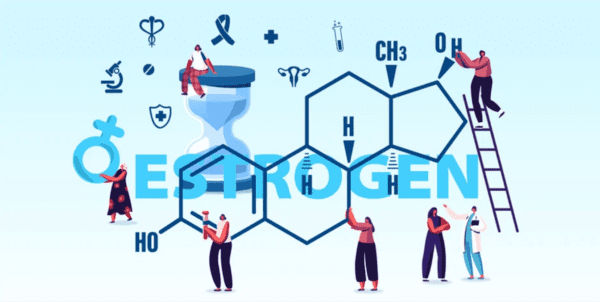
We all know that hot flashes and night sweats are typical perimenopausal symptoms. Estrogen reaches every organ of a woman’s body. Estrogen levels affect the brain and as they drop the thermoregulatory center that controls temperature (hypothalamus) is affected.

Body Image and Weight Gain

As estrogen levels drop, fat distribution begins to shift from the hips and thighs to the abdomen. Weight gain often occurs. During perimenopause, many women experience this increase in visceral fat along with a decrease in muscle mass which studies have shown raises the risk of developing heart disease and diabetes.

Sleep Disruption

Difficulty falling asleep or staying asleep are both common during the menopause transition. Fragmented or poor-quality sleep challenges many women during menopause. Chronic Sleep disruption can be alarming in it’s insidious nature and has many medical and psychological impacts.

Fatigue

Feeling fatigued or exhausted during menopause is common. This can be caused by fluctuating hormone levels, sleep disturbances, or a combination of both.

Sexual Concerns

Decreased estrogen levels leave vaginal tissue less elastic. The tissue becomes thinner and may tear, causing pain during intercourse. In addition, vaginal secretions lessen which means less lubrication. Women may experience decreased libido. This can be multifactorial and go beyond hormonal changes to include body image, stress and life changes, energy levels and a host of other factors.

Neurological Changes

Feeling unfocused and having difficulty concentrating, often called “brain fog,” is a common complaint during menopause. Sometimes brain fog is caused by the sleep disturbances or fatigue that can come with decreasing hormone levels. Estrogen supports memory function, so when it begins to decline, you may feel like you are less able to recall names and other facts.

Musculoskeletal Problems

Some experience body aches, muscle aches, and joint pain. Estrogen helps to reduce the body’s inflammation, and when it declines, joints have less of the natural lubrication that helps them move easily and without pain. Estrogen supports bone strength. Without enough estrogen your risk of osteoporosis increases. Preventing osteoporosis is key and good habits are important to cultivate.

Heart Palpitations

The feeling that your heart is racing, pounding, or fluttering is a sign of heart palpitations. Typical episodes that occur secondary to menopause are usually short lived and harmless and associated with hot flashes.

Changes In Skin, Nails, And Hair

Decreased elasticity in the skin is one of the effects of declining estrogen levels during menopause. Your skin may feel overly dry and more sensitive than usual. Less moisture affects fingernails and toenails. This can leave your nails feeling weak and brittle, and they may break or tear easily. Decreases in the amount of estrogen can also cause hair loss or thinning hair.

Taste Changes

Less moisture in the body affects saliva production. In addition to burning sensations or dry mouth, on occasion women experience changes in how food tastes during menopause. A metallic taste in the mouth can occur.

Urinary Dysfunction

Declining hormone levels can weaken the muscles in the pelvic floor. These muscles control bladder function. The result can be urinary incontinence and women can release urine without warning. Some women can develop urinary tract infections and benefit from treatment.

Education on this stage of life has been inadequate in general. We will discuss tools available to break down and manage these symptoms over the next few weeks. Women do not have to suffer these symptoms alone and they deserve the support of their physician to make informed decisions. Many symptoms can be improved with a combination of lifestyle changes, diet-modifications, and hormonal therapies when indicated. Don’t miss the next “Mondays with your MD”… let us send it you for FREE.

Pharmacy hidden fees

2023-02-27T03:45:36+00:00February 20th, 2023|Prescription Costs, Public Health, Uncategorized|

HIDDEN FEES AT THE PHARMACY. WHY IT MAY BE CHEAPER TO NOT TO USE YOUR INSURANCE.

I used my insurance for birth control pills and my copay was $50. The same medication is available for $11.65 when paid in cash. That’s a difference of $38.3. How can the price be so different?”

Most Americans have insurance that offers coverage on prescription drugs, but not all medications are covered. When your pharmacy collects a copay with your prescription, you can actually end up paying more for the drug than you would have paid in cash.

Why Is My Prescription More Expensive With Insurance?

Depending on your health insurance plan and policy, you may pay more for your medication if your plan requires you to pay a set copayment to the pharmacy for your medication. Regardless of the cost of your medication, you would be responsible for this copayment, but sometimes your copay could be more costly than the medication itself.

Most of us believe that a copayment on prescriptions assumes that the insurer and the patients share the costs of the drug. However, when a copayment exceeds the cost of the medication itself, the prescription benefit manager (PBM) keeps the difference as a profit. A common example would be when you pick up a standard antibiotic or blood pressure medication which cost $4 and your copay is $10.

How Insurance Prescription Coverage Works?

Prescription coverage varies by insurance plan and the list of prescription drugs covered in a health insurance plan is called a formulary. If the medication you have been prescribed is not on the plan’s formulary, you may have to pay for that prescription out-of-pocket.
The cost of your prescriptions may depend on how the costs are factored into your deductible and your actual cost of medication is not known until the prescription is sent to the pharmacy.

Another little-known secret driving up the price of your prescriptions is known as a copay “clawback.” These are prescription drug overpayments that occur when your copayments exceeds the total cost of the drug. The insurance company tells the pharmacy what to charge. The insurance company can overcharge the consumer, forcing the pharmacy to collect that amount, and then takes the extra money back as profit. This practice is carried out through a middleman, known know as a pharmacy benefit manager, or PBM. PBM’s negotiate drug prices with drug companies on behalf of your insurer. Some PBM’s then charge a co-pay that exceeds the cash price.

Nearly half of the insured individuals whose plan doesn’t cover their prescription end up not filling their prescription. Almost one-third of insured individuals across all income groups also said that they or someone in their household was told their insurance plan would not cover a drug prescribed by their doctor.


https://www.healthcaredive.com/news/pbm-practices-consumers-generics-savings-USC/624702/

We’re disrupting the status quo in health care. At Roots Health DPC we believe patients deserve easily accessible health care at an affordable price. We provide excellent medical care and make it easy for patients to get the medications and services they need. Schedule a free consultation with Dr Diaz today and find out how much you can save

How to Save Money on Prescriptions

Consider the following tips to optimize savings on your prescriptions:

1. Opt for the Generic Version

Opting for the generic version instead of the brand-name drug can offer huge savings. Generic medications are the same as brand-name drugs in dosage, safety, strength, route of administration quality, and intended use. The significant difference between brand name and generic is the cost. The price difference out-of-pocket comes down to the patent behind the brand name. Speak to your physician about what your options are.

2. Ask for a Different Medication

Your physician does not know which medications are on your formulary, but it is likely they are familiar with alternative drugs that are used to treat the same condition. If your prescription is not covered by your insurance and requires a hefty out-of-pocket cost, ask your physician what alternatives exist. At Roots Health DPC we help patients obtain medication at affordable prices.

3. Change Your Pharmacy

Surprisingly, the cost of your medication can vary depending on pharmacies. You can try GoodRx for your prescription if you have to pay out-of-pocket and consider changing pharmacies for a better price.

No waiting. Healthcare delivered when you need it.
Go to Top