

About guest_editor

This author has not yet filled in any details.
So far guest_editor has created 139 blog entries.

Atrial Fibrillation (AFib) Awareness Month

2025-09-15T11:43:13+00:00September 15th, 2025|Direct Primary Care, Health Care, Public Health|

September Is AFib Awareness Month: Know the Signs, Protect Your Heart

September is Atrial Fibrillation (AFib) Awareness Month, a time to shine a spotlight on one of the most common heart rhythm disorders. AFib affects millions of people, often without obvious symptoms, yet it can significantly increase your risk of stroke and other heart complications.

What Is AFib?

Atrial fibrillation is an irregular heartbeat. Instead of a steady, regular rhythm, the heart may beat too fast, too slow, or erratically. While some people notice palpitations, dizziness, or fatigue, others may have no symptoms at all—making regular screening especially important.

Common Signs and Symptoms

While AFib can be silent, watch for:
  • Irregular or rapid heartbeat
  • Palpitations (“fluttering” in the chest)
  • Shortness of breath
  • Fatigue or weakness
  • Lightheadedness or dizziness
  • Chest discomfort

If you experience any of these, it’s important to talk to your physician. Early detection can prevent serious complications, including stroke or heart failure.

Discover how Roots Health DPC supports lifelong heart health.


Why Screening Matters

AFib often goes undiagnosed until a serious event occurs. A simple heart rhythm evaluation—like an ECG or wearable heart monitor—can detect irregularities early. Knowing your risk and catching AFib early allows for effective management and treatment, keeping your heart healthier for the long term.

How Roots Health DPC Can Help

At Roots Health DPC, we take the time to:
  • Review your heart health and risk factors
  • Offer individualized screenings for AFib and other cardiac conditions
  • Create personalized plans to manage and reduce risk
  • Provide ongoing support so you never have to navigate your health alone

Take Action This September

Don’t wait for symptoms to disrupt your life. Early detection of AFib can make all the difference in preventing complications.

Get a heart rhythm check—protect your heart and peace of mind.

Unseen Summer Pests

2025-09-08T13:12:52+00:00September 8th, 2025|Families, Public Health|

Cicada Mites: My Unexpected Summer Surprise

Late summer in my garden should have been relaxing. I was enjoying the sunshine, tending to my plants, and listening to the soft hum of summer insects. But the next morning, I noticed itchy red bumps spreading across my arms. At first, I thought it might be an allergic reaction to something I touched—but soon I realized this itchy rash was from something different: cicada mites.

What Are Cicada Mites?

Cicada mites (Pyemotes herfsi) are tiny, nearly invisible pests that usually feed on cicada eggs and other insects. During cicada emergences, they can bite humans, causing intense itching and small, red, raised bumps. The effect can be similar to an allergic reaction localized.


Symptoms You Might Notice

Cicada mite bites/burrowing can cause:

  1. Intense itching—sometimes hours after exposure
  2. Red, raised bumps or welts, often on exposed skin
  3. Localized rash, commonly on the arms, neck, and upper torso
  4. Occasional secondary infection if bites are scratched repeatedly

For me, the itching was relentless and the lesions actually became “weepy.”

How I Managed It

I found relief through:

  • Topical steroid creams to calm inflammation
  • Oral antihistamines to control itching
  • Calamine lotion for soothing relief
  • COLD ice applied to soothe worked well

I also learned a few prevention tips to avoid future issues:

  • Avoid spending time near oak trees during peak cicada activity
  • Wear long sleeves and pants when gardening
  • Shower soon after outdoor activities to remove any mites on the skin

When to Seek Help

While cicada mite bites are usually harmless, severe reactions, widespread rashes, or persistent symptoms warrant a medical check-up. At Roots Health DPC, we provide personalized guidance to help you manage reactions, prevent complications, and get back to enjoying your summer.

Get relief and learn how to protect yourself.

HDL vs. LDL

2025-09-02T09:10:21+00:00September 2nd, 2025|Cholesterol, Public Health|

September Is National Cholesterol Education Month: What You Need to Know

When was the last time you checked your cholesterol? If it’s been a while—or if you’ve never known your numbers—September is the perfect time to start.

High cholesterol often has no symptoms, yet it plays a major role in heart disease, stroke, and other serious health conditions. The good news? By understanding your cholesterol levels and taking steps to manage them, you can significantly improve your long-term health.

What Is Cholesterol?

Cholesterol is a fatty substance that circulates in your blood. Not all cholesterol is the same:
  • LDL (Low-Density Lipoprotein): Often called “bad cholesterol” because high levels can build up in your arteries.
  • HDL (High-Density Lipoprotein): Known as “good cholesterol” because it helps clear LDL from the bloodstream.

The key is balance. Too much LDL or too little HDL increases your risk of heart problems.

Prevention starts here—see how DPC supports heart health.


Why It Matters

When cholesterol levels are off, plaque can build up in your arteries. Over time, this raises your risk of heart attack, stroke, and other cardiovascular diseases. Since high cholesterol doesn’t cause obvious symptoms, the only way to know your levels is through a blood test.

Why It Matters

When cholesterol levels are off, plaque can build up in your arteries. Over time, this raises your risk of heart attack, stroke, and other cardiovascular diseases. Since high cholesterol doesn’t cause obvious symptoms, the only way to know your levels is through a blood test.

How Roots Health DPC Can Help

Managing cholesterol isn’t one-size-fits-all. At Roots Health DPC, we provide:
  • Personalized Screenings – More than just a number, we look at your overall risk profile.
  • Custom Plans – Tailored lifestyle recommendations, nutrition guidance, and—if needed—medications or supplements.
  • Ongoing Support – Regular follow-ups to keep you on track and adjust your plan as your needs change.

Take Charge of Your Heart Health This Month

Don’t wait for a problem to appear—prevention is powerful. By checking your cholesterol now, you’re taking a proactive step toward protecting your heart for years to come.

Let’s work together to keep your heart strong and healthy.

Sleep Apnea

2025-08-25T22:30:50+00:00August 25th, 2025|Sleep|

Sleep Apnea: Don’t Ignore the Signs

Do you wake up tired, struggle to concentrate during the day, or battle frequent headaches? These could be more than signs of a busy lifestyle—they may be symptoms of sleep apnea.

Sleep apnea is one of the most common yet underdiagnosed sleep disorders. Left untreated, it can take a serious toll on your health, from chronic fatigue and mood changes to increased risks of heart disease, diabetes, and even stroke. Recognizing the symptoms early is the first step toward better health.

Common Symptoms of Sleep Apnea

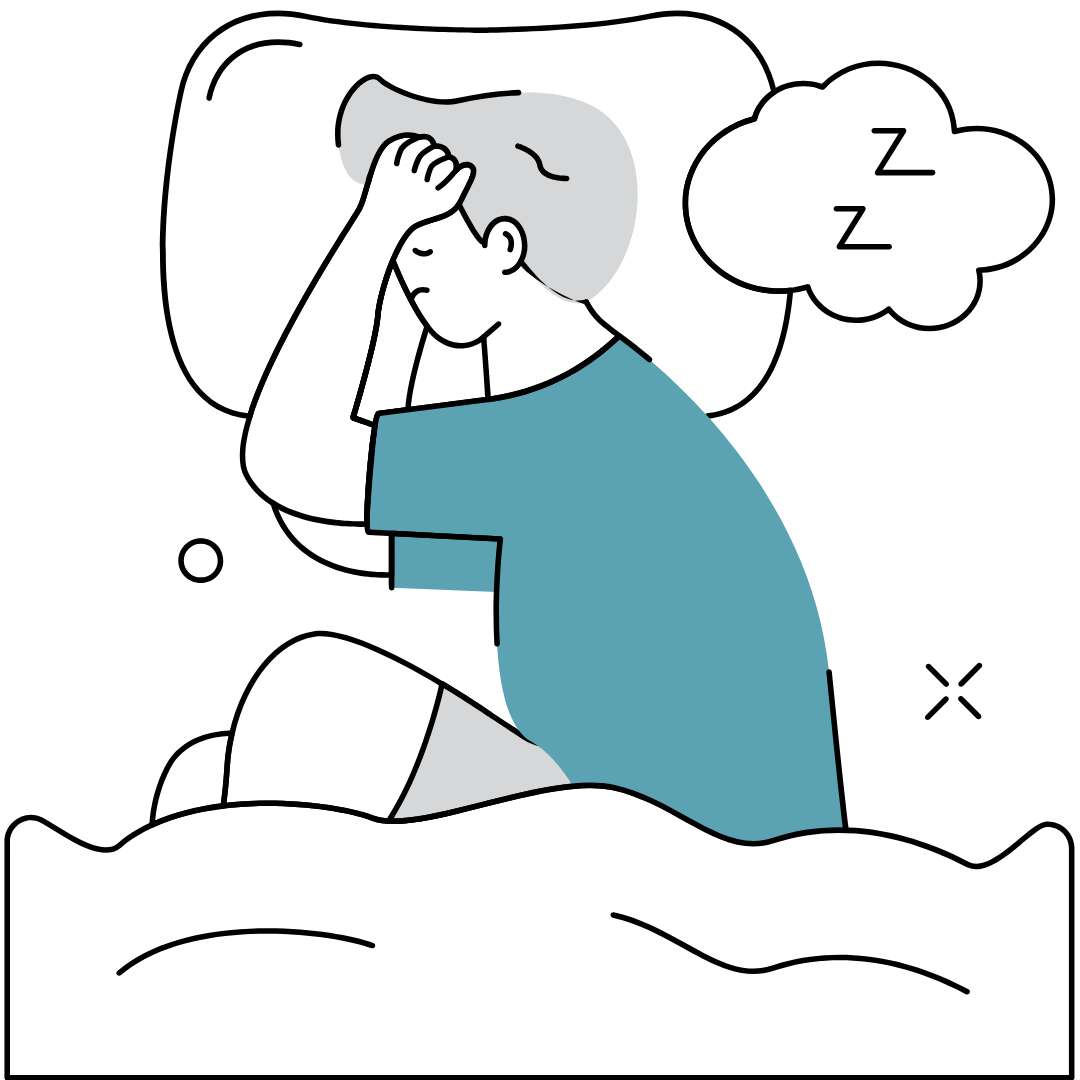
Snoring is the symptom most people associate with sleep apnea, but it’s far from the only one. Signs of obstructive sleep apnea (OSA) can include:

  • Loud snoring, often noticed by a partner
  • Daytime sleepiness or fatigue, no matter how much you sleep
  • Restless or fragmented sleep
  • Sudden awakenings with a choking or gasping feeling
  • Morning headaches
  • Trouble concentrating, forgetfulness, or irritability
  • Night sweats or frequent trips to the bathroom at night
  • Mood changes, sometimes mistaken for anxiety or depression
  • Sexual dysfunction

If several of these sound familiar, it’s worth talking to a doctor—because sleep apnea doesn’t get better on its own.

How is sleep apnea diagnosed?

The only way to know for sure is through a sleep study, which monitors your breathing and oxygen levels overnight. Your physician can help determine whether this is necessary and guide you through the process.

At Roots Health We get to the ROOT of the problem

Treatment Options

The good news: sleep apnea is treatable, and your plan can be tailored to your needs. Depending on the underlying cause, options may include:

  • Weight loss and lifestyle changes
  • Adjusting sleep position
  • Treating nasal or sinus issues
  • CPAP (continuous positive airway pressure) therapy
  • Dental devices that help keep the airway open
  • Surgery, in more severe cases

The right treatment can be life-changing—improving energy, mood, focus, and long-term health.

Don’t Overlook the Signs

Too often, people dismiss fatigue or poor sleep as “normal.” But if you’re struggling with any of the symptoms above, don’t wait. Early screening and treatment can prevent serious health problems down the road.

Schedule your free initial consultation today and take the first step toward better sleep and better health.

Take the first step toward better sleep and better health.

How DPC Works for Families

2025-08-19T13:29:09+00:00August 19th, 2025|Direct Primary Care, Families, Family Medicine, Health Care|

Concierge Care vs. Direct Primary Care:

What’s the Difference and Why DPC Is the Smarter Choice for Families

When it comes to primary care, many people are confused by the options. You may have heard terms like Concierge Medicine and Direct Primary Care (DPC) used interchangeably. But while they may sound similar, they are very different models of care—especially when it comes to cost, access, and who they’re really for.

If you’ve assumed DPC is just “concierge care by another name,” let’s set the record straight.

Not Just for the Wealthy: DPC Was Built for Everyday Families

Concierge care has often catered to the wealthy, with price tags to match—think $2,000+ annual fees on top of regular insurance costs.

At Roots Health DPC, we’ve taken a completely different approach: make high-quality, personalized primary care available and affordable for working families—whether you’re insured, underinsured, or not insured at all.

And it starts at prices that might surprise you:

  • Children: $36/month
  • Adults: $78/month

No copays. No surprise bills. No middlemen.


So What’s the Difference? Let’s Break It Down:

Here’s a quick look at how Direct Primary Care (DPC) stacks up against Concierge Medicine:

Feature

Direct Primary Care (DPC)

Concierge Care

Monthly Fee

Low and affordable ($36–$78)

High annual retainer ($2,000+)

Insurance Required

❌ No

✅ Yes

Copays or Deductibles

❌ None

✅ Often required

Visit Time with Doctor

30–60 minutes

30–60 minutes

Same/Next-Day Appointments

✅Yes ✅Yes

Direct Doctor Messaging/Access

✅Yes

✅Yes

Focus

Affordability + Access

Luxury + Convenience

Ideal For

Families, individuals, small business employees

Wealthy executives

Why Roots Health DPC Just Makes More Sense

  1. Predictable monthly pricing for your whole family
  2. Direct access to your physician via call, text, or video
  3. Unlimited visits, longer appointment times, and no rushed care
  4. Chronic care management without added costs
  5. Same-day appointments when your child wakes up with a fever

You shouldn’t need a platinum credit card to get platinum-level care. And with Roots Health DPC, you don’t.

Still Think DPC Sounds “Too Good to Be True”?

We get it—when something offers this much value, people assume there’s a catch. But this is healthcare reimagined: no gimmicks, no hidden fees, just smarter care designed to help your family thrive.

It’s time to stop settling for overbooked doctors and overpriced insurance plans. Experience a model that works for you—not against you.

Simplify your family’s healthcare—without the stress.

Start School Strong with DPC

2025-08-11T14:23:48+00:00August 11th, 2025|Direct Primary Care, Public Health|

Back to School,

the Easy Way:

DPC Families Start the Year Strong

Backpacks are getting dusted off. Lunchboxes are reappearing. And kids? They’re bouncing between excitement and nerves.

It’s that time again—back-to-school season, and for most families, it comes with a checklist a mile long:

📝 School physicals

🩹 Updated vaccinations

😷 Coughs, colds, and lingering summer sniffles

🧠 A mental wellness and Routines reset

At Roots Health DPC, we’re here to make that list a little less overwhelming—and a lot more convenient.

Discover a better, family-centered way to do healthcare.

Last week, one mom from the practice called about her 8-year-old son who had a rash that wouldn’t go away. She was worried it might be something serious, so we got him in quickly. During the visit, as we were wrapping up the exam, and she hesitated for a second and said:

“Oh, shoot—I still need to schedule his school physical!”

Here’s the beauty of Direct Primary Care: she didn’t have to.

We just added the school physical right then and there—no second appointment, no waiting weeks to be seen, no juggling another calendar slot. She left with peace of mind, a healthy kid. The school physical form was completed…. and that was one more thing crossed off her list.

This is the kind of care families need—especially during busy seasons.

With DPC, you get:

  • Same or next-day appointments
  • No rushed visits—we handle everything you need in one stop
  • Care that fits into your life, not the other way around

Whatvere your healthcare needs… a school physical, stitches, a mental health check-in before the school year starts, or you just want to text your doctor with a quick question — you’re in the right place.

We’re here to partner with you to make this school year the healthiest one yet.

Want to experience a better way to get care for your family?

Back to Routine

2025-08-04T13:00:21+00:00August 4th, 2025|Direct Primary Care, Family Medicine, Family Practice, Health Care|

How Are You Doing—Really?

I just got back from a break that stretched me in the best ways. My family and I traveled to two places I’d never been before: the Azores and Morocco. In the Azores, we saw limitless numbers of hydrangeas in bloom along the roadside and watched sperm whales in all their majestic splendor. We kept forging into new places and spent a night in the Moroccan desert—riding ATVS, eating under the stars, and meeting new people. An experience that made me feel at once small and at the same time very much alive.

It was magical. And unfamiliar. And fun.

But what really struck me was how good it felt to experience something new.

As a doctor, I often talk about the importance of healthy habits and steady routines. But here’s the other half of the story: our brains need change, too. New experiences help us grow, challenge old patterns, and create new neural connections. They wake us up.

Coming home has reminded me of how easy it is to fall back into the busy swirl of work, family, logistics, and caregiving.

So I want to gently ask you a question I’ve been asking myself: How are you doing—really?

Not just “holding it together.” But deep down. Are you fulfilled?

Do you sleep soundly? Do you feel rested, clear, and supported in your body and mind? Are you grateful for the life you are living?

If not—you’re not alone. And you don’t have to figure it out by yourself.

At Roots Health DPC, I offer personalized, direct primary care that’s centered around you. No rushed visits. No jumping through insurance hoops. Just thoughtful, comprehensive care built on real connection.

So if you’ve been putting yourself last—maybe this is the nudge to put yourself first again.

Book your complimentary consultation today.

Travel Smarter with DPC

2025-07-28T14:40:26+00:00July 28th, 2025|Direct Primary Care, Public Health|

Jet Lag, Germs & Global Travel: Why International Trips Can Hit Hard

(And How to Travel Smarter with DPC)

Ever notice how a “trip of a lifetime” abroad can leave you feeling… totally wrecked?

The jet lag is brutal. Your stomach’s off. You’re not sure if the coffee is helping or hurting. And somewhere between adjusting to local time and trying to avoid sunburned, you realize: traveling internationally is no joke for your body.

But most people think the only fix is to just “push through.”

That’s where I come in.

Your Body Has a Clock—And Travel Throws It Off

Every time you cross multiple time zones, your circadian rhythm gets disrupted. That’s the internal clock that governs everything from sleep and energy to digestion and mood. And when it’s off, your entire system has to scramble to recalibrate.

So how do we fix it faster?

🕶️ Light exposure – Morning light helps reset your internal clock to your new location. Get outside within the first hour of waking. Avoid bright screens at night to keep melatonin levels normal.

Caffeine – Yes, you can use it—but strategically. Use caffeine in the morning at your destination to stay alert. Skip it after 2 PM local time so you’re not sabotaging your sleep.

💊 Melatonin – This is your body’s “sleep cue.” I usually recommend 0.5 to 3 mg about 30 minutes before your new bedtime for a few nights once you arrive. It helps re-sync your rhythm without grogginess.

🛫 Start adjusting before you go – If possible, shift your bedtime and wake time 1–2 hours toward your destination’s time zone a few days before your trip.

Travel Healthy with a Doctor Who Supports YOU.

But Wait, What About the Other Kind of Travel Prep…

When patients tell me they’re traveling internationally, I always ask:

“Have you checked your destination’s vaccine and medication requirements yet?”

Cue blank stares.

Because let’s be honest, the CDC travel site is not user-friendly. It feels like you need a PhD in epidemiology just to figure out if you need a typhoid shot, malaria meds, or a yellow fever card.

The reality?

Getting it right matters.

You don’t want to realize at the airport that you needed proof of a vaccine—or worse, wind up in a remote area without the meds to prevent a totally avoidable illness.

DPC Makes Travel Simpler, Safer, and Smarter

When you’re in my practice, you don’t have to go it alone. Whether you’re heading to Italy or Indonesia, we walk through it together:

✅ I decode the CDC guidance for your destination

✅ We plan circadian rhythm strategies to fight jet lag

✅ You get the right vaccines, refills, and travel meds on time

✅ And you get peace of mind knowing your doctor travels with you (virtually, of course)

Travel-Ready Care Starts Before You Pack

Don’t wait until you’re already on a plane with the wrong meds and no plan for sleep.

We’re not full yet—but we’re getting close. If you’ve got international travel coming up, now’s the time to join the practice and prep like a pro.

Get travel-ready care without the guesswork

EXHAUSTION

2025-07-14T13:03:49+00:00July 14th, 2025|Families, Family Medicine, Health Care, Public Health|

Feeling Wiped Out?

3 Questions Reveal What Your Body’s Really Telling You

You’re not sleeping well.

Your energy crashes every afternoon.

You’re foggy, irritable, and tired—even after a weekend “off.”

It’s easy to blame it on burnout, the kids’ summer schedule, or just “getting older.”

But let me be clear: chronic exhaustion isn’t something you just have to live with.

The truth is, when someone tells me they’re feeling wiped out, I don’t assume it’s just stress or overdoing it. I start asking root-cause questions—the kind that reveal what your body’s really trying to say.

Question 1: Is This Physical, Hormonal, or Emotional Fatigue?

Fatigue is a signal—but the source isn’t always obvious. Here’s what we need to rule out first:

🔬 Anemia – Especially in menstruating women or those with low iron stores. Even “mild” anemia can cause crushing fatigue.

🧠 Thyroid dysfunction – Low thyroid hormone can mimic depression and zap your energy, focus, and mood.

😴 Sleep apnea – If you’re waking up tired after a “full night’s sleep,” this is one to investigate—especially if you snore or feel sluggish midday.

⚖️ Perimenopause/menopause – Hormone shifts can cause brain fog, insomnia, mood swings, and extreme fatigue that feel totally disorienting.

💭 Depression or high-functioning burnout – Many women push through for months before realizing their low energy and motivation aren’t “normal.”

All of these issues present with similar symptoms—but require very different treatment plans. And that’s why a quick “you’re just stressed” from a rushed visit won’t cut it.

You’re not lazy. You need answers—and we’re here to help.

Question 2: What Does True Rest Look Like For You?

Spoiler alert: zoning out on the couch or scrolling your phone isn’t real rest.

Your body needs restorative inputs, not just time off. In my practice, we often talk about the difference between:

🧘‍♀️ Restorative rest – sleep hygiene, nervous system regulation, quiet time

🍷 Escapism – wine, screens, or numbing out when you feel overwhelmed

🧩 Alignment – the activities that actually recharge you, not drain you

Sometimes fatigue isn’t about illness—it’s about disconnection from what your body and brain actually need to recover.

Question 3: What Patterns Are Emerging?

One of the best things about Direct Primary Care? I know my patients’ stories.

When you’re in my care, we’re not starting from scratch every visit. I track your labs over time, notice your stress triggers, and look for patterns—seasonal dips, hormone cycles, major life transitions. It’s how we catch issues early before they escalate into burnout, hormone imbalance, or chronic illness.

Energy Isn’t Just About Willpower

You’re not lazy or “making it up” and you don’t need to “just push through.”

You might need a custom iron plan. Or a thyroid adjustment. Or help navigating perimenopause. Or a deeper look into sleep quality.

The point is: your body has a reason—and you deserve a doctor who takes the time to help you find it.

The Kind of Care Our Members Get Daily

At my DPC practice, you’re not a chart or a checklist. You’re a whole person and the relationship between physician and patient is front and center. When your energy is low, we listen. We test. We uncover. We treat at the root cause.

We get to the bottom of your symptoms.

The DPC difference

2025-07-07T14:46:57+00:00July 7th, 2025|Direct Primary Care, Health Care|

We Didn’t Go to the ER—Because We Didn’t Have To.

(And That’s the DPC Difference.)

Last month, one of my DPC families had a moment—you know the kind. It was early evening, the toddler had a fever and a weird rash, and mom was doing mental gymnastics trying to decide:

  • ER (ugh, the cost)?
  • Urgent care (are they even open)?
  • Wait it out (but what if it’s something serious)?

This family had been burnt by rushed visits and medical bills that felt like a second rent payment. But this time it was different—because they’re part of our DPC practice.

Instead of panicking or packing snacks for an all-nighter in the ER, mom pulled out her phone and sent me a picture of the rash.

We hopped on a quick video call. I asked a few key questions, gave her clear guidance, and followed up the next day to make sure things were improving.

Spoiler alert: The fever broke, the rash faded, and they never left the house.

A video call and a plan—instead of panic.


Why DPC Changes the Equation

It’s not just about convenience (though yes, texting your doctor in pajamas is pretty great). It’s about access—to medical advice that’s timely, clear, and from someone who knows your child and your values.

When you’re part of a DPC practice, your care isn’t bound by appointment slots or billing codes. It’s a relationship. And when something feels urgent—even if it’s not an emergency—you don’t have to figure it out alone.

You don’t have to Google.

You don’t have to guess.

You don’t have to go to the ER “just in case.”

You can just… text your doctor.

Real Care. Real Time. No Rushed Decisions.

This family spent the rest of their night watching Encanto and snuggling, not sitting under fluorescent hospital lights.

DPC gives you—freedom from panic, from surprise bills, and from care that feels cold or disconnected.

We’re Filling Fast—

If you’ve ever second-guessed whether your kid’s symptoms were “bad enough” to call someone, you’re not alone. But there’s a better way.

No waiting. Healthcare delivered when you need it.
Go to Top